How a custom-fitted night guard is made: the full process
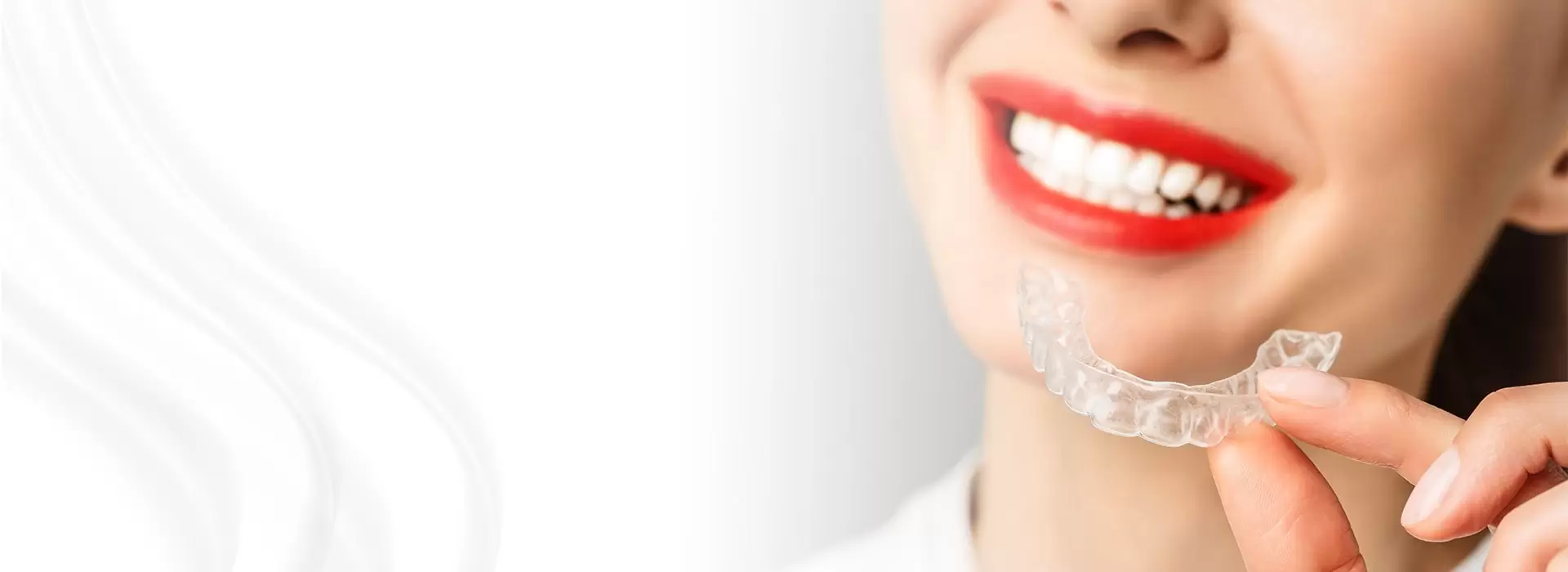
Many people who grind their teeth at night wake up with a sore jaw, pounding headaches, or thin, chipped enamel and don't realise that a small acrylic appliance could quietly solve the problem. A custom-fitted night guard, sometimes called an occlusal splint, bite guard, or sleep guard, sits over either the upper or lower arch and absorbs the heavy forces of clenching while you sleep.
Unlike the bulky, one-size-fits-all mouth guards sold at the chemist, a professionally made dental guard is shaped precisely from your own teeth. If you're in Sydney, Melbourne, Brisbane, Perth or anywhere else across Australia and you've been told you clench in your sleep, here's what the journey actually looks like from first appointment to final fit.
Why a custom fit matters over off-the-shelf options
Cheap, boil-and-bite mouth guards you grab at the pharmacy can actually make things worse. They often feel thick, can fall out during the night, and may even alter your bite in ways that aggravate jaw pain. A dentist-made occlusal guard, on the other hand, is milled or pressed from a model of your actual teeth, so it seats snugly without you having to bite down to keep it in place.
For Australians paying anywhere from a few hundred to over a thousand dollars for a guard through their private extras cover, the investment only makes sense if the appliance actually protects the teeth rather than shifting them. TGA-approved acrylics and medical-grade materials also last far longer than the soft plastic of a sports shop guard, often surviving several years of nightly use before needing replacement.
The first appointment and clinical assessment
Your journey starts with a proper examination, not just a quick mould. The dentist will look at your bite, check for signs of wear on the enamel, feel the muscles around your jaw, and ask about symptoms such as morning headaches, tooth sensitivity, or a partner complaining about the clicking noise at night. In Australia, this first consultation is usually billed separately from the lab work and may attract a rebate from insurers like Bupa, Medibank or HCF if you hold extras cover.
You'll also discuss which arch the guard should sit on. Most practitioners favour an upper night guard because it tends to stay in place better, but a lower splint works just as well for some bites, particularly if you have a strong gag reflex or find upper plates uncomfortable. The choice is rarely arbitrary; it comes down to which option will give you the most stable, relaxed jaw position overnight.
Taking impressions or digital scans of your teeth
Once the plan is agreed, the next step is capturing the exact shape of your teeth. Traditional clinics still use alginate or silicone putty in trays, which sets in a couple of minutes and tastes, frankly, a bit like wallpaper paste. Most Australian clinics have now moved to intraoral scanners, a small wand that sweeps over your teeth and builds a 3D model on a screen in real time.
Either method produces an accurate record of your arches, which is then sent to a dental laboratory. If your local practice is in Parramatta, Fortitude Valley, Adelaide's CBD or anywhere in between, the lab is usually off-site, sometimes interstate, and the turnaround ranges from a few days to a couple of weeks depending on workload and shipping.
The lab stage: designing your occlusal splint
At the lab, a technician pours the impression into stone or loads the digital file into CAD software, then designs the appliance. For a hard acrylic splint, the model is used to press a sheet of clear PMMA under heat and vacuum. For a dual-laminate guard, a soft inner layer is bonded to a hard outer shell for comfort against the gums combined with durability on the biting surface.
The technician also adjusts the bite surface so that when you clench, your jaw muscles can settle into a neutral position rather than locking into your grinding pattern. This step is what separates a true occlusal splint from a flat, protective mouth guard. It is also where Australian regulations around custom medical devices matter; the lab should fabricate under prescription from a registered practitioner and use materials cleared by the Therapeutic Goods Administration.
The fitting visit and adjustments
When the finished guard arrives back at the clinic, you'll come in for a fitting. The dentist will seat it over your teeth, check the edges with articulating paper, and ask you to bite, slide and clench. Small high spots are trimmed with a bur until the splint feels even on both sides and your teeth meet simultaneously across the back. Nothing should rock, dig into your gum, or feel like you were just given someone else's mouth guard back.
Expect to be asked to wear it for short periods during the day first, even just while reading the paper in the arvo, so your mouth can adapt. Mild tightness or extra saliva for a few nights is normal. If something pinches or feels genuinely off, a quick follow-up adjustment is part of the service, and most clinics won't charge extra for minor tweaks within the first few weeks.
Ongoing care, replacement and real-world results
A well-made acrylic night guard typically lasts three to five years before the material fatigues or your bite shifts enough to warrant a new one. Daily care is simple: rinse in cool water after wearing, brush gently with a soft toothbrush and non-abrasive soap, and store it dry in a ventilated case away from the bathroom window where heat can warp the plastic. Avoid leaving it in the car on a hot Australian summer day; acrylic softens well before the air-con kicks in.
The real payoff tends to show up gradually. People who used to wake with a clenched, achy jaw often notice looser shoulders, fewer tension headaches and less tooth sensitivity within a few weeks. Snoring partners sometimes report quieter nights too, although a night guard is not a treatment for sleep apnoea and shouldn't be used as one. If you're unsure whether your grinding is stress-related, sleep-disordered, or down to your bite, a proper assessment with a dentist who routinely treats bruxism is the safest starting point.
If grinding or clenching is wearing down your smile, the team at TruDent Clinics can design a tailored occlusal splint that fits your bite and your budget, with personalised treatment plans mapped out before any work begins. Reach out through the website to book a consultation and start the process of protecting your teeth while you sleep.