What Is the Process for Getting a Hollywood Smile in Turkey
A Hollywood smile usually refers to a carefully designed cosmetic dental treatment that creates a brighter, more even, and harmonious appearance. It may involve veneers, crowns, professional whitening, gum contouring, invisible aligners, or a combination of procedures. The right treatment depends on the condition of your teeth, your bite, your facial features, and the result you want to achieve.
Turkey has become a popular destination for smile makeovers because patients can access experienced dental teams, modern laboratories, and coordinated treatment services in one location. Izmir, in particular, offers international patients the chance to combine dental care with a manageable travel experience.
The process should begin with a clinical assessment rather than a decision based solely on photographs. A beautiful result must also support oral health, comfortable chewing, natural speech, and long-term stability. Understanding each stage can help you prepare realistic expectations and make informed choices.
Understanding the Hollywood Smile
A Hollywood smile is not a single procedure or a universal design. For some patients, it may mean whitening and minor reshaping. Others may need porcelain veneers to alter tooth colour and shape, crowns to restore heavily damaged teeth, or implants to replace missing teeth before cosmetic work begins.
The appearance of the final smile is influenced by tooth proportions, gum levels, lip movement, skin tone, and facial symmetry. Dentists may discuss the width and length of each tooth, the amount of tooth shown when smiling, and whether a soft or more striking aesthetic would suit you.
A good smile makeover should preserve individuality. Extremely white or uniformly shaped restorations may look artificial if they do not match the patient’s face. Digital planning, temporary restorations, and direct communication with the dentist help create a result that is attractive without appearing disconnected from the rest of the face.
Starting With Consultation and Diagnosis
The first stage is a consultation with a cosmetic dentist. Before recommending treatment, the dental team reviews your medical history, previous dental work, oral hygiene routine, expectations, and reasons for seeking a smile transformation. You may be asked to provide recent photographs or attend an online consultation before travelling.
At the clinic, the assessment can include an oral examination, digital scans, dental X-rays, photographs, and bite analysis. These records help identify decay, gum disease, enamel wear, infection, tooth grinding, bone loss, or alignment concerns. Existing problems generally need to be managed before cosmetic treatment begins.
This stage is also the time to discuss practical details. Ask which teeth will be treated, how much natural enamel may be removed, what materials will be used, how many visits are required, and what is included in the quoted fee. A clear plan should explain alternatives as well as the preferred option.
Designing a Personalised Smile
Once the diagnostic information is available, the dentist creates a treatment design. This may involve digital smile design software, photographs, measurements, and a discussion of tooth shade and shape. Some clinics can show a visual simulation, although a computer image is an estimate rather than a guarantee of the final appearance.
The design should account for function as carefully as aesthetics. The upper and lower teeth must meet correctly, and the proposed restorations should allow normal speaking and chewing. Patients who clench or grind their teeth may need additional protection, such as a night guard, and this should be considered before veneers or crowns are made.
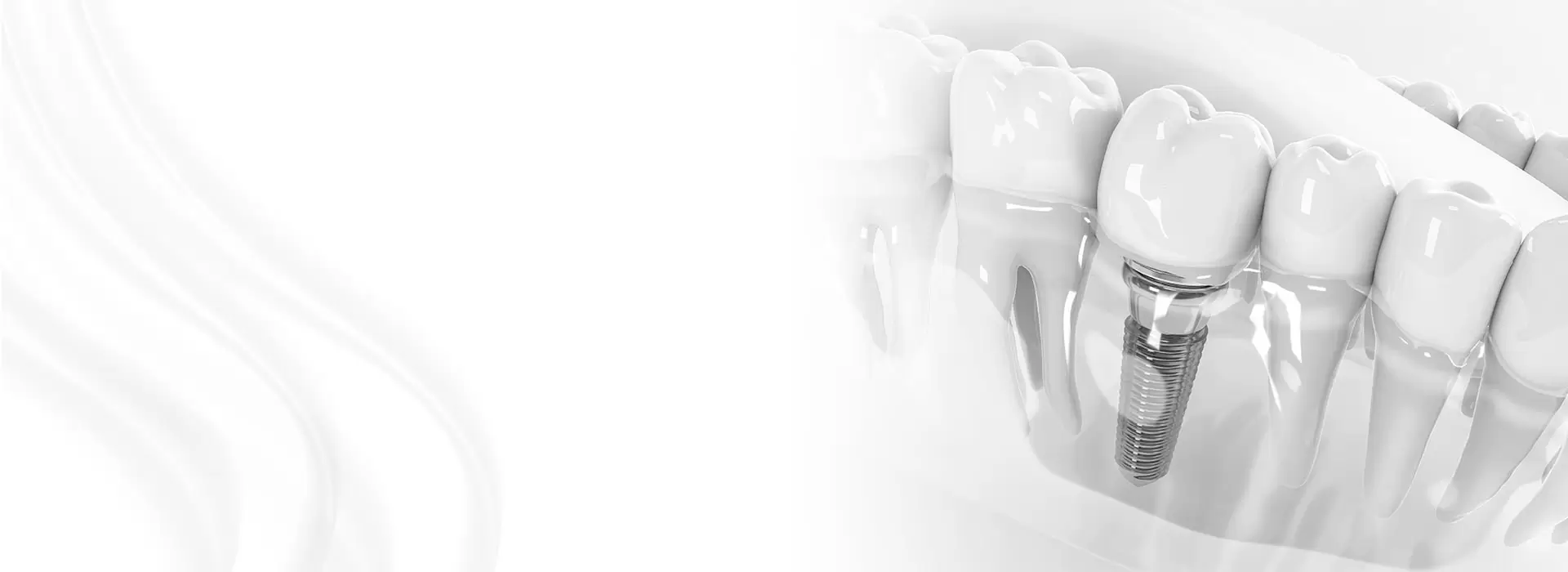
Treatment may be limited to the visible front teeth, or it may include a wider smile zone. If you are exploring materials and treatment combinations, the clinic’s veneer and crown options can help you understand how these restorations may be used in a customised plan. The final choice should follow a clinical evaluation rather than a package description.
Moving Through the Treatment Stages
If whitening is part of the plan, it may be completed before veneers or crowns so the natural teeth and restorations can be coordinated more effectively. Whitening changes natural enamel but does not lighten existing porcelain or ceramic restorations. The dentist can therefore help select a shade that remains consistent.
Veneer preparation usually involves creating space on the front surface of the tooth, taking digital impressions, and placing temporary restorations while the permanent ones are produced. Crowns cover more of the tooth and may be recommended when a tooth is weak, extensively filled, fractured, or already significantly restored. In some cases, minimal-preparation or no-preparation options may be discussed, but they are not suitable for everyone.
The laboratory then fabricates the permanent restorations according to the agreed design. At the fitting appointment, the dentist checks colour, shape, margins, contact points, and bite before bonding or cementing them. You should have the opportunity to comment on the appearance during the try-in stage. If implants, orthodontics, gum treatment, or root canal therapy are required, the overall schedule will be longer and may involve separate healing periods.
Timelines, Treatment Choices, and Travel
The time needed for a smile makeover varies according to the number of teeth and the complexity of the case. A straightforward veneer or crown plan may be completed during one or two visits, while implants and orthodontic alignment often require several months. A reputable clinic should explain what can be completed during one trip and what requires follow-up at home.
The following comparison gives a general overview. Exact procedures, materials, prices, and schedules depend on the individual diagnosis.
| Treatment |
Common purpose |
Typical treatment stages |
Approximate timeline |
| Professional whitening |
Lighten natural teeth |
Examination, whitening session, shade review |
One visit or a short course |
| Porcelain veneers |
Change the visible shape, shade, and proportion of suitable teeth |
Preparation, scans, temporaries, try-in, bonding |
Often several days to two weeks |
| Dental crowns |
Protect and restore weakened or extensively damaged teeth |
Preparation, temporary crown, laboratory fabrication, fitting |
Often several days to two weeks |
| Invisible aligners |
Improve mild to moderate alignment concerns |
Scan, staged trays, regular monitoring |
Several months |
| Dental implants |
Replace missing teeth and support restorations |
Implant placement, healing, abutment and crown |
Commonly several months |
| Combined smile makeover |
Address several cosmetic and functional concerns |
Staged assessment and coordinated procedures |
From weeks to several months |
International patients should plan time for consultation, treatment, and any necessary review. Flights should not be booked so tightly that a fitting adjustment becomes difficult. It is also sensible to ask how the clinic handles post-treatment concerns once you return home and whether written instructions or dentist-to-dentist communication are available.
Protecting the Result After Treatment
Immediately after treatment, mild sensitivity or gum tenderness can occur, particularly after tooth preparation or whitening. The dentist may recommend a soft diet for a short period, careful brushing with a soft toothbrush, and specific products for sensitivity. Follow the clinic’s instructions rather than relying on general online advice.
Veneers and crowns are durable but not indestructible. Avoid using the teeth to open packaging or bite hard objects. Patients who grind their teeth may benefit from a custom night guard. Regular examinations and professional cleanings help the dentist monitor the restorations, gums, bite, and underlying teeth.
Long-term maintenance also depends on daily habits. Brush twice a day with fluoride toothpaste, clean between the teeth, limit frequent exposure to highly acidic or sugary drinks, and attend routine dental appointments. If a restoration feels loose, sharp, painful, or different when you bite, contact the clinic or a qualified local dentist promptly.
Practical Recommendations Before You Travel
A successful cosmetic dentistry experience depends on preparation as much as the procedure itself. Before confirming treatment, review your records, understand the proposed materials, and make sure the plan addresses oral health as well as appearance.
- Send accurate dental photographs and disclose previous treatments, allergies, medications, grinding, and relevant medical conditions.
- Request a written treatment plan showing the teeth involved, restoration type, estimated timeline, aftercare, and possible additional costs.
- Confirm whether scans, X-rays, temporary restorations, adjustments, and follow-up support are included.
- Choose a realistic tooth shade and shape that complement your facial features rather than copying an edited photograph.
- Arrange enough time in Turkey for fitting checks and keep a local dentist informed if extensive treatment is planned.
The process for getting a Hollywood smile in Turkey should feel collaborative from the first consultation to the final review. At TruDent Clinics in Izmir, patients can discuss cosmetic and general dental needs, explore personalised options, and coordinate treatment according to their oral condition and schedule. To begin, arrange a consultation and bring your questions, dental history, and preferred treatment goals for a detailed assessment.