What to do when you need emergency dental care in Izmir
A sudden toothache, broken filling or dental injury can be especially stressful when you are travelling. In Izmir, tourists can usually access private dental clinics without a referral, and many clinics serving international patients can arrange an appointment quickly. The key is to recognise urgent symptoms, contact the right provider and explain your medical history clearly.
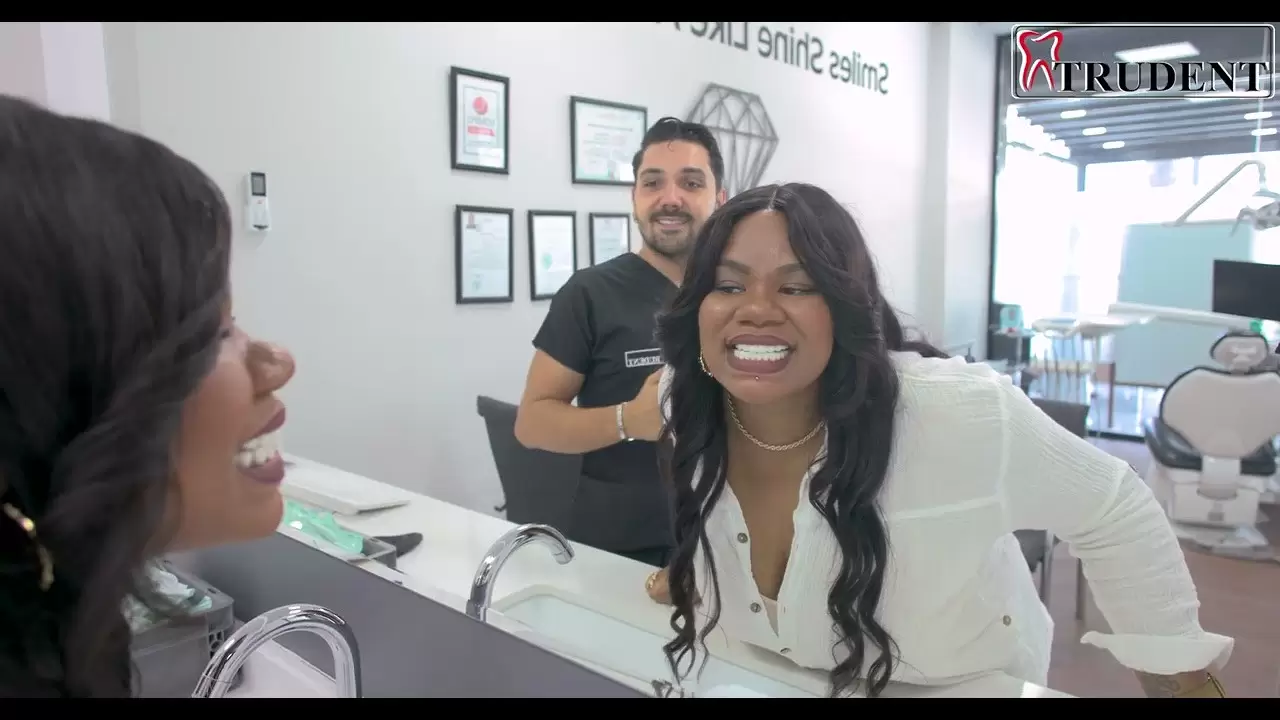
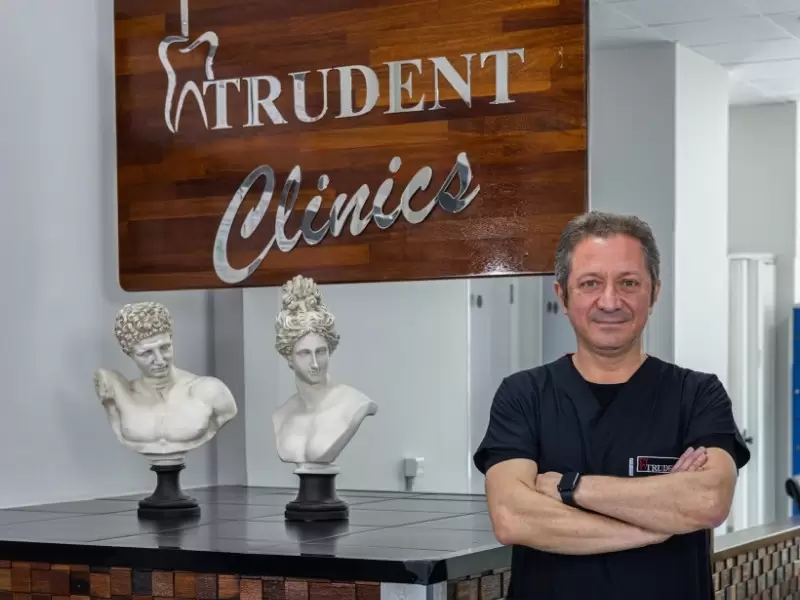
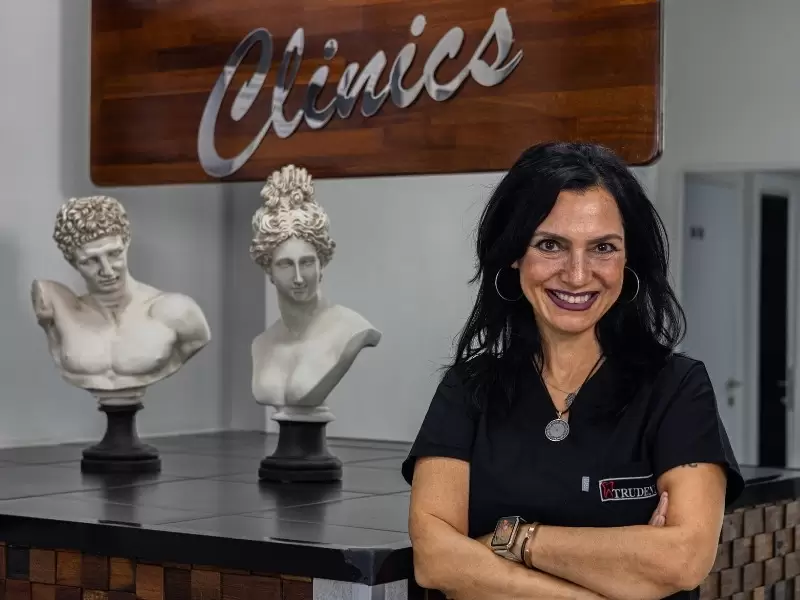
Emergency dental care may involve pain relief, temporary repair, drainage of an infection, treatment for a damaged tooth or a plan for definitive work after you return to Australia. TruDent Clinics provides general, emergency and cosmetic dentistry in Izmir, with consultations designed around the patient’s condition, timing and travel plans.
Recognising a dental emergency
Severe, persistent tooth pain is a common reason for seeking urgent treatment. Other warning signs include swelling in the cheek or gums, bleeding that will not stop, a knocked-out tooth, a cracked tooth exposing the inner tissue, or a dental crown that has come loose. A fever, bad taste or pus may indicate an infection requiring prompt assessment.
Some symptoms require emergency medical attention rather than a routine dental appointment. Difficulty breathing or swallowing, rapidly spreading facial swelling, uncontrolled bleeding, confusion or a serious facial injury should be treated as urgent. In Turkey, call 112 for ambulance and general emergency services. A dental clinic can help with oral problems, but airway or major trauma concerns need immediate medical support.
Australians often call 000 at home, so it is worth saving 112 in your phone before travelling. A hotel receptionist, tour operator or travel insurer may help locate a nearby clinic, though waiting for an intermediary can be unwise if pain or swelling is worsening.
Finding a clinic in Izmir
Start by contacting a private dental clinic that accepts international patients and offers emergency appointments. Izmir is a large coastal city with established medical and dental services, particularly around central districts such as Alsancak, Konak, Bornova and Karşıyaka. Your accommodation area, transport time and the clinic’s language support all matter when you are in pain.
Send a concise message by phone, WhatsApp or email. Include your name, location, symptoms, when the problem began, whether you have swelling or fever, and whether you have had recent dental work. A photograph can help the clinic prepare, but it cannot replace an examination or dental X-ray.
Ask whether the dentist can see you the same day, whether an English-speaking team member is available and what identification or payment method you should bring. Tourist clinics commonly work with international cards, but it is sensible to carry a backup card and some Turkish lira for transport or smaller purchases.
What happens at the appointment
The dentist will usually begin with questions about your pain, medications, allergies and relevant health conditions. They may examine the tooth, gums, jaw and surrounding tissues, followed by an X-ray if the cause is unclear or a deeper infection, fracture or root problem is suspected.
The first priority is to stabilise the situation. Depending on the diagnosis, this could mean cleaning the area, placing a temporary filling, re-cementing a crown, extracting a severely damaged tooth, beginning root canal treatment or prescribing medication when clinically appropriate. Antibiotics are not a substitute for treating the dental source, and they should only be used according to the dentist’s instructions.
Before accepting treatment, request a written explanation of the diagnosis, proposed procedure, estimated price and likely follow-up. If you are flying soon, tell the dentist your departure date. A temporary repair may be appropriate in some cases, while another patient may need treatment completed before travelling.
Costs, payment and travel insurance
Prices in Izmir’s private dental market can vary according to materials, imaging, laboratory work, urgency and the dentist’s experience. A consultation and X-ray may be charged separately from treatment. Ask whether the estimate includes local anaesthetic, medication, temporary work, laboratory fees and any review appointment.
Australians should check their travel insurance policy before treatment if circumstances allow. Policies often require you to contact an assistance line, use an approved provider or obtain pre-authorisation for expensive care. Emergency dental cover may have a low financial limit and may exclude problems that began before the trip, routine treatment, cosmetic procedures or conditions linked to neglected dental care.
| Situation |
Practical action in Izmir |
Records to request |
| Severe toothache or a broken filling |
Arrange an urgent examination and X-ray |
Diagnosis, X-ray and invoice |
| Swelling or suspected infection |
Seek same-day dental assessment; use 112 for breathing or swallowing difficulty |
Prescription, clinical notes and payment receipt |
| Knocked-out permanent tooth |
Handle the tooth by the crown, keep it moist and contact a clinic immediately |
Injury report and treatment summary |
| Lost crown or veneer |
Keep the restoration, avoid hard foods and book an appointment |
Repair details and material information |
| Treatment before flying home |
Discuss timing, pressure, pain and possible follow-up needs |
Written aftercare and dentist’s contact details |
Medicare generally does not pay for routine dental care overseas, and Turkey is not a country covered by Australia’s Reciprocal Health Care Agreements. Private health insurance extras may also be limited to treatment in Australia. Keep itemised receipts, card slips, prescriptions, X-rays and clinical notes for an insurance claim and for your Australian dentist.
Managing the time before treatment
Until you reach the clinic, rinse gently with lukewarm water and remove trapped food with care. A cold compress held against the outside of the cheek may help with swelling. Follow the label instructions for any pain medicine, and tell the dentist if you take blood thinners, have kidney or liver disease, are pregnant or have an allergy.
Do not place aspirin directly on the gum, apply household chemicals to the tooth or attempt to glue a crown back with a strong adhesive. If a permanent tooth has been knocked out, avoid touching its root. Keeping it in suitable milk or tooth-preservation solution may help, but immediate professional advice is more important than trying to manage the injury alone.
Food choices can make the hours after treatment easier, particularly if your mouth is numb or sensitive. Soft, mild options are usually more comfortable than hard, sticky or very hot foods; TruDent’s guide to foods after surgery provides practical ideas for recovery meals.
Aftercare while travelling
Follow the clinic’s instructions about brushing, rinsing, medication, eating and physical activity. After an extraction or oral surgery, avoid smoking and alcohol during the advised healing period. Australians may be accustomed to buying common pain medicines from a pharmacy in Sydney, Melbourne or Brisbane, but medication names, strengths and rules can differ in Turkey, so show your prescription to a local pharmacist rather than substituting products yourself.
If you have had sedation, arrange safe transport back to your hotel and avoid driving, swimming alone or making important decisions until the effects have passed. Ask whether you need a companion overnight, particularly after extensive treatment or if you are travelling alone.
Contact the clinic promptly if pain suddenly increases, swelling expands, a fever develops, bleeding continues or a temporary restoration falls out. Keep the clinic’s phone number, your accommodation address and your travel insurance assistance details together. This is especially useful when moving between Izmir, Çeşme, Selçuk or another destination during the same holiday.
Preparing for the flight home
Tell the dentist when you plan to fly and whether you have connecting flights. After some surgical procedures, swelling and discomfort can increase during the first few days, so travelling immediately may be inconvenient or medically unsuitable. The dentist can explain whether you need a review before departure and what warning signs should delay travel.
Ask for a treatment summary in English, including the tooth number, diagnosis, procedure, materials used, medication and recommended follow-up. Request copies of X-rays in a digital format if available. This gives an Australian dentist a clearer starting point if further care is required in Perth, Adelaide, Canberra, Melbourne or another city.
Australian consumer protections may not apply in the same way to services purchased from an overseas clinic, so clarify the clinic’s policy for adjustments, reviews and complications before leaving. A written quote and documented consent reduce misunderstandings about what was completed and what remains.
Choosing the right level of care
Emergency treatment is often about controlling pain, preventing deterioration and protecting the tooth until a complete plan is possible. A tourist with a loose veneer may need a simple repair, while someone with facial swelling may require immediate infection management. Cosmetic work, such as a smile makeover or whitening, should generally wait until an urgent health problem has been assessed.
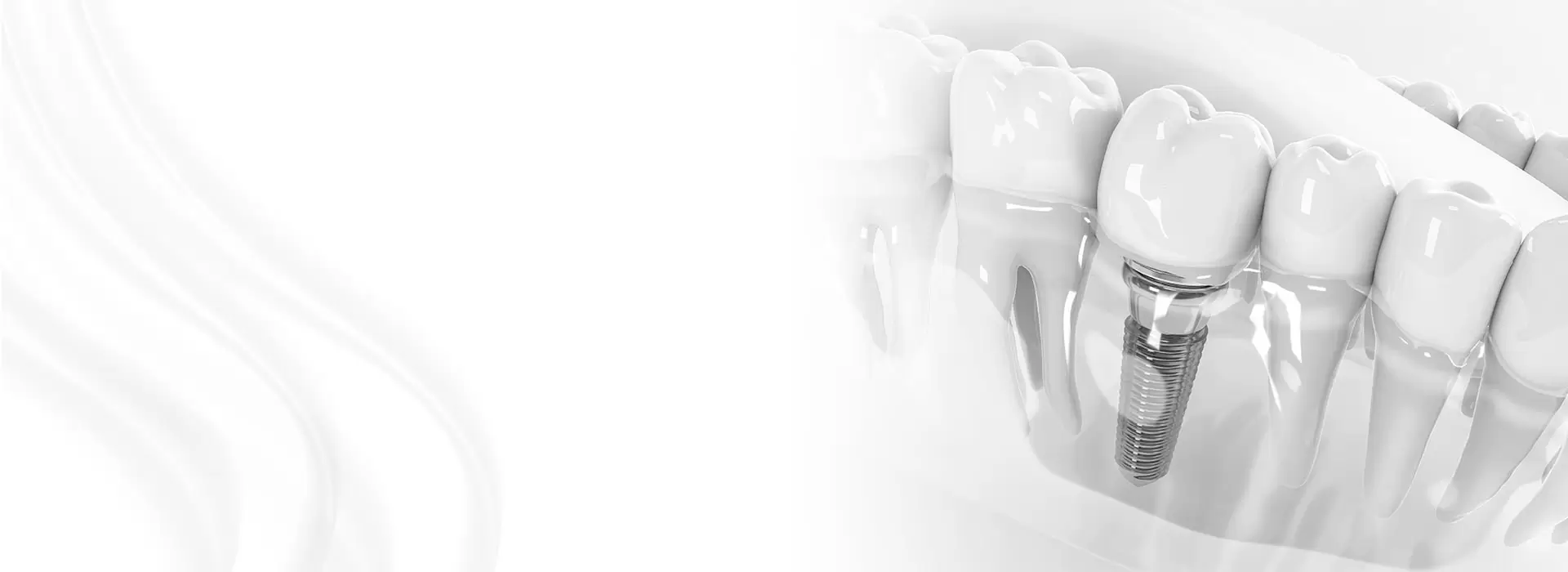
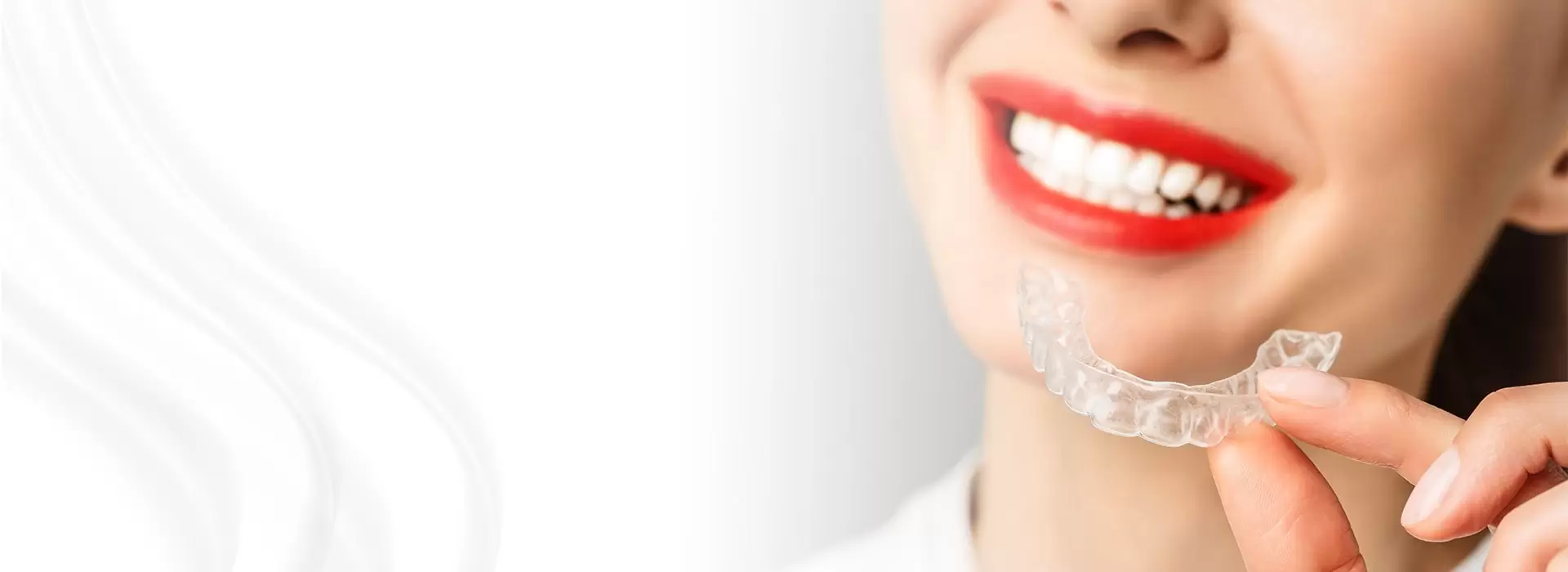
TruDent Clinics can discuss emergency dentistry alongside longer-term options such as crowns, veneers, invisible aligners and implants when appropriate. A personalised consultation helps separate what needs attention during the holiday from elective treatment that can be planned carefully.
When arranging care, provide honest information about previous dental work and your return date. Clear communication allows the dentist to recommend a safe, realistic solution rather than rushing into treatment simply because you are travelling.
If a dental problem develops during your visit, contact TruDent Clinics in Izmir for an assessment and explain that you are travelling on a schedule. Prompt examination, clear cost information and a written aftercare plan can help you protect your health and continue your holiday with greater confidence.