What Recovery Is Like After Multiple Dental Implants
Recovery after multiple dental implants is usually a staged process rather than a single event. Your gums need to settle, the jawbone must bond with the implant surfaces, and any temporary teeth may need adjustment before the final crowns, bridges or dentures are fitted. The experience can be manageable, but it requires patience and careful aftercare.
For Australians travelling to Izmir for treatment, planning matters as much as the procedure itself. A long flight from Sydney, Melbourne, Brisbane or Perth, time away from work, private health insurance rules and follow-up arrangements should all be considered before booking. TruDent Clinics creates personalised treatment plans, so your expected healing time should be discussed during your consultation rather than estimated from someone else’s experience.
The First Few Days After Surgery
Swelling, tenderness, mild bruising and a small amount of bleeding are common during the first 48 to 72 hours. These symptoms often reach their peak around the second or third day before gradually improving. When several implants have been placed, the mouth may feel more tired and sensitive than it would after a single implant, particularly if bone grafting or tooth extraction was performed at the same appointment.
Your dentist may recommend prescribed pain relief, an antibacterial mouthwash or other medication. Take medicines exactly as directed, and do not add aspirin or other products that may increase bleeding unless your treating clinician approves them. Applying a cold pack to the outside of the face for short periods can help during the first day, while resting with your head slightly elevated may reduce throbbing.
Soft, cool foods are usually easiest at first. Smoothies eaten with a spoon, yoghurt, scrambled eggs, mashed vegetables, soup that is not hot and soft pasta can provide energy without placing pressure on the surgical sites. Avoid straws, smoking, alcohol and vigorous rinsing, as suction and irritation can disturb early healing.
Eating, Cleaning And Returning To Routine
Oral hygiene remains important after implant surgery, although the technique changes temporarily. You may be asked to avoid brushing directly over the surgical area at first, then clean around it gently with a soft toothbrush. Follow the clinic’s instructions for rinsing, because forceful swishing can interfere with a developing blood clot or healing tissue.
Most people gradually move from soft foods to a more normal diet as discomfort decreases. Chew away from the implant sites unless your dentist has supplied a temporary restoration designed for immediate function. Hard crusts, nuts, popcorn, sticky lollies and very chewy meat can place unnecessary force on healing implants.
Office-based work may be possible after a few days, but physically demanding jobs can require more time. If you work in construction, healthcare, hospitality or another role involving lifting and constant movement, ask when it is safe to resume normal duties. Australian patients often try to fit treatment around school holidays, annual leave or a long weekend, but multiple implants rarely follow a convenient weekend-only recovery schedule.
Osseointegration And The Longer Healing Phase
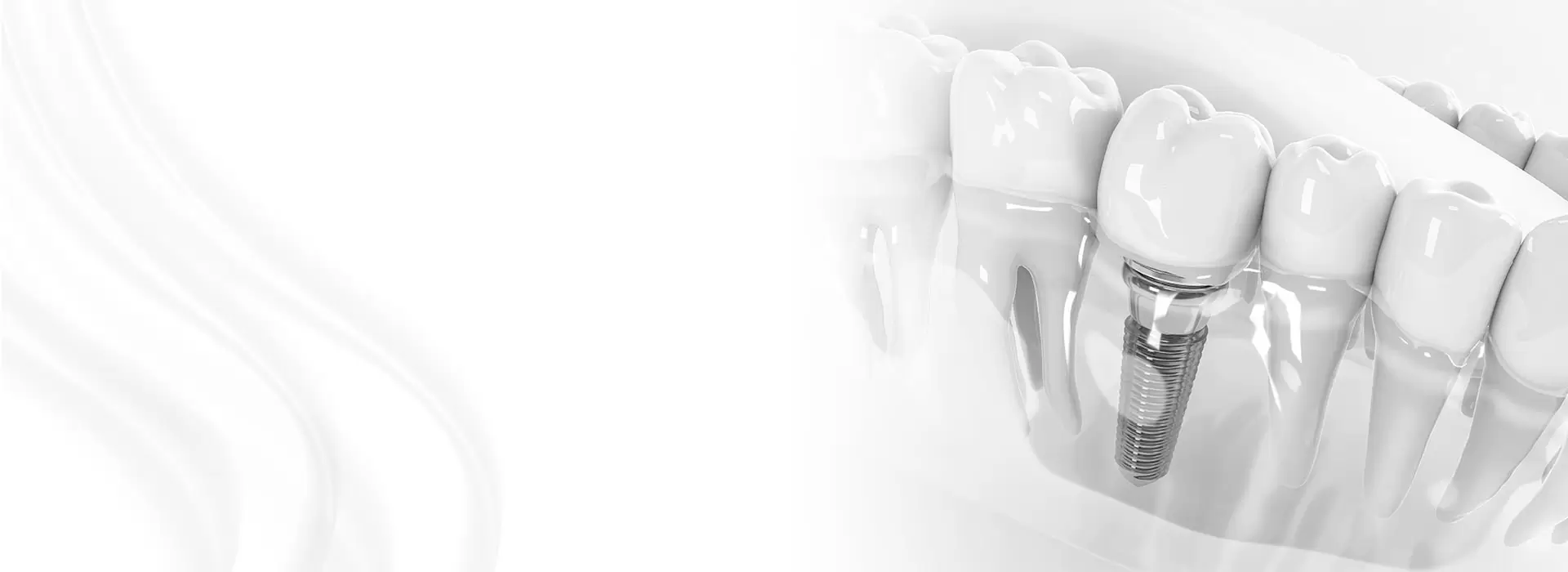
The most important part of implant recovery happens beneath the gums. During osseointegration, the jawbone gradually bonds with the titanium or ceramic implant. This process commonly takes several months, although the timeframe varies according to bone quality, implant position, medical history and whether grafting was required.
Some patients receive temporary teeth on the same day, while others need to wait before a temporary bridge, denture or final restoration is attached. Immediate loading is not suitable for every case. The implants must have adequate stability, and biting forces need to be controlled while the bone heals.
Follow-up appointments allow the dental team to check gum healing, bite balance and implant stability. Patients who are travelling from Australia should clarify how many visits are expected in Izmir and whether any later review can be completed with a local dentist. Reviewing the qualifications and experience of the TruDent doctors can also help you prepare specific questions about your planned procedure.
Travel Planning For Australian Patients
Flying soon after oral surgery may be uncomfortable because cabin pressure, fatigue and limited access to care can complicate the early recovery period. Your implant dentist should give you a personalised recommendation about when it is safe to fly. If sinus lifting or upper-jaw surgery is involved, the advised waiting period may be longer.
Arrange accommodation close to the clinic for the first nights, with easy access to pharmacies and transport. Izmir has busy roads and a large metropolitan area, so a short journey on a map can take longer at peak times. Having a companion is especially useful after sedation or extensive surgery, and you should avoid planning a packed sightseeing schedule immediately after treatment.
Before leaving Australia, check your private health policy carefully. Dental implants are generally not covered by Medicare, while extras policies may have exclusions, annual limits or waiting periods. Quotes should separate surgery, scans, temporary teeth, grafting, final restorations, medications and follow-up care. Keep copies of your treatment records, implant details and x-rays for any dentist you may see at home.
Signs Of Healthy Healing And Warning Symptoms
Gradual improvement is a reassuring sign. Soreness should become easier to manage, swelling should settle and the gums may appear less red as the tissue repairs. A temporary restoration may feel unfamiliar at first, but it should not be placed under excessive pressure or cause persistent sharp pain.
Contact the clinic promptly if bleeding will not stop with firm gauze pressure, swelling continues to worsen after the first few days, pain becomes severe, a fever develops or you notice pus, a bad taste or difficulty swallowing. Numbness that does not improve, a loose temporary tooth or an implant that feels mobile also requires professional assessment.
Do not wait until you return to Australia if a serious symptom develops during your trip. Contact the treating clinic for advice and seek urgent local medical or dental care if you have breathing difficulty, rapidly spreading facial swelling, uncontrolled bleeding or signs of a severe allergic reaction.
Practical Ways To Support Recovery
- Follow the clinic’s written instructions rather than copying another patient’s implant recovery routine.
- Plan several quiet days after surgery and avoid scheduling tours, long drives or strenuous activities.
- Choose nourishing soft foods and drink plenty of water without using a straw.
- Stop smoking or vaping during healing, as nicotine can reduce blood supply and increase implant complications.
- Keep every review appointment, including checks before final crowns or bridges are fitted.
- Arrange travel insurance and confirm whether it covers planned dental treatment or only unexpected emergencies.
- Keep your Australian dentist informed and provide them with the implant system and treatment records.
Multiple dental implants can restore chewing ability, appearance and confidence, but the final result depends on healing as well as surgical skill. Give your body enough time, protect the temporary teeth and report concerns early instead of trying to push through them.
To begin, request a consultation with TruDent Clinics and provide your dental history, current scans and travel dates. A personalised assessment can outline the number of appointments, likely recovery milestones and the safest way to coordinate treatment between Izmir and home in Australia.