What Is the Recovery Time for a Smile Makeover
A smile makeover combines two or more cosmetic or restorative dental treatments to improve the appearance, function, and balance of your smile. Depending on your goals, a personalized plan may include veneers, dental crowns, teeth whitening, invisible aligners, bonding, gum contouring, or dental implants.
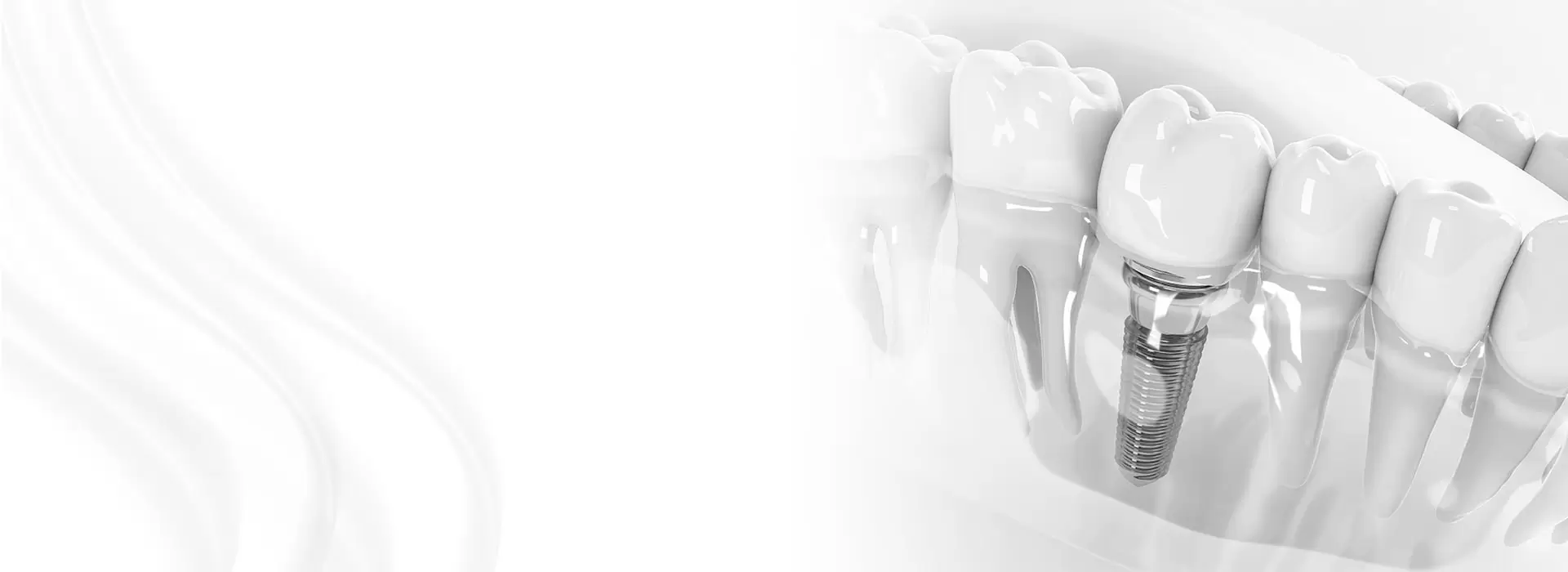
Recovery time varies because every procedure affects the teeth and surrounding tissues differently. Whitening may cause temporary sensitivity, while veneers and crowns can require several days of adjustment. Implant treatment involves a longer healing period because the jawbone must integrate with the implant before the final tooth is placed.
For many patients, the visible part of a smile transformation is completed within a few appointments, but the mouth may need several days or weeks to fully settle. Your dentist will explain each stage during the consultation and provide aftercare instructions suited to your treatment plan.
How The Treatment Combination Affects Healing
A smile makeover is designed around your dental condition, facial appearance, bite, and expectations. Someone receiving professional whitening and composite bonding may return to normal activities immediately. A patient receiving veneers or crowns may experience sensitivity and gum tenderness while adapting to the new restorations.
Treatment order can also influence recovery. Tooth whitening may be completed before veneers or crowns so that the restorations can match the desired shade. Orthodontic treatment with invisible aligners may happen before cosmetic restorations, while gum treatment or implant placement may need to be completed before the final smile design.
The most important factor is the complexity of the plan. A makeover involving several front teeth usually has a shorter recovery than full-mouth rehabilitation or implant-supported restorations. Your dentist may stage treatment to protect your comfort, oral health, and long-term results.
Typical Recovery After Common Smile Treatments
Each procedure has its own healing pattern. Veneers generally involve mild gum irritation or tooth sensitivity for a few days, particularly when enamel has been prepared. Most patients adapt to the shape and feel of porcelain veneers within one to two weeks. Avoiding very hard foods during the early period can help protect the bonding while you become accustomed to your new bite.
Crowns may cause temporary sensitivity to hot or cold foods and mild soreness around the gumline. These effects commonly improve within several days, although bite adjustments may be needed if a crown feels high or uncomfortable. Teeth whitening usually requires little downtime, but sensitivity can last from a few hours to two days.
Invisible aligners do not usually involve surgical recovery. However, the teeth and gums may feel pressured or tender for the first few days of a new tray. Speech changes and increased saliva can occur during the adjustment period, then typically improve as the mouth adapts. Dental implants require a longer recovery: initial swelling and soreness may settle within one to two weeks, while bone integration can take several months.
| Smile makeover treatment |
Common early effects |
Approximate adjustment or healing period |
| Professional whitening |
Tooth sensitivity, mild gum irritation |
A few hours to two days |
| Porcelain veneers |
Sensitivity, gum tenderness, bite adjustment |
Several days to two weeks |
| Dental crowns |
Soreness, temperature sensitivity |
Several days to two weeks |
| Invisible aligners |
Pressure, mild tenderness, speech changes |
A few days per tray |
| Dental implants |
Swelling, bruising, surgical soreness |
One to two weeks initially; several months for integration |
| Composite bonding |
Minor sensitivity or gum tenderness |
Usually same day to a few days |
What The First Days May Feel Like
The first 24 to 72 hours are often when sensitivity and gum tenderness are most noticeable. Cold drinks, hot foods, acidic ingredients, and very sweet items may temporarily cause discomfort after whitening, veneers, or crowns. Choosing soft, lukewarm foods can make this period easier.
Swelling and bruising are more likely after implant surgery, gum contouring, or other procedures involving the soft tissues. Applying a cold compress as directed and resting during the first day may help reduce discomfort. Medication should be taken only as prescribed or recommended by your dental team.
Your bite may feel unfamiliar after cosmetic dentistry because the length, shape, or position of the teeth has changed. This does not always mean something is wrong. However, persistent pain, difficulty chewing, a restoration that feels loose, or a bite that remains uneven should be reported to the clinic promptly.
Factors That Can Extend Recovery
Your existing oral health can affect the pace of recovery. Gum inflammation, tooth decay, enamel wear, bone loss, or an untreated bite problem may need attention before cosmetic treatment begins. Smoking and vaping can interfere with gum healing, especially after implant surgery, and may increase the risk of complications.
The number of teeth treated also matters. A single veneer may involve minimal adjustment, while multiple restorations can produce a stronger sense of pressure or altered bite. Patients with sensitive teeth may need a longer period to become comfortable, particularly after whitening or enamel preparation.
Healing can also be affected by general health, diabetes control, medications, oral hygiene, and adherence to aftercare instructions. A careful assessment at TruDent Clinics helps identify these factors and supports a treatment plan that is realistic for your dental needs and schedule.
Caring For Your New Smile
Good aftercare protects the teeth, gums, and restorations while your mouth adapts. Brush gently with a soft-bristled toothbrush and use floss or interdental cleaning tools as advised. Keeping the gums clean is especially important around crowns, veneers, and implants because inflammation can compromise comfort and long-term stability.
Follow any temporary dietary restrictions provided by your dentist. Hard nuts, ice, sticky sweets, and biting directly into very firm foods can place unnecessary stress on new restorations. If you wear aligners, remove them only as instructed and clean both the trays and your teeth regularly.
Useful habits during recovery include:
- Choose soft, lukewarm foods during the first few days if your teeth or gums feel tender.
- Use toothpaste designed for sensitivity when recommended by your dentist.
- Avoid smoking and limit alcohol while surgical areas are healing.
- Wear a night guard if bruxism or teeth grinding has been identified.
- Attend scheduled reviews so your bite, gums, and restorations can be checked.
When To Contact Your Dentist
Mild sensitivity and tenderness are expected after many smile makeover procedures, but symptoms should gradually improve. Severe or increasing pain, significant swelling, fever, pus, persistent bleeding, or an allergic reaction requires prompt dental advice. After implant surgery, contact the clinic if swelling worsens after the first few days or if the implant area feels unstable.
A restoration that chips, moves, or causes sharp pain when you bite should also be assessed. Do not attempt to adjust a veneer, crown, aligner, or temporary tooth yourself. Early professional attention can often resolve a small issue before it affects the surrounding teeth or gums.
Follow-up appointments are part of the recovery process rather than an optional extra. The dental team can polish or adjust restorations, review gum healing, assess implant integration, and confirm that your bite is comfortable. These checks help preserve the appearance and function of your smile makeover.
The recovery period for your treatment depends on the procedures involved, your oral health, and how your mouth responds. During a consultation at TruDent Clinics in Izmir, the dental team can assess your smile, explain the expected healing timeline, and create a personalized plan covering cosmetic dentistry, restorative care, or implant treatment.
Schedule a consultation to discuss your goals and receive a clear timeline for each stage of your smile transformation. With appropriate planning and aftercare, most patients can return to their normal routine quickly while their new smile settles into a comfortable, natural-looking result.