Dental implants recovery timeline in Turkey: an Australian patient guide
For many Australians weighing up the cost of major dental work, the maths is hard to ignore. A single implant with a crown can run well over AUD $5,000 at home, even with a top extras policy from Medibank or Bupa, while combined packages in Turkish clinics often price the same treatment — including consultations, imaging and the prosthetic tooth — at a fraction of that figure. Add in the pull of a Mediterranean break in İzmir or Antalya, and the country has quietly become a serious destination on the Australian dental tourism map.
Recovery, however, is where the trip gets real. Dental implant surgery is still surgery, and the days and weeks that follow demand planning, rest and a few practical decisions that can shape whether the result lasts a decade or three. Understanding the recovery timeline in advance helps Australian patients structure leave from work, time the flight home, and avoid the most common setbacks.
The first 24 to 72 hours after surgery
Once the anaesthetic wears off, the operated area usually feels tight, tender and a little swollen. Most clinics in İzmir schedule patients for a review the next morning, where the surgeon checks the wound, rinses the site and confirms that the temporary healing cap or cover screw is sitting comfortably. Bleeding should taper to a slow ooze within the first day, and pain is generally manageable with the anti-inflammatories and analgesics that the clinic dispatches you with.
For the first 48 to 72 hours, patients are usually asked to stick to cold liquids and very soft foods — think yoghurt, smoothies (without a straw), lukewarm soup and mashed banana. Hot drinks, alcohol and smoking are off the table, as the suction and heat can disturb the forming blood clot. Many Australians who are used to a flat white at 7am find the caffeine pause one of the trickier parts of the early phase.
Swelling typically peaks around day two or three before easing. Applying a cold compress to the outside of the cheek in 20-minute intervals helps, and most surgeons recommend sleeping propped up on two pillows for the first few nights to reduce fluid pooling around the jaw.
The first two weeks of healing
By the end of the first week, most of the acute discomfort has settled, although the gum around the implant will still feel sensitive and look slightly inflamed. Stitches — if they are not the dissolvable type — are usually removed between days seven and ten. Clinics catering to international patients often coordinate this appointment with a follow-up scan or OPG x-ray to confirm the implant is stable inside the bone.
Eating habits broaden during this phase, but chewing should still happen on the opposite side of the mouth. Scrambled eggs, steamed fish, slow-cooked lamb, well-cooked pasta and soft vegetables are all reasonable choices. Patients who planned a holiday around the treatment often find this is the week they can comfortably wander the markets of Kemeraltı or take a ferry across the Aegean, as long as they avoid strenuous walking and direct sun on the face.
Oral hygiene needs to be gentle but consistent. Most Turkish clinics send patients home with a soft surgical toothbrush, an alcohol-free chlorhexidine mouthwash and instructions to avoid electric toothbrushes near the site for at least two weeks. Skipping this routine is the fastest way to invite infection, which is the single biggest reason implants fail in the early healing window.
Weeks three to six: soft tissue recovery
By week three, the gum has usually closed fully over the implant site, and any lingering bruising around the cheek or chin has faded. Australians who flew in for treatment are generally cleared to fly home somewhere in this window, depending on how many implants were placed and whether sinus lift or bone grafting was involved. For straightforward single implants, many clinics approve short-haul flights after about a week, but longer journeys — like the 20-plus hours back to Sydney or Perth with a connection through Singapore or Dubai — are usually scheduled once swelling and the risk of in-flight pressure discomfort have eased.
It is worth remembering that cabin pressure on long-haul routes can intensify sinus throbbing, particularly relevant if upper jaw implants were placed near the sinus floor. A decongestant and a saline nasal spray, both widely available at Australian pharmacies, are sensible additions to the carry-on bag.
Light exercise is usually welcome from week two onwards, and most patients feel ready to ease back into a gentle gym session, a coastal walk along Bondi or a slow lap of the local pool by week four. Contact sports, heavy lifting and anything that risks a blow to the face should still be avoided until the surgeon gives the go-ahead.
Months two to four: osseointegration
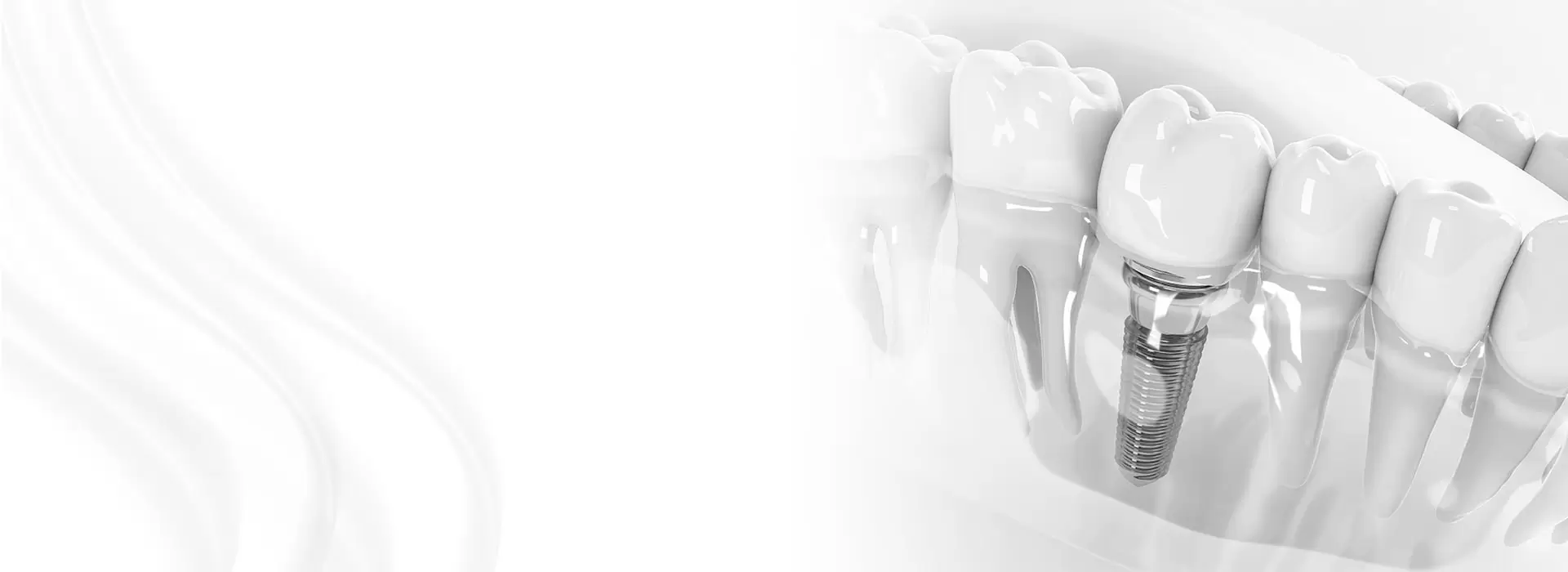
The invisible but most important phase of recovery happens beneath the gum. Osseointegration — the process by which the titanium post fuses with the surrounding jawbone — typically takes between three and six months. During this window the implant should not bear any chewing load, which is why the temporary tooth fitted at the Turkish clinic is usually a lightweight acrylic or composite that sits out of the bite.
Patients who had implants placed in the lower jaw tend to fuse slightly faster than those in the upper jaw, because bone density in the mandible is higher. Smokers, people with uncontrolled diabetes and patients who needed significant bone grafting should expect the longer end of the timeline.
Australian-based follow-up during this stage is straightforward. A general dentist at home can take periodic x-rays to confirm the implant is integrating, and many local practitioners are happy to coordinate with the overseas clinic if digital records are shared. Private health funds such as HCF, NIB and HBF generally do not cover the surgical phase performed overseas, but rebates for the final crown placed in Australia are sometimes available under major dental categories — worth checking the policy wording before committing.
Months five to eight: final restoration phase
Once the surgeon is satisfied that the implant has integrated, the next step is taking impressions for the abutment and final crown. For patients who stayed in Turkey for the entire treatment, this happens in-clinic; for those who returned home, the original clinic either sends the components or works with a partner laboratory in Australia to fabricate the crown.
Try-in appointments are usually short and painless. The abutment is screwed into the implant, the crown is checked for fit, bite and shade, then permanently cemented or torqued into place. From this point the implant can be treated like a natural tooth — brushed, flossed and reviewed at routine six-monthly scale-and-clean appointments.
A common question from Australian patients is whether the colour match will hold up against teeth that have been bleached or that have yellowed slightly with age. Most modern zirconia crowns are layered by hand, and a good Turkish lab will produce a shade indistinguishable from the neighbouring teeth. If whitening is planned, it is usually done before the final crown is fabricated so the new restoration can be matched to the brighter shade.
Flying home and long-term aftercare in Australia
Long-term success with dental implants is more about maintenance than miracle. Daily interdental cleaning, regular professional cleans, and avoiding smoking are the three biggest predictors of an implant lasting 20 years or more. Australians who invested in the trip should think of the implant as a long-term commitment rather than a one-off transaction.
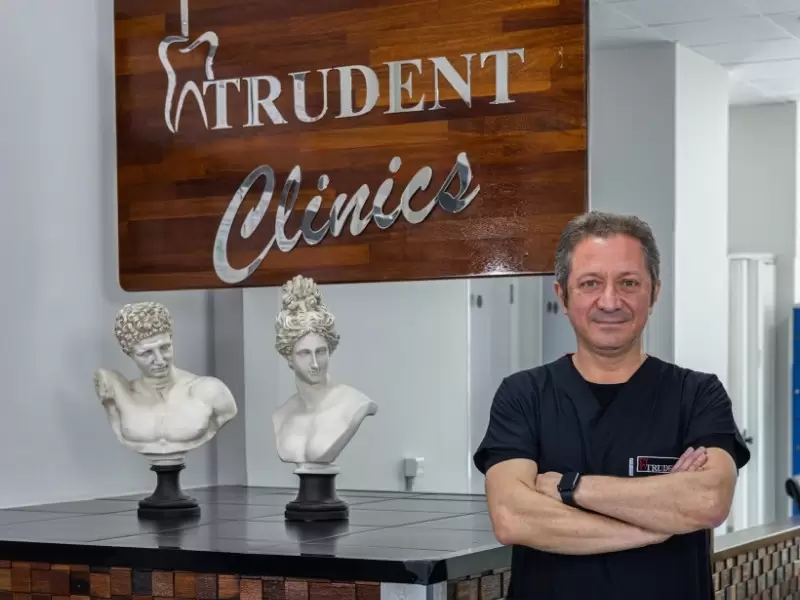
Local dentists are increasingly familiar with implants placed abroad, partly because dental tourism to Türkiye has grown markedly over the past five years. Clinics such as Trudent Clinics send patients home with full digital records, implant batch numbers and a written warranty, which makes life easier for the Australian dentist taking over maintenance. Bringing these documents to the first post-trip check-up — typically booked for a week or two after returning home — keeps everyone on the same page.
If you are weighing up a trip for implant work and want a personalised recovery estimate based on your bone density, general health and travel plans, the team at Trudent Clinics can map out a day-by-day plan before you book the flights. A short online consultation is usually enough to confirm whether you are a good candidate and how many trips to İzmir you should plan for.