What Is the Success Rate of Dental Implants?
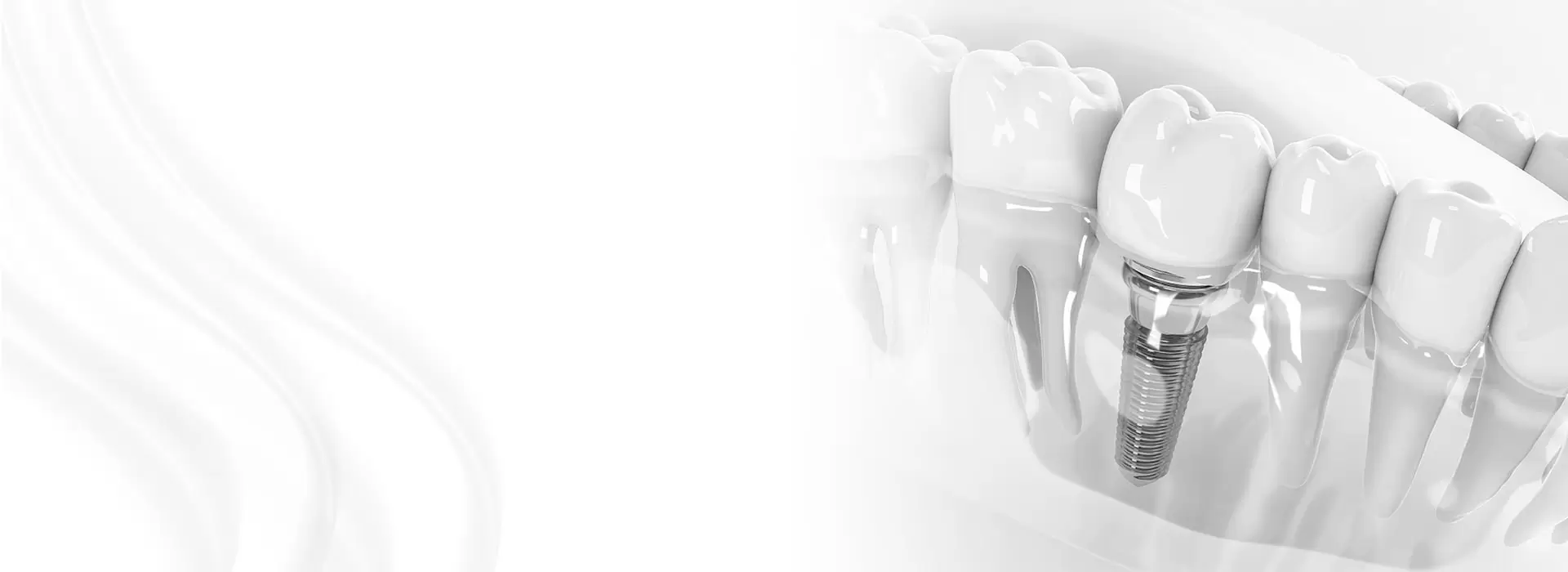
Dental implants are among the most predictable solutions for replacing missing teeth. They can restore chewing function, support a natural-looking crown or bridge, and help preserve the jawbone after tooth loss. Their long-term performance, however, depends on several clinical and lifestyle factors rather than a single percentage that applies to every patient.
Research commonly reports dental implant survival rates of approximately 90% to 95% after 10 years. In carefully selected cases with good maintenance, implants may function successfully for much longer. Survival means the implant remains in place, while success also considers comfort, healthy surrounding tissues, stable bone levels, and satisfactory function.
At TruDent Clinics in Izmir, implant treatment begins with an individual assessment rather than a standardised procedure. The dental team evaluates oral health, bone volume, medical history, bite, and aesthetic goals before recommending implant placement, bone grafting, or another tooth replacement option.
What Implant Success Actually Measures
The terms “implant success” and “implant survival” are related but not identical. An implant may be counted as surviving if it remains attached to the jaw, even when there is mild bone loss or a minor biological complication. A successful implant is expected to remain stable, comfortable, functional, and surrounded by healthy gum and bone tissue.
Dentists also assess the condition of the restoration attached to the implant. The crown, bridge, or denture should fit securely, look appropriate, and distribute chewing forces correctly. A technically successful implant can still require maintenance if the crown becomes worn, the screw loosens, or the bite places excessive pressure on the restoration.
Published figures can vary according to the implant location, study period, patient health, implant system, and definition of success. For this reason, a reported percentage should be used as a general guide rather than a personal prediction.
Typical Long-Term Implant Results
For many healthy adults, a single dental implant has a survival rate close to 95% over a 10-year period. Lower jaw implants often show particularly strong results because the bone can be denser, while implants in the upper back jaw may require more careful planning due to softer bone and proximity to the sinus.
The first few months are important because the implant must integrate with the jawbone through a process called osseointegration. During this phase, the implant is protected from excessive force while the surrounding bone becomes firmly attached to its surface. Once integration is confirmed, the permanent crown can be fitted according to the treatment plan.
Implant complications can occur early or years later. Early failure may be linked to infection, insufficient integration, or excessive movement during healing. Late problems are more commonly associated with gum disease around the implant, poor cleaning, smoking, excessive biting forces, or damage to the restoration.
Factors That Influence Implant Success
The patient’s general health and oral condition have a direct effect on treatment predictability. Healthy gums, adequate jawbone, effective plaque control, and a stable bite create a stronger foundation for implant therapy. Active gum disease should generally be treated before implant placement because the bacteria and inflammation can affect the tissues around the new implant.
Smoking is associated with slower healing and a higher risk of implant complications. Diabetes that is poorly controlled can also interfere with wound healing and infection resistance. These conditions do not automatically rule out implant treatment, but they may require medical coordination, lifestyle changes, or additional monitoring.
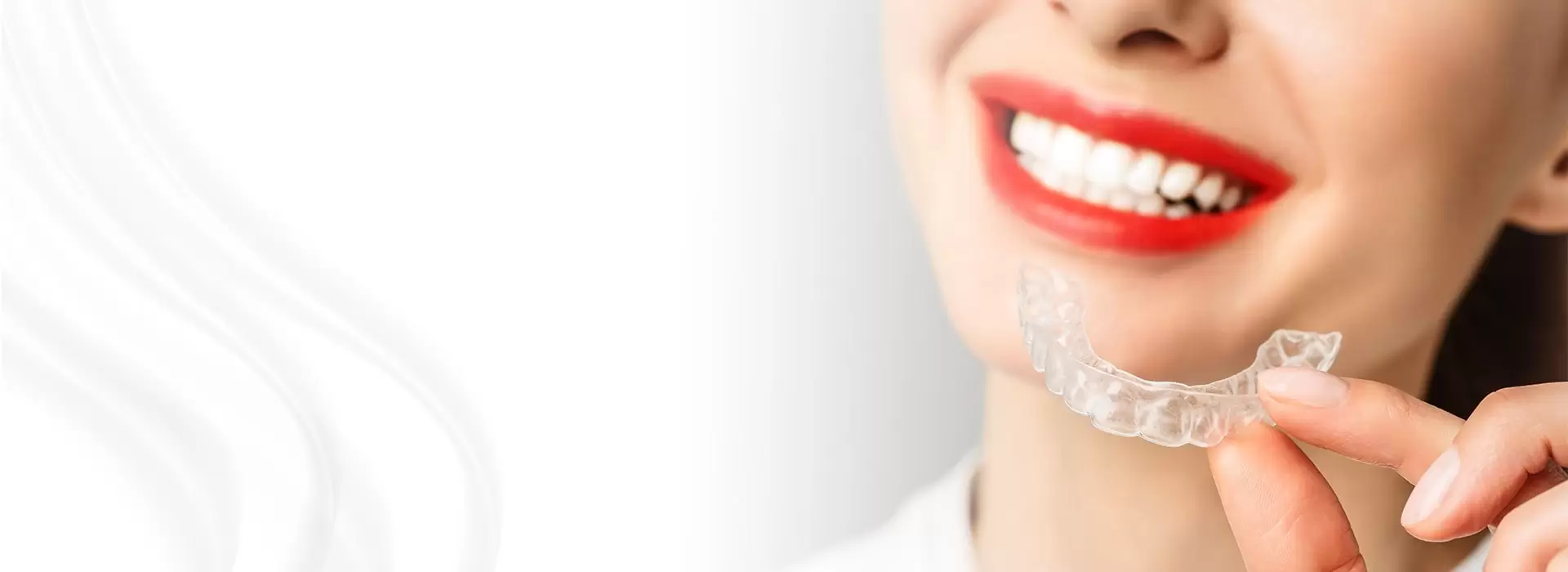
Bone quantity and quality are equally important. When the jaw has resorbed after tooth loss, a bone graft or sinus lift may be recommended to create adequate support. Bruxism, or habitual teeth grinding, can overload an implant crown, so a protective night guard may be useful for suitable patients.
| Factor |
Potential effect on treatment |
How risk can be managed |
| Healthy gums |
Supports stable tissue around the implant |
Treat gum disease and maintain regular cleanings |
| Smoking |
May slow healing and increase failure risk |
Stop or reduce smoking before and after surgery |
| Uncontrolled diabetes |
Can impair healing and infection control |
Coordinate care and improve blood glucose management |
| Limited jawbone |
May reduce initial implant stability |
Consider grafting, sinus elevation, or an alternative plan |
| Teeth grinding |
Can overload the implant and crown |
Use a night guard and adjust the bite when needed |
| Poor oral hygiene |
Raises the risk of peri-implant inflammation |
Follow a tailored brushing and interdental cleaning routine |
| Inadequate follow-up |
Can allow small problems to progress |
Attend examinations and professional maintenance visits |
How Planning Affects the Outcome
A detailed examination helps the dentist identify risks before surgery. This may include digital X-rays, three-dimensional CBCT imaging, photographs, gum measurements, and an assessment of the existing bite. These records show the available bone and help determine the ideal implant position, angulation, size, and depth.
The visible crown must be planned alongside the surgical phase. Implant placement that focuses only on available bone may produce an acceptable foundation but an unattractive or difficult-to-clean result. A restorative approach considers tooth colour, gum contours, facial proportions, speech, chewing, and the relationship between the replacement tooth and neighbouring teeth.
Some patients may receive an immediate temporary tooth, while others benefit from a protected healing period before restoration. Immediate loading is appropriate only when clinical conditions provide sufficient stability. The safest schedule depends on bone quality, infection status, the number of implants, and the location of the missing tooth.
Implants Compared With Other Tooth Replacement Options
Dental implants are designed to replace the root as well as the visible part of a tooth. This allows a crown to be supported without preparing adjacent healthy teeth, and the stimulation provided to the jaw may help reduce bone resorption. They also offer a fixed option for patients who find removable dentures uncomfortable or unstable.
A conventional bridge can provide a quicker replacement in some situations, while a removable partial denture may be more economical or suitable when several teeth are missing. Each option has advantages and limitations. The best choice depends on oral health, treatment time, budget, bone condition, aesthetics, and personal preferences.
| Treatment |
Main support |
Usual strengths |
Important considerations |
| Dental implant and crown |
Jawbone through an artificial root |
Fixed feel, independent support, helps preserve bone |
Requires surgery, healing, and long-term maintenance |
| Tooth-supported bridge |
Adjacent natural teeth |
Can be completed relatively quickly |
Neighbouring teeth usually need preparation |
| Removable partial denture |
Gums and remaining teeth |
Replaces multiple teeth and can be adjusted |
May move during eating and needs daily removal |
| Complete denture |
Gums and underlying bone |
Replaces all teeth in an arch |
Bone shrinkage may affect retention over time |
| Implant-supported denture |
Several implants |
Improved stability compared with a traditional denture |
Requires sufficient bone and regular maintenance |
Protecting Your Implant After Treatment
An implant is artificial, but the gum tissue around it can still become inflamed. Peri-implant mucositis affects the soft tissue, while peri-implantitis can involve bone loss and threaten the stability of the implant. Early detection makes these conditions easier to manage, which is why professional reviews remain important after the crown has been placed.
Home care should include a soft-bristled toothbrush, fluoride toothpaste, and an appropriate method for cleaning between teeth. Interdental brushes, floss designed for implants, or a water flosser may be recommended depending on the restoration. Patients should avoid using excessive force or abrasive products that could damage the crown or irritate the gum.
Useful habits for preserving long-term implant function include:
- Brush twice daily and clean around the implant margins carefully.
- Attend routine examinations and professional hygiene appointments.
- Wear a prescribed night guard if grinding or clenching is present.
- Avoid smoking and seek advice if stopping is difficult.
- Report bleeding, swelling, persistent discomfort, looseness, or a change in the bite promptly.
Arrange a Personalized Implant Assessment
The success rate of dental implants is encouraging, but the most meaningful estimate comes from a complete examination of the individual patient. A consultation can identify whether the implant site has enough bone, whether gum treatment is needed, and which restoration will provide a balanced functional and aesthetic result.
TruDent Clinics can assess missing teeth, discuss implant-supported crowns or bridges, and explain possible preparation such as bone augmentation. Patients considering treatment in Izmir can receive a personalised plan that covers the proposed stages, healing time, maintenance requirements, and expected costs. Schedule a consultation to take the next step toward a stable, natural-looking smile.