Understanding Cosmetic Dentistry Warranties In Turkey
A cosmetic dentistry warranty in Turkey is usually a written promise about the materials used and the quality of the clinical work. It may cover veneers, crowns, bridges, dental implants, or parts of a smile makeover for a defined period. The exact protection depends on the clinic, the dentist, the laboratory, the manufacturer, and the terms accepted before treatment.
For Australian patients, the word “warranty” can sound more comprehensive than it really is. A clinic may offer a materials warranty, a workmanship guarantee, or both. These arrangements commonly exclude damage caused by grinding, accidents, poor oral hygiene, untreated gum disease, or missed follow-up appointments.
Turkey is a popular destination for dental tourism because treatment can be arranged alongside accommodation, airport transfers, and several appointments in one trip. Whether you are travelling from Sydney, Melbourne, Brisbane, or Perth, a clear written agreement is essential before booking flights or committing to extensive treatment.
How Cosmetic Dental Warranties Work
A warranty sets out what a clinic will do if a covered problem occurs during a stated period. Depending on the procedure, the remedy may involve a repair, replacement, adjustment, or review appointment. It does not usually mean every future dental problem will be treated at no cost.
Some clinics separate the dental laboratory’s responsibility from the dentist’s responsibility. For example, a porcelain veneer that fractures because of a manufacturing defect may be handled differently from a veneer damaged by biting into hard food. An implant crown may have one warranty, while the implant fixture placed in the jaw has another.
The document should identify the warranty period, covered teeth or restorations, exclusions, and the process for making a claim. Ask whether the warranty begins on the treatment date, the fitting date, or the date of final approval. Also check whether you must return to Turkey for assessment.
What Coverage Usually Includes
Cosmetic dental warranties often address defects such as cracking, debonding, chipping, or premature failure under normal use. Crowns and veneers may be covered against certain manufacturing or fitting problems, while implant treatment may include separate terms for the implant, abutment, and crown.
A guarantee may require you to follow specific aftercare instructions. This can include wearing a night guard if you clench or grind, attending check-ups, maintaining professional cleaning, and avoiding habits that place unusual stress on restorations. If the clinic identifies bruxism before treatment, it may make a protective splint part of the treatment plan.
Warranty cover is different from a clinical result guarantee. No reputable dentist can promise that a smile will remain unchanged for life. Natural teeth and gums continue to age, and factors such as diet, smoking, reflux, grinding, bone loss, and general health can affect long-term outcomes.
Veneers, Crowns, Implants And Aligners
The type of treatment makes a significant difference to the warranty. Veneers are thin coverings bonded to the front of teeth, so their protection often focuses on bonding, fracture, and laboratory quality. Crowns are stronger in many situations, but they can still fail if the tooth underneath develops decay or if heavy grinding is not controlled.
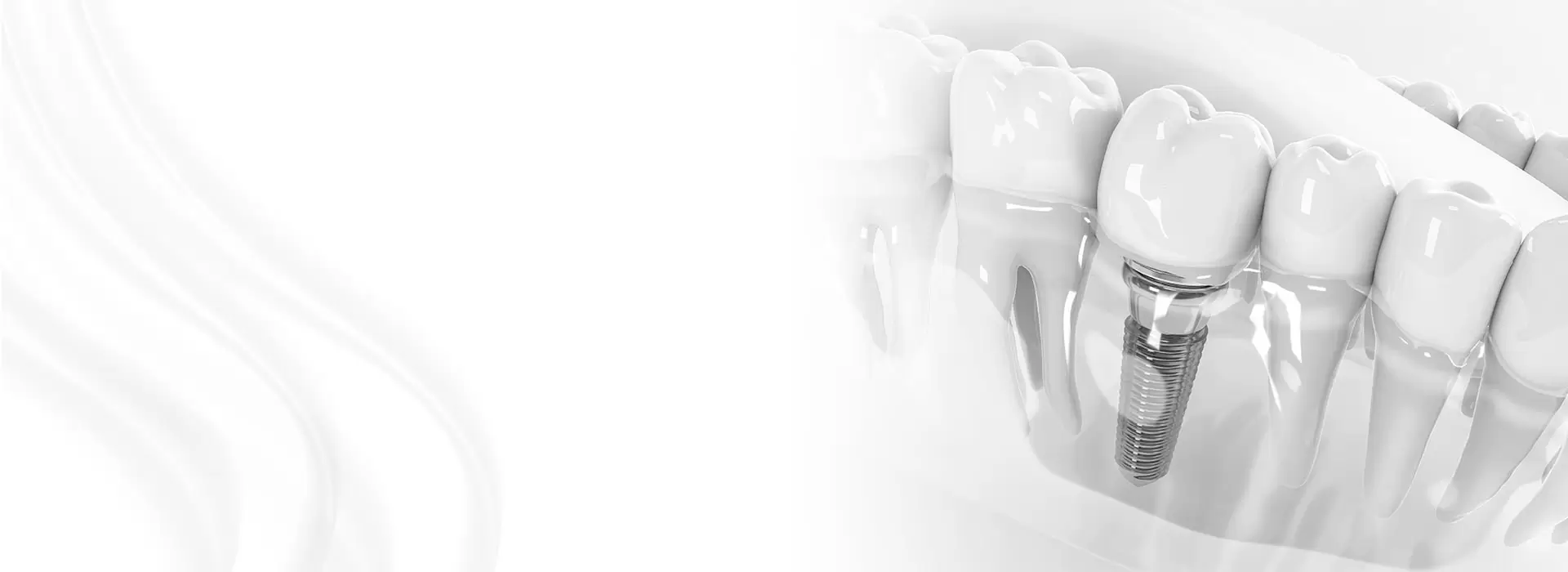
Implants involve surgery, bone integration, an implant fixture, an abutment, and a visible crown or bridge. These components may have different warranty periods. A failed implant caused by poor integration is not the same as a chipped implant crown, and the clinic should explain how each event is managed.
Clear aligners and whitening are commonly treated differently from permanent restorations. Aligner plans may include a limited refinement period rather than a traditional warranty. Whitening results naturally fade and can be affected by coffee, tea, red wine, smoking, and ageing. A smile makeover combining several procedures may therefore contain several separate warranty terms.
| Treatment |
Possible covered issue |
Common exclusions |
Important question |
| Veneers |
Defect, fracture, or bonding failure |
Grinding, trauma, unsuitable bite, poor hygiene |
Is replacement included, or only repair? |
| Crowns |
Material or fitting failure |
New decay, root problems, trauma, neglect |
Does the cover apply to the crown only? |
| Implants |
Failure of the implant component |
Smoking, poor bone healing, uncontrolled health conditions |
Are surgery, components, and travel covered? |
| Clear aligners |
Manufacturing issue or planned refinement |
Missed wear schedule or lost trays |
How many refinements are included? |
| Whitening |
Product or clinical support issue |
Normal fading and lifestyle staining |
Is a follow-up session included? |
Exclusions That Can Affect A Claim
The most important exclusions usually relate to patient behaviour and changes in oral health. A restoration may fall outside the warranty if you do not attend recommended reviews, fail to wear a prescribed night guard, use your teeth to open packages, or suffer an accident while playing sport.
Smoking and vaping can affect gum health and implant healing. Untreated periodontal disease, poor brushing, and heavy plaque accumulation can also undermine otherwise well-made cosmetic work. If a tooth requires root canal treatment after a crown is fitted, the warranty may not cover the additional endodontic treatment or the cost of replacing the crown.
Travel is another practical issue. A warranty might require an in-person examination in Izmir, with flights and accommodation paid by the patient. Some clinics may cooperate with an Australian dentist for an initial assessment, but this should never be assumed. Obtain written confirmation about emergency support, remote advice, and any reimbursement policy.
Before signing, keep these details together:
- The clinic’s full legal name and contact details
- The treatment plan and itemised quotation
- Material brands, laboratory details, and tooth numbers
- Warranty duration for every restoration or implant component
Also clarify these points in writing:
- Who pays for diagnosis, repairs, replacement, flights, and accommodation
- Whether Australian dental reports are accepted
- What happens if the clinic closes or the treating dentist is unavailable
- Which aftercare appointments are mandatory for continued cover
Checking Protection From Australia
Australian patients should remember that a Turkish clinic’s warranty is a contractual arrangement with an overseas provider. Australian Consumer Law may not automatically apply to a service supplied and performed in Turkey, and private health insurance extras commonly exclude planned overseas dental treatment. Medicare generally does not cover routine adult dental care, either in Australia or as a reimbursement for elective treatment abroad.
Ask your insurer before travelling, particularly if the plan involves implants or surgery. Overseas medical and travel insurance may exclude elective treatment, known dental conditions, complications, or corrective work following planned procedures. A standard policy that covers lost luggage is unlikely to cover a failed veneer or additional implant surgery.
After returning to Australia, a local dentist in Melbourne, Sydney, Adelaide, or another city may be able to assess discomfort or damage, but you would normally pay for that appointment. It is sensible to identify a dentist willing to provide post-treatment care before leaving Turkey. Australian dental fees can be substantial, so include possible review and repair costs in the full budget rather than comparing only the advertised package price.
A “cheap as chips” package is not necessarily good value if a complication requires urgent care at home. Look for clear communication, recognised materials, qualified clinicians, appropriate diagnostics, and a realistic plan for ongoing maintenance. The warranty is one part of quality assessment, not a substitute for it.
Building A Reliable Warranty Agreement
A trustworthy clinic should provide the warranty terms before treatment, not present them for the first time at the final appointment. The wording should be specific enough to explain what is covered, how long it lasts, and what evidence is needed. Vague promises such as “lifetime guarantee” need careful examination because they may refer only to a limited material defect.
Confirm whether the warranty is transferable, whether it remains valid if you have maintenance in Australia, and whether another dentist can perform minor repairs without ending the cover. Ask how quickly the clinic responds to a claim and whether there is a preferred communication channel for international patients.
You should also understand consent and suitability. A cosmetic dentist may recommend preliminary treatment for cavities, gum disease, bite problems, or worn enamel before placing veneers or crowns. Skipping that work can increase the chance of failure and may affect warranty eligibility. Personalised planning is particularly important when a package proposes treating many healthy teeth.
Arrange A Clear Consultation With TruDent Clinics
TruDent Clinics in Izmir provides cosmetic and general dental care, including veneers, crowns, teeth whitening, smile makeovers, invisible aligners, implants, emergency treatment, and botulinum toxin injections for selected cosmetic and jaw-related concerns. A consultation can help determine which procedures are suitable and whether preliminary treatment is needed.
Before travelling from Australia, ask TruDent Clinics for a personalised treatment plan and written warranty terms for each proposed procedure. Request details about materials, expected lifespan, exclusions, follow-up visits, and support if a problem develops after you return home. Schedule a consultation with the clinic so your treatment, costs, and aftercare arrangements are clear before you book your trip.