Your Izmir dental travel kit
Travelling to Izmir for dental treatment can add unfamiliar faces, currency changes and long transit days to an already sensitive experience. Choosing what should you pack in your dental travel kit for a trip to Izmir comes down to three needs: keeping your mouth comfortable in transit, managing a minor dental problem, and giving your Izmir dentist a clear record of your care.
A compact kit will not replace treatment, but it can prevent a forgotten prescription or damaged retainer from turning a holiday into a dental emergency. It should fit in your carry-on, remain useful during the flight, and cover the period between arrival and your appointment. If treatment is already planned, tailor the contents to the procedure rather than buying a generic supplies set.
| Travel situation |
Include in your dental travel kit |
Why it helps |
| Long-haul flight or connection |
Toothbrush, small toothpaste, floss, lip balm and saline spray |
Protects your mouth through long transit days |
| Sensitive teeth |
Desensitising toothpaste, fluoride rinse and suitable pain relief |
Reduces the impact of temperature changes during the flight |
| Braces, aligners or retainers |
Orthodontic wax, clean case and any spare elastics you have been given |
Keeps moving teeth and appliances comfortable |
| Planned treatment in Izmir |
Records, x-rays, medication list, insurer letter and clinic contacts |
Gives the dentist a clear basis for safe treatment |
| Minor dental discomfort |
Gauze, sterile saline sachets, cold pack and an emergency contact |
Provides short-term comfort while professional advice is arranged |
Build a compact oral-care pouch
Keep the everyday items in a clearly labelled, leakproof pouch that you can reach without unpacking. Include a soft toothbrush, fluoride toothpaste, floss or interdental brushes, and a travel-size alcohol-free mouthwash if you normally use one. Pack enough for the journey plus two or three days, since checked luggage can arrive late. Check your airline’s liquids rules before departure and keep any larger products in checked baggage.
Add items that match your dental situation: potassium-nitrate or prescription-strength fluoride toothpaste for sensitivity, an aligner or retainer case, orthodontic wax, sterile saline sachets, gauze, and a small reusable cold pack. These are useful after minor procedures or for a temporary problem, but they are not substitutes for professional care. Leave sharp dental instruments and unapproved DIY repair materials at home; a local dentist is the safer person to handle chipped teeth, crowns or fillings.
Plan for long-haul and transit days
Australians travelling from Sydney, Melbourne or Brisbane to Izmir commonly pass through Istanbul or another regional hub, so the kit belongs in your cabin bag. Keep medicines, retainers and a change of toothbrush with you even when checked bags are transferred between aircraft. A delayed connection can add a day, and a lost bag should not leave you without a way to brush, rinse or take prescribed medication.
Cabin air, coffee and an alcohol-heavy dinner can leave your mouth dry and sensitive. Rinse with water, use sugar-free gum if suitable, and drink from a refillable bottle; bottled water is easy to find at Turkish airports and stations. Turkey uses Type F electrical plugs, while Australia uses Type I, so a dual-voltage toothbrush charger or plug adaptor is useful. Avoid alcohol-containing mouthwash on a sore mouth, and clean your teeth gently before a long flight.
Bring medicines with clear labels
Pack only medicines you are already using or that a dentist or pharmacist has recommended for the journey. Depending on your health and planned treatment, this may include paracetamol/acetaminophen, an anti-inflammatory such as ibuprofen if suitable, oral rehydration salts, and any prescribed antibiotic. Bring enough for the original course plus a few days of delay, follow the label, and never take two products that contain the same active ingredient. A pharmacist can help create a clear dosing plan if several medicines are involved.
Australian travellers should keep medicines in their original packaging with the name, dose and instructions visible. Your dentist is registered with the relevant state or territory dental board, so ask for an English-language treatment summary and medication list before leaving Australia. Controlled drugs and certain injectables may require permits or additional documentation for entry into Turkey; check SmartTraveller and Turkish Ministry of Health guidance, and ask a travel-health professional before taking opioid, sedative or botulinum toxin medicines across the border.
Settle dental issues before you fly
Have a routine dental check four to six weeks before departure when time allows. Active decay, infection, a broken tooth, painful wisdom teeth or an unresolved dental injury should be assessed before flying, because sleep disruption and limited access to your usual dentist can make symptoms harder to manage. If you are due for major restorative work, ask your dentist to coordinate dates so there is enough recovery time before a long-haul flight.
Ask for a written plan that lists the proposed procedure, likely downtime, follow-up visits, estimated costs and what happens if you must return home early. Medicare generally does not cover elective dental treatment overseas, and many Australian private policies have waiting periods or overseas exclusions, so confirm cover in writing before committing. Request an itemised quote and clarify the exchange rate, deposit, refund policy and warranty for items such as crowns, veneers or implants.
Prepare for your appointment in Izmir
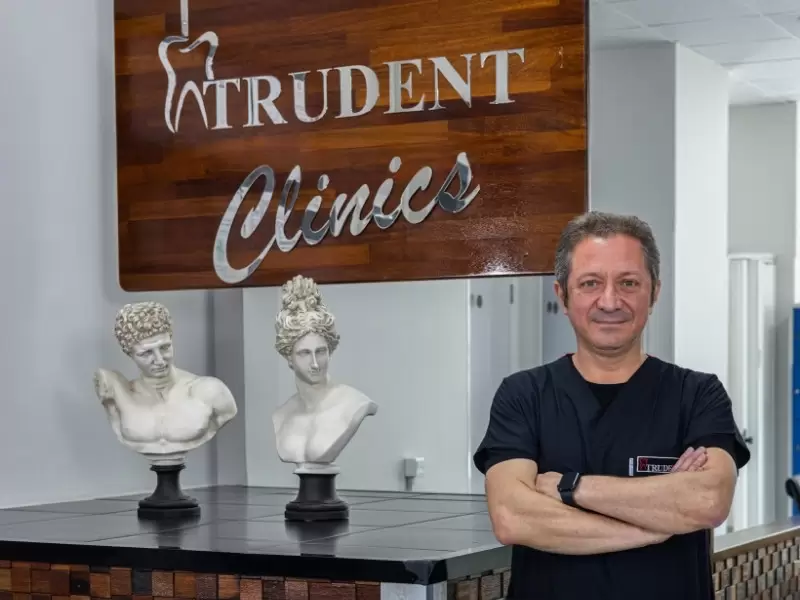
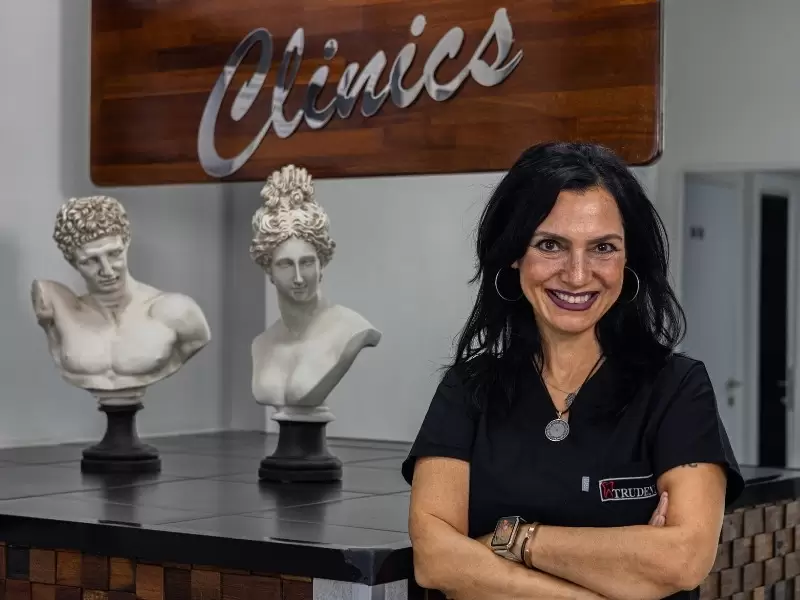
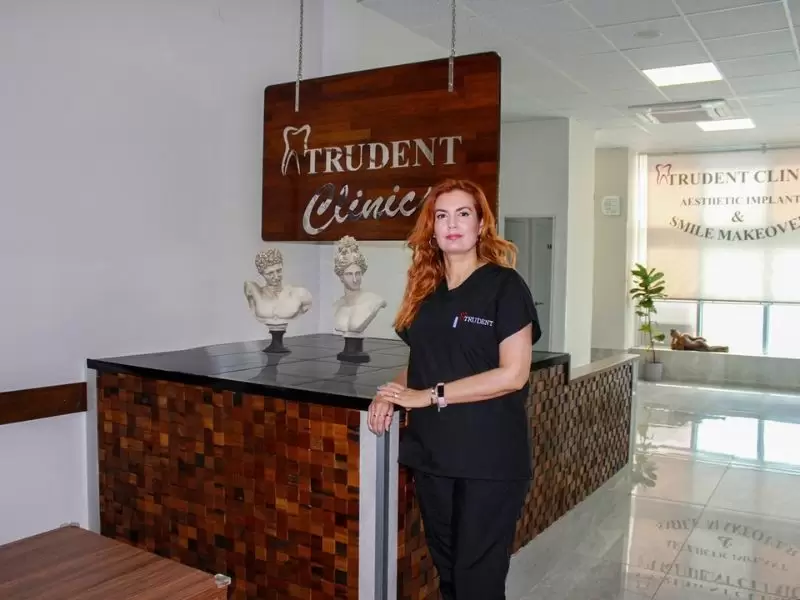
Before leaving Australia, contact TruDent Clinics with your itinerary, treatment interests and dates. Review the clinic’s Izmir travel guide for practical information about travel and treatment in the city, then request airport or hotel transfers if needed. Arriving with the clinic’s daytime contact details, an address saved in your phone and an appointment confirmation removes avoidable stress, especially if language or timing becomes an issue.
Create a clinical packet containing your medical history, allergies, current medicines, recent x-rays, prior treatment records and relevant warranties. Tell the dentist about blood thinners, bisphosphonates, pregnancy, allergies or a history of healing problems; do not stop prescribed medicine unless the treating clinician advises it. At the consultation, confirm who to call after hours, how pain and swelling will be managed, whether you can leave Turkey on schedule, and what written aftercare instructions you will receive.
Handle everyday life in Izmir
Build your daily routine around the treatment rather than the tourist itinerary. If you receive anaesthetic, numbness or a temporary crown, choose soft, cool food and avoid chewing on the treated side until your dentist says it is safe. Turkish meals may feature bread, tea, sweets and shared dishes, so rinse after meals, brush with your usual fluoride toothpaste twice daily, and keep floss handy. Follow the clinic’s advice on bottled versus tap water while any wound is healing.
Izmir’s central shops, pharmacies and clinics commonly accept cards, but keep some Turkish lira for small vendors, taxis and market purchases; use a bank ATM rather than an informal currency exchange. Turkish pharmacies may sell useful over-the-counter products, though imported brands can cost more and availability is not the same as in Australia. Check active ingredients rather than relying on a familiar brand name, and do not buy antibiotics without a prescription. Save the clinic’s number offline and arrange a reliable ride if swelling or mobility affects your balance.
Contact the clinic before you travel
Put an emergency pathway in your phone before departure. Seek urgent dental assessment for worsening swelling, fever, persistent bleeding, severe pain not controlled by your agreed medicines, or difficulty swallowing or breathing; breathing difficulty requires emergency care immediately. Your emergency note should include diagnoses, allergies, medicines and the treating dentist’s number, while digital copies of records and receipts make communication with an insurer or another dentist easier.
Contact TruDent Clinics before you fly and ask for a procedure-specific packing list based on your treatment, health history and itinerary. A planned visit in Izmir becomes far more manageable when your carry-on bag, medication labels, clinical records and aftercare contact details are ready. Arrange the consultation with those essentials in place, and you can focus on the treatment and the journey rather than preventable dental hassles.