What to Ask Your Dentist About Digital Smile Design Results
Digital Smile Design (DSD) can make a cosmetic dentistry consultation feel far more tangible. Instead of relying on verbal descriptions, you may see a digital simulation of how veneers, crowns, whitening, aligners or reshaping could alter your smile. This preview can help you discuss tooth proportions, gum display and the overall character you want before treatment begins.
A digital image, however, is a planning tool rather than a promise of the final result. The appearance of your teeth after treatment depends on your facial structure, enamel, gum health, bite, materials, laboratory work and how accurately the plan is transferred to your mouth. Asking precise questions helps you understand what can realistically be achieved and whether the proposed treatment suits your long-term oral health.
How Accurate Is The Digital Preview?
Ask your dentist how the DSD simulation was created and which records were used. A reliable plan may combine photographs, facial scans, intraoral scans, digital impressions, X-rays and measurements of your bite. If the preview was based on limited photographs or generic tooth shapes, it may provide a less dependable representation of the finished smile.
You can also ask whether the image shows the likely clinical result or an aspirational design. Digital software can make teeth appear perfectly aligned, exceptionally bright or larger than the proportions that would be comfortable in real life. Find out whether the proposal accounts for your lips at rest, your natural smile line, gum levels and how much tooth is visible when you speak.
Ask to see examples of patients with similar facial features, tooth wear, gum exposure or bite concerns. Before-and-after images from the clinic can be useful, but they should be viewed critically. Lighting, camera angles and digital retouching can change the apparent outcome. A reputable dentist should explain what was achieved through treatment rather than allowing the software image to create unrealistic expectations.
Which Parts Are Predictable And Which May Change?
Your dentist should distinguish between features that are relatively predictable and those that may vary. Tooth colour can be influenced by the selected ceramic, the shade of your underlying teeth and the lighting used to assess the result. Gum symmetry may require periodontal treatment or contouring, and small differences in healing can affect the final appearance.
Ask whether the design has been tested with a temporary mock-up or trial smile. A mock-up placed over your existing teeth can help you assess tooth length, shape, speech and lip support before permanent veneers or crowns are made. You should be able to look at the result from different angles and discuss whether the teeth feel too prominent, narrow, square or bright.
It is also sensible to ask how the final restorations will be matched to the approved design. Will the dentist use a printed guide, a digital workflow, a temporary restoration or a laboratory wax-up? Clarify who approves the tooth shape and colour at each stage, and whether changes are possible before the permanent work is bonded or cemented.
Patients considering smile makeover consultation can use the appointment to raise these points early, rather than waiting until the preparation or fitting visit. A careful discussion at the start gives you time to understand the sequence and make an informed decision.
Does The Design Protect My Natural Teeth?
One of the most important questions is how much healthy enamel must be removed. Some veneer treatments require minimal preparation, while others may involve more extensive reshaping. Ask why preparation is necessary in your case, whether an additive approach is possible, and what would happen if you chose no treatment or a less invasive alternative.
Aesthetic goals should be considered alongside cavities, cracks, gum disease, enamel erosion and tooth sensitivity. If these issues are present, they may need attention before cosmetic work begins. Ask whether you need a full examination, periodontal assessment, bite analysis or X-rays before the DSD plan is approved.
Discuss how the proposed result will affect chewing and tooth contact. Teeth that look attractive in a photograph may cause problems if they interfere with your natural bite. Ask whether you grind or clench, whether you may need a night guard, and how the plan accommodates existing restorations, missing teeth or an uneven jaw relationship.
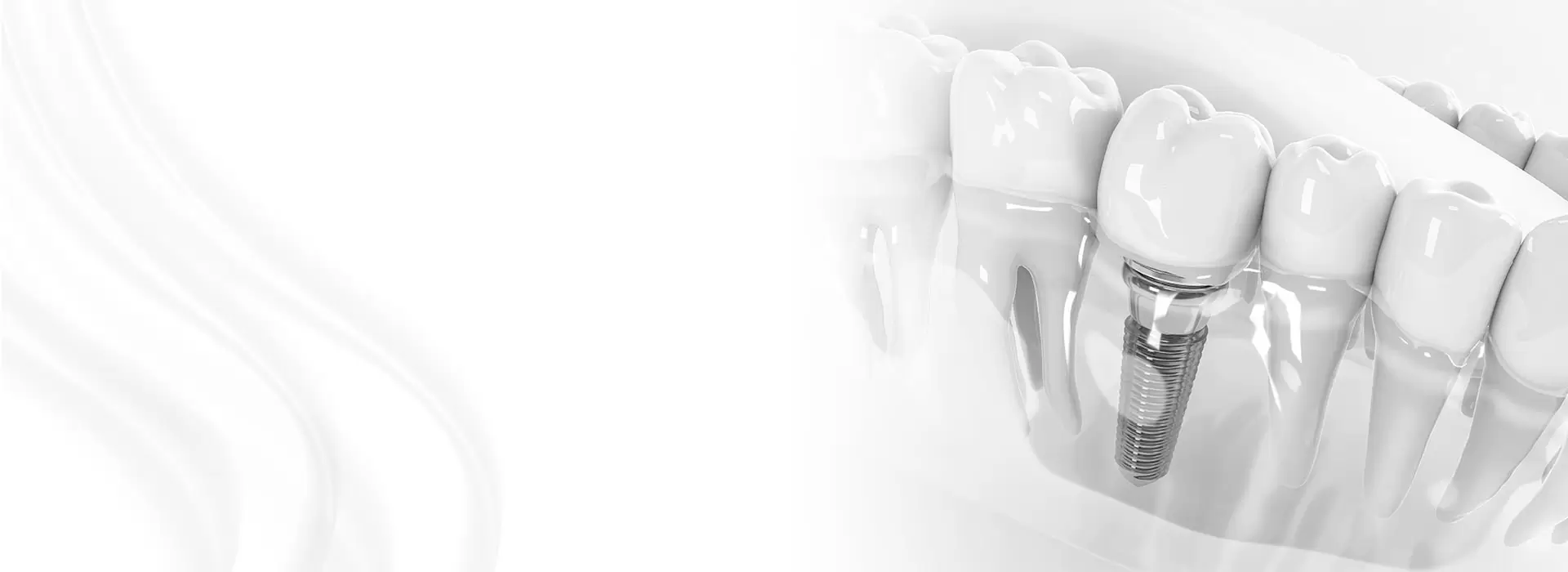
This is especially relevant when combining treatments such as implants, crowns, aligners and veneers. The order of care can affect the outcome. For example, orthodontic movement may be preferable before placing restorations, while implant positioning should be planned alongside the intended smile line and tooth proportions.
What Materials, Timeframes And Costs Are Involved?
Ask exactly which teeth are included in the DSD proposal and what treatment each tooth requires. A plan may involve porcelain veneers, composite bonding, ceramic crowns, whitening, gum reshaping or clear aligners. These options have different lifespans, maintenance needs, preparation requirements and costs, so a single total price may not explain enough.
Request a written breakdown in Australian dollars if you are comparing treatment in Turkey with care at home. Australian patients often use private health insurance extras for eligible dental services, although cosmetic procedures may have limited or no cover and annual limits can apply. Medicare generally does not cover routine adult dental treatment, so confirm what you would pay personally rather than assuming the digital plan is an insured benefit.
If you are travelling from Sydney, Melbourne, Brisbane or Perth to Izmir, ask how many visits are needed and how long you should remain locally after each stage. Include flights, accommodation, transfers, time away from work and the cost of follow-up care in your comparison. A lower quoted treatment fee may not represent the lower overall cost once travel and aftercare are included.
Clarify whether the quote includes scans, temporary teeth, laboratory fees, anaesthesia, adjustments, retainers and reviews. Ask what happens if the final result differs from the approved preview or if a restoration requires remake. A written treatment plan should state the material, tooth numbers, stages, payment schedule and any exclusions in language you can understand.
How Will My Smile Be Maintained Over Time?
Ask how long the proposed result is expected to last and what may shorten its lifespan. Porcelain veneers and crowns can be durable, but they are not indestructible. Bruxism, nail biting, opening packages with your teeth, contact sport injuries and a high-acid or high-sugar diet can contribute to chipping, wear or debonding.
Find out what daily care is recommended. Most patients still need regular brushing with fluoride toothpaste, interdental cleaning and professional check-ups. If you have veneers or crowns, ask whether a particular electric toothbrush head, flossing technique or mouthguard is advised. A dentist should also explain whether whitening products will affect natural teeth differently from ceramic restorations.
Discuss the review schedule after treatment and how remote follow-up works if you return to Australia. Ask whether the clinic can provide digital records, laboratory details and photographs for your local dentist. This information can be valuable if you need an adjustment in Adelaide, Canberra, the Gold Coast or another Australian city.
You should also ask what is covered by the clinic’s guarantee and what conditions apply. A guarantee may exclude damage caused by trauma, untreated grinding, missed reviews or poor oral hygiene. Understanding these terms before treatment helps you plan routine care and avoid confusion if a problem develops years later.
A strong DSD consultation should leave you with more than an attractive computer image. You should understand the health assessment, the proposed materials, the limits of the preview, the number of appointments, the maintenance involved and the full financial commitment. Take photographs or written notes if helpful, and ask for time to consider the plan before agreeing to irreversible treatment.
TruDent Clinics in Izmir can assess your smile goals and develop a personalised plan covering cosmetic and general dental needs. Arrange a consultation to review your digital design, discuss suitable treatment options and receive a clear explanation of the stages, costs and aftercare involved.