How many veneers do you need for the smile you want
Choosing the number of veneers is less about following a standard package and more about matching treatment to your smile, bite and long-term dental health. Some people need only one or two veneers to repair visible damage, while others consider a broader smile makeover across six, eight or more teeth.
The right plan should be based on an examination, photographs, bite assessment and a discussion about your expectations. For Australians considering treatment in Izmir, it is also important to plan travel, follow-up care and the responsibilities of both the overseas clinic and your local dentist.
What veneers actually cover
A veneer is a thin covering bonded to the front surface of a tooth. It can improve the appearance of discolouration, small chips, uneven edges, mild shape differences and some spacing concerns. Porcelain and composite veneers have different properties, so the material, tooth condition and desired result all affect the recommended number.
The visible teeth are usually the starting point. If you show only the front six teeth when smiling, treating those teeth may create a balanced result. However, a wider smile can reveal premolars at the sides. Veneering too few teeth may create a noticeable change in shade or shape between treated and untreated teeth, particularly in bright Australian sunlight or high-resolution photographs.
The number should also reflect what you want to change. A single damaged incisor may need one veneer, while a patient seeking a uniform colour, altered tooth proportions and a broader smile may require several. The aim is a natural transition rather than treating every tooth simply because it is technically possible.
Your smile goals shape the treatment area
Your usual smile, lip movement and facial proportions matter as much as the teeth themselves. A dentist may assess how many teeth appear when you speak, laugh and smile naturally, rather than relying only on a posed photograph. This helps determine whether two, four, six or more veneers will give an even visual result.
Some patients want a subtle correction that leaves most of their natural characteristics intact. Others are seeking a more noticeable cosmetic change after years of staining, worn edges or irregular tooth shape. Discuss the preferred brightness, tooth length, surface texture and degree of symmetry before deciding on a final design.
Everyday habits can also influence the plan. Frequent coffee or tea, red wine, smoking and strongly coloured foods may affect the surrounding natural teeth over time, even when porcelain veneers remain relatively stain resistant. In cities such as Melbourne, Sydney and Brisbane, busy routines can make a dramatic colour change appealing, but the shade should still suit your complexion and existing teeth.
A digital smile preview or temporary mock-up may help you judge the proposed width and length before treatment. It cannot replace clinical assessment, yet it can reveal whether the design feels too uniform, too bright or too prominent when you speak and smile.
Dental health and bite come first
Veneers are cosmetic restorations, so they should be placed on teeth that are healthy enough to support them. Untreated decay, gum disease, enamel damage, active grinding or a cracked tooth may need attention before cosmetic work begins. In some cases, whitening, orthodontic alignment, a filling or gum treatment can reduce the number of veneers required.
Your bite is another key consideration. If your teeth meet heavily, if you clench at night or if your jaw feels sore, veneers may be exposed to excessive force. A dentist may recommend a night guard, bite adjustment or an alternative restoration. Botulinum toxin injections may be discussed for selected jaw-related concerns, but these are separate from veneer treatment and require individual assessment.
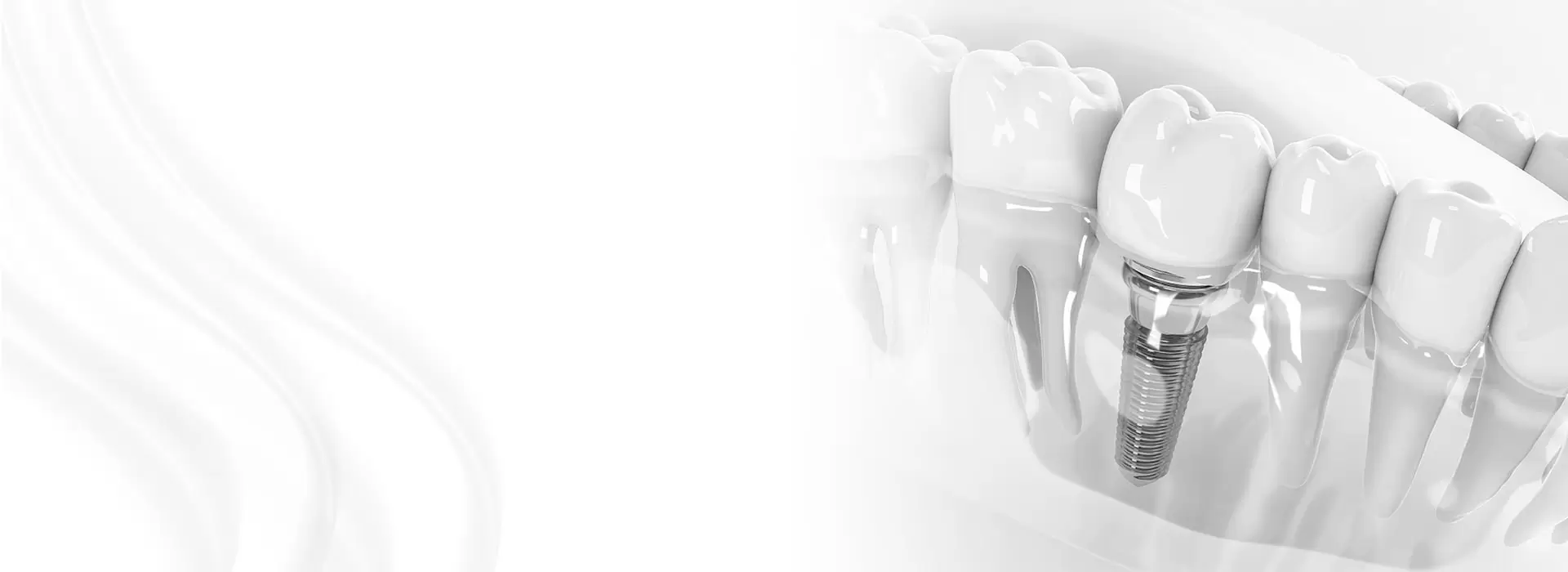
Existing crowns, large fillings and missing teeth can change the plan. A tooth with limited natural structure may be better suited to a crown, while a missing tooth may require an implant or bridge rather than a veneer. Treating the visible teeth without addressing an underlying bite or structural problem can create an attractive short-term result that is difficult to maintain.
Your age and future dental needs should be considered as well. Veneers are not permanent, and replacement may be required later. A conservative approach can preserve options for future treatment and avoid removing healthy tooth structure unnecessarily.
Planning treatment between Australia and Izmir
Many Australian patients compare local treatment with care in overseas dental markets, including clinics in Izmir. Price is only one part of that comparison. Add flights from cities such as Perth, Adelaide or Canberra, accommodation, time away from work, travel insurance and the cost of returning for an adjustment if needed.
Australian private health extras commonly provide limited or no cover for elective cosmetic veneers, and Medicare generally does not cover routine cosmetic dental treatment. Check your policy rather than assuming that a dental benefit will apply. Ask the clinic for a written treatment plan that separates clinical fees from laboratory work, temporary restorations, scans and any additional procedures.
Before travelling, request the proposed number of veneers, material, laboratory details, preparation approach and aftercare instructions. Confirm how many visits are expected and how long you should remain in Turkey between appointments. A reputable clinic should explain alternatives and should not pressure you into treating more teeth than your examination supports.
Australian dental practitioners operate within a regulated professional environment, with registration through the Australian Health Practitioner Regulation Agency. If you return home with a concern, an Australian dentist can assess you, but the overseas clinic may remain responsible for reviewing or correcting its own work. Clarifying communication channels, records and follow-up arrangements before departure can prevent confusion.
Protecting comfort and results after treatment
Temporary sensitivity or gum tenderness can occur after veneer preparation, particularly when several teeth are treated together. Follow the clinic’s instructions about brushing, flossing, food texture and pain relief. If you are also having extractions or other procedures during a broader dental trip, read guidance on managing post-extraction pain and keep the clinic’s emergency contact details accessible.
Veneers can chip or debond if used to open packaging, bite fingernails, chew ice or crack hard foods. People who grind or clench may need a custom night guard. Regular check-ups and professional cleaning help monitor the margins, gums and underlying teeth, while daily brushing with fluoride toothpaste and careful interdental cleaning support oral health.
The number of veneers may affect how easy it is to maintain a consistent appearance over time. If one veneer is damaged, replacing a single unit may be straightforward when the surrounding teeth have been planned carefully. A very broad treatment can make future shade matching and repairs more complex.
Allow time for the result to settle before judging minor changes in speech or bite. If a veneer feels high, sharp or uncomfortable, contact the treating dentist rather than trying to adjust it yourself. Prompt review is especially important if you develop persistent pain, swelling, bleeding or sensitivity.
Build a practical planning checklist
A useful consultation should cover your clinical needs, cosmetic preferences and practical circumstances. Take clear photographs of smiles you like, but treat them as references rather than exact templates. Tooth shape, skin tone, lip movement and facial proportions mean that another person’s result may not suit you.
Before consenting, make sure you understand what is included and what happens if the plan changes after examination. These points are particularly useful to record:
- The proposed number and position of veneers
- The material, shade and laboratory process
- Any fillings, gum treatment or bite care needed first
- The expected number of appointments and recovery time
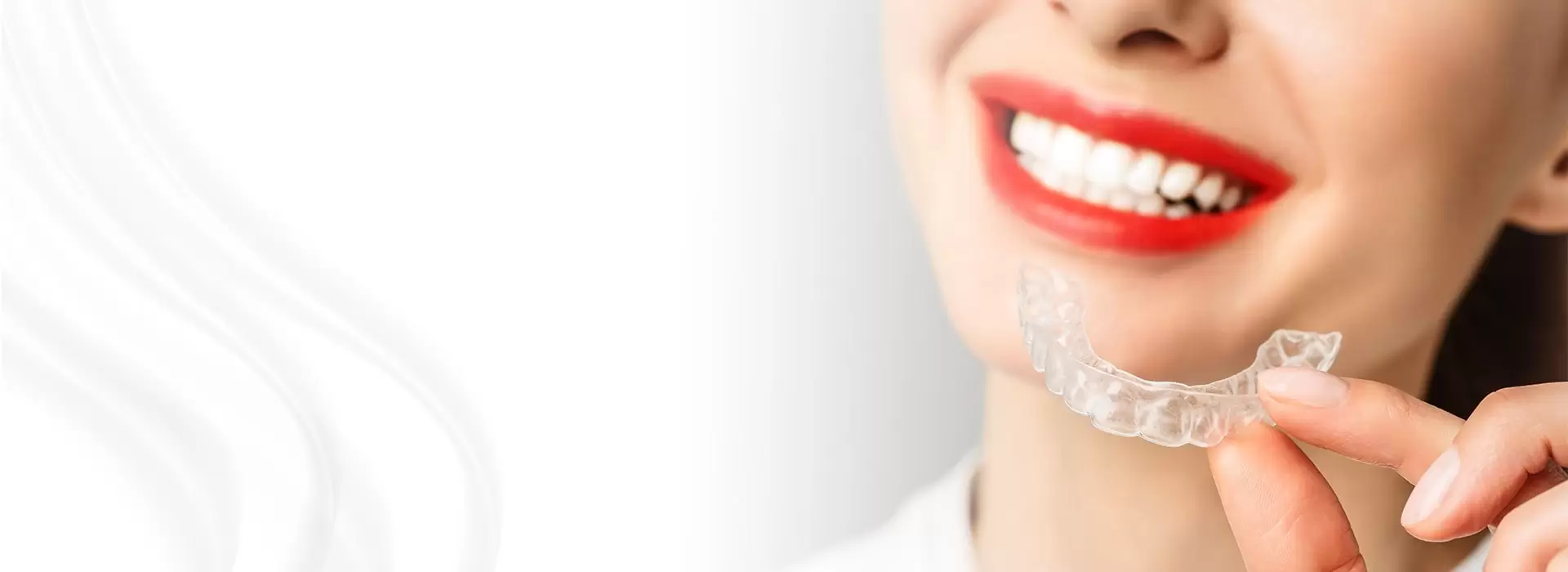
Ask for an explanation of alternatives, including whitening, bonding, aligners, crowns or treating fewer teeth. Invisible aligners may improve crowding before cosmetic treatment, while whitening may make limited veneers blend more naturally with untreated teeth. The most suitable option may involve combining treatments rather than placing veneers everywhere.
Also clarify the practical details before booking flights or making a deposit:
- The total estimate in Australian dollars where possible
- What happens if a veneer chips or needs adjustment
- Who provides follow-up care after you return home
- Which records and warranty terms you will receive
A consultation with TruDent Clinics in Izmir can help determine whether you need a small number of veneers or a wider smile makeover. The final recommendation should follow an examination and a personalised plan, with your natural teeth, bite, budget and travel schedule all taken into account.
Book a consultation before committing to a number, and use the appointment to review your smile goals, treatment alternatives and long-term care plan. A carefully planned result should make your smile look balanced while protecting the health and function of the teeth beneath it.