What to Do About a Missing Tooth While You Wait for an Implant
Losing a tooth can affect much more than your smile. A gap may make chewing uncomfortable, alter the way nearby teeth meet, and leave you feeling self-conscious at work, in photos or during everyday conversations. If an implant is planned but cannot be placed immediately, a temporary solution can protect your mouth and help you feel more comfortable.
The right option depends on the location of the missing tooth, the condition of your gums and jawbone, your general health, and how long healing is expected to take. Some people need a bone graft before implant surgery, while others require time for an extraction site to settle. Your dentist can explain which temporary replacement is suitable during this period.
In Australia, many patients arrange treatment around work, family commitments and travel between cities such as Sydney, Melbourne, Brisbane and Perth. Private dental fees and health-fund benefits vary considerably, and adult dental treatment is usually not covered by Medicare. Checking waiting periods, annual limits and major dental cover before treatment can prevent unexpected costs.
If you are considering implant treatment overseas, plan the full course of care rather than focusing only on the surgery price. Ask how temporary teeth, scans, follow-up appointments and complications will be managed after you return home. A clear treatment plan from a qualified clinic, such as TruDent Clinics in Izmir, can make the process easier to organise.
Protect The Gap And Your Gums
A missing tooth leaves nearby teeth without the support they previously received. Over time, adjacent teeth may tip into the space, while the opposing tooth can move down or up into the gap. These changes may complicate future implant placement and affect your bite.
Good oral hygiene is especially important while you wait. Brush twice daily with fluoride toothpaste and clean carefully around the extraction area or temporary appliance. An interdental brush or water flosser may help remove food, although you should follow your dentist’s instructions if the site is still healing.
Avoid using the gap to tear packages, crack nuts or bite hard foods. If the missing tooth is at the front, softer foods may be more comfortable during the first few days after extraction. Smoking can slow healing and increase the risk of gum problems, so reducing or stopping is strongly advisable before implant treatment.
Contact a dentist promptly if you develop increasing swelling, severe pain, pus, fever, a bad taste, uncontrolled bleeding or numbness. These symptoms may indicate infection or another problem that should be assessed rather than managed with painkillers alone.
Temporary Options For Eating And Speaking
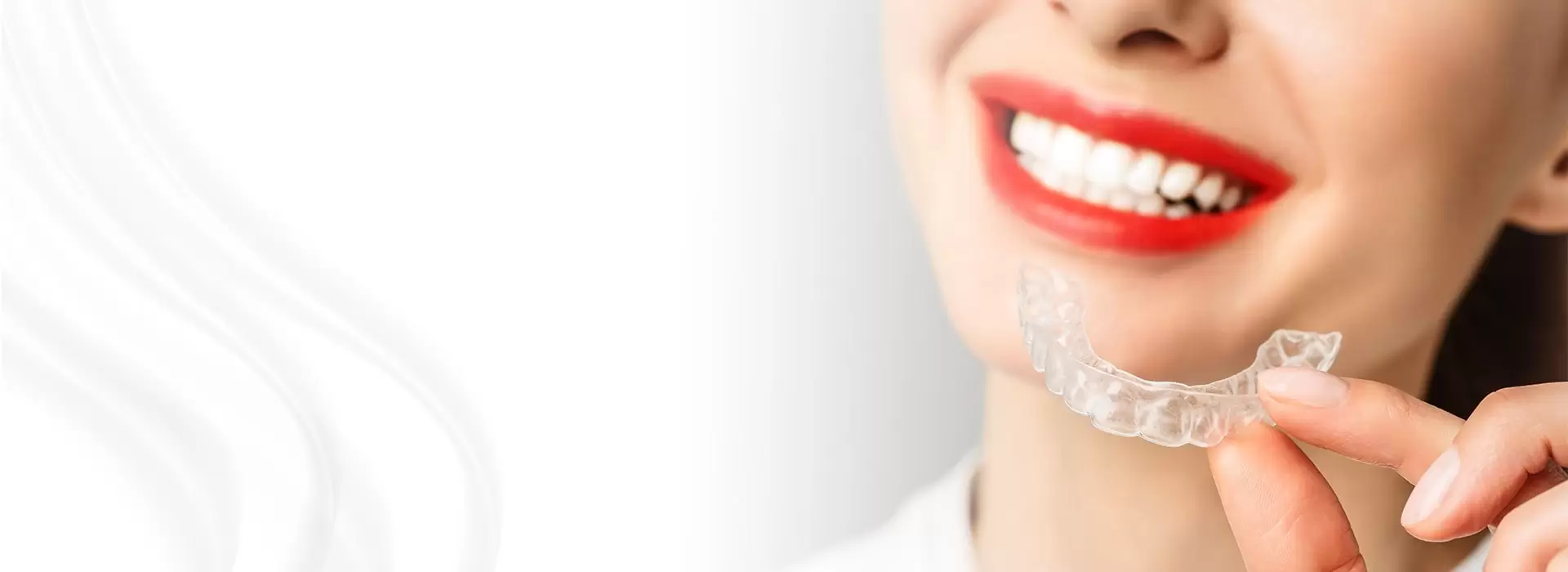
A removable partial denture, sometimes called a flipper, is a common short-term replacement. It uses a small acrylic tooth that rests against the gums and may attach to neighbouring teeth. It can improve appearance and speech while the extraction site heals, although it should be removed for cleaning and, in many cases, overnight.
A resin-bonded bridge can be another option, particularly for a front tooth. It uses a replacement tooth supported by a slim wing bonded to the back of an adjacent tooth. This approach usually requires little or no drilling, but the bridge can loosen if you bite hard or use the tooth to open objects.
A conventional dental bridge may be recommended when the neighbouring teeth already have large fillings or crowns. It replaces the missing tooth with a false tooth connected to crowns on the teeth beside it. It is more secure than some removable appliances, but healthy supporting teeth generally need to be prepared.
In selected cases, an immediate temporary crown or temporary implant-supported tooth may be possible. This is not suitable for everyone, especially where there is infection, insufficient bone or a high risk of heavy biting. Your dentist should explain whether immediate placement, delayed placement or staged treatment offers the safest result.
| Temporary solution |
Common benefits |
Points to consider |
| Removable partial denture |
Usually affordable, quick to provide and easy to adjust |
Can move during eating and needs regular cleaning |
| Resin-bonded bridge |
Natural-looking and often requires minimal preparation |
May detach under heavy biting or pressure |
| Conventional bridge |
Fixed in place and can restore chewing efficiently |
Neighbouring teeth usually need preparation |
| Temporary implant tooth |
Can provide early support and appearance in selected cases |
Requires suitable bone, gum health and careful clinical assessment |
Make The Waiting Period More Comfortable
A temporary tooth should feel stable enough for normal daily activities, but it may not feel exactly like a natural tooth. Mild awareness is common at first. If it rubs your gum, affects your speech, feels too high when you bite or repeatedly comes loose, arrange an adjustment rather than filing or bending it yourself.
Clean removable appliances over a basin filled with water or a folded towel. This reduces the chance of breakage if they slip from your hands. Use a soft brush and the cleaning product recommended by your dentist. Ordinary toothpaste can be abrasive and may scratch some acrylic surfaces.
Do not sleep in a removable appliance unless your dental professional specifically advises it. Gums need time without pressure, and the appliance needs to be cleaned and allowed to dry safely. Store it in water or an appropriate cleaning solution, following the manufacturer’s instructions.
For people living in Australia, appointments may need to fit around long travel distances, regional access and public-holiday closures. Keep your temporary tooth and dental records available if you travel from Adelaide to Melbourne, move between Brisbane and the Gold Coast, or return to Australia after treatment abroad. A written summary, implant system details and recent scans can help another dentist provide timely care.
Prepare Properly For Implant Placement
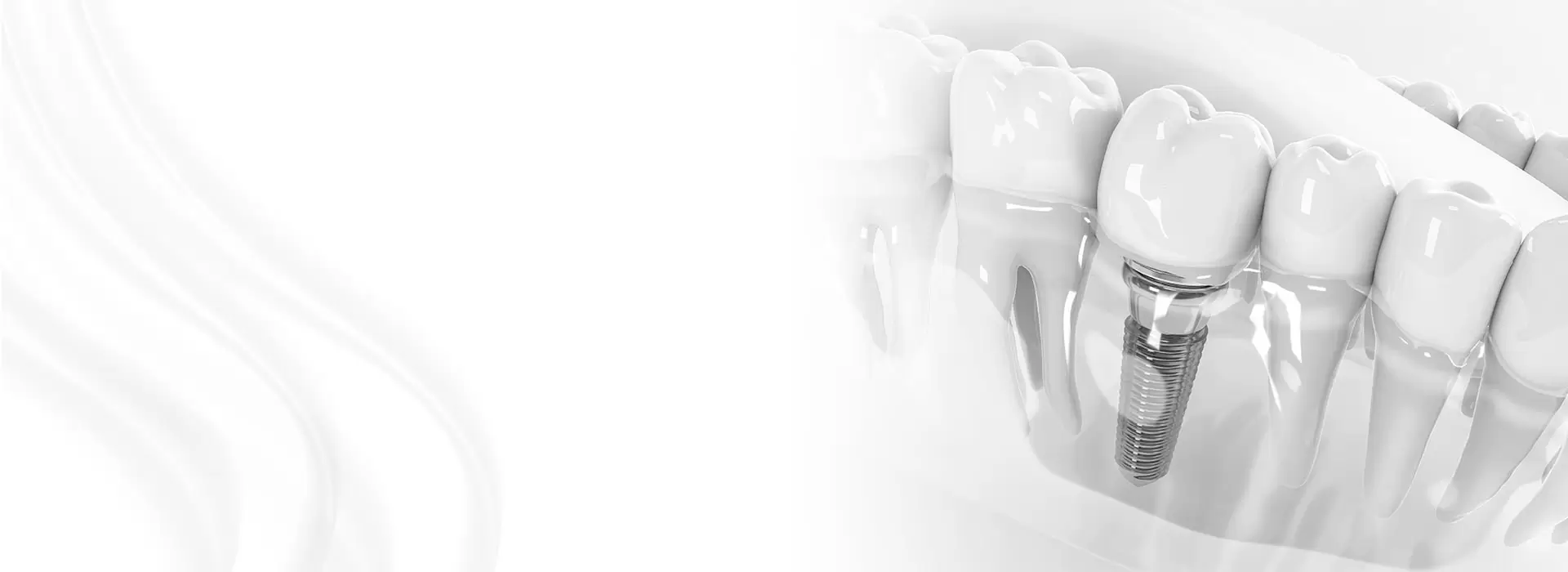
Implant treatment usually involves placing a titanium or ceramic fixture into the jawbone, allowing it to integrate, and then attaching an abutment and crown. The timeline varies. A straightforward case may progress within several months, while bone grafting, gum treatment or a difficult extraction can extend the process.
Before surgery, your dentist may arrange X-rays or three-dimensional imaging to assess bone volume, nerves and neighbouring roots. Tell the clinical team about diabetes, osteoporosis medication, blood-thinning medication, allergies, pregnancy, smoking and any previous problems with dental implants. These factors can affect healing and treatment planning.
Avoid booking important events immediately after surgery. Swelling, bruising and tenderness may last for several days, and the temporary tooth may need adjustment. If treatment is completed overseas, ask how many days you should remain locally, who will handle urgent reviews, and whether the clinic provides a formal aftercare pathway once you return to Australia.
Australian patients should check that any local dentist involved in their care is registered with the Australian Health Practitioner Regulation Agency. Advertising and professional standards apply to registered practitioners, but patients still need to check what is included in a quoted fee. Confirm whether scans, grafting, temporary teeth, medications, implant components and follow-up visits are separate charges.
Compare Care Before You Commit
A low initial price does not always represent the lowest total cost. Ask for a written plan showing the diagnosis, proposed implant brand, number of visits, temporary replacement, expected healing time and final restoration. You should also receive information about possible risks, alternatives and what happens if the implant does not integrate with the bone.
If you plan to have the procedure in Turkey, ask whether your records will be provided in English and whether the clinic can communicate directly with your Australian dentist. Confirm the qualifications and experience of the treating clinicians, the laboratory responsible for the crown, sterilisation procedures and emergency contact arrangements.
Australian private health insurance policies may classify implants, crowns and bridges differently. Some policies impose waiting periods for major dental services, and annual benefit limits can apply. Contact your insurer before making non-refundable travel arrangements, as overseas dental treatment may not be covered even when a similar procedure would attract a domestic benefit.
The Australian Therapeutic Goods Administration regulates many medical devices, but regulation does not mean every overseas treatment is automatically covered by Australian insurance or follow-up services. Keep invoices, implant passports, scan files and treatment notes. These documents are useful if you need maintenance or assessment in Australia later.
A temporary replacement should be chosen with the final implant result in mind. At TruDent Clinics, a consultation can assess the missing tooth, review your scans and create a personalised plan covering temporary care, implant placement and the final crown. Schedule a consultation before travelling or beginning treatment so you know how to protect the area, what the timeline may involve and which costs to expect.