When dental work triggers an allergic reaction: what to do and who to call
Most people sit in the dental chair expecting a bit of pressure, some unusual sounds, and perhaps mild soreness afterwards. Few expect itching, swelling, or a rash around the mouth where a new filling, crown, or implant has been placed. Yet reactions to dental materials, although uncommon, do occur, and they can range from mild irritation to situations that need urgent medical attention. Recognising what is happening and acting quickly is the difference between a small inconvenience and a prolonged course of treatment.
Australia's dental system runs largely through private clinics, with rebates available through extras cover from funds such as Bupa, Medibank, HCF, and NIB. Public dental services exist for Health Care Card holders and children through schemes like the Child Dental Benefits Schedule, but waiting lists can stretch many months. Because follow-up visits often sit with the treating clinician rather than a hospital team, patients benefit from knowing the practical steps to take if their body reacts to a material placed by the dentist.
The Therapeutic Goods Administration oversees the safety of dental materials supplied across the country, but individual sensitivity cannot always be predicted. Patients in regional communities, where the nearest allergist may be a few hours' drive away, face extra considerations when symptoms appear between appointments. The guidance below walks through how to spot a reaction, what to do at home, and which professionals to contact when an allergic response to dental work becomes more than a passing irritation.
Recognising the early signs of a dental material reaction
A reaction to a dental material does not always arrive the moment the dentist finishes a procedure. Some symptoms show within hours, others creep in over weeks as the immune system gradually responds to a new substance in the mouth. The first clues often appear inside the cheeks, along the gum line, or on the tongue where the material is in direct contact with soft tissue.
Common early signs include redness, swelling of the lips or inner cheeks, a burning sensation that does not fade, or small blisters on the gums. Some people notice a metallic taste that lingers, or a sudden sensitivity to hot and cold drinks that feels different from ordinary post-treatment discomfort. Reactions to anaesthetic injections, latex gloves, or impression putty may also show up as tingling, hives around the face, or difficulty breathing, which signals a more urgent scenario.
It helps to distinguish between a true allergic response and the normal healing process. Tenderness that fades after a few days, slight gum soreness around a new crown, or brief sensitivity after a filling are typical. Persistent itching, spreading redness, or rashes that appear on the hands and chest tend to point toward a systemic reaction that warrants a phone call to the clinic.
Materials most often linked with allergic responses
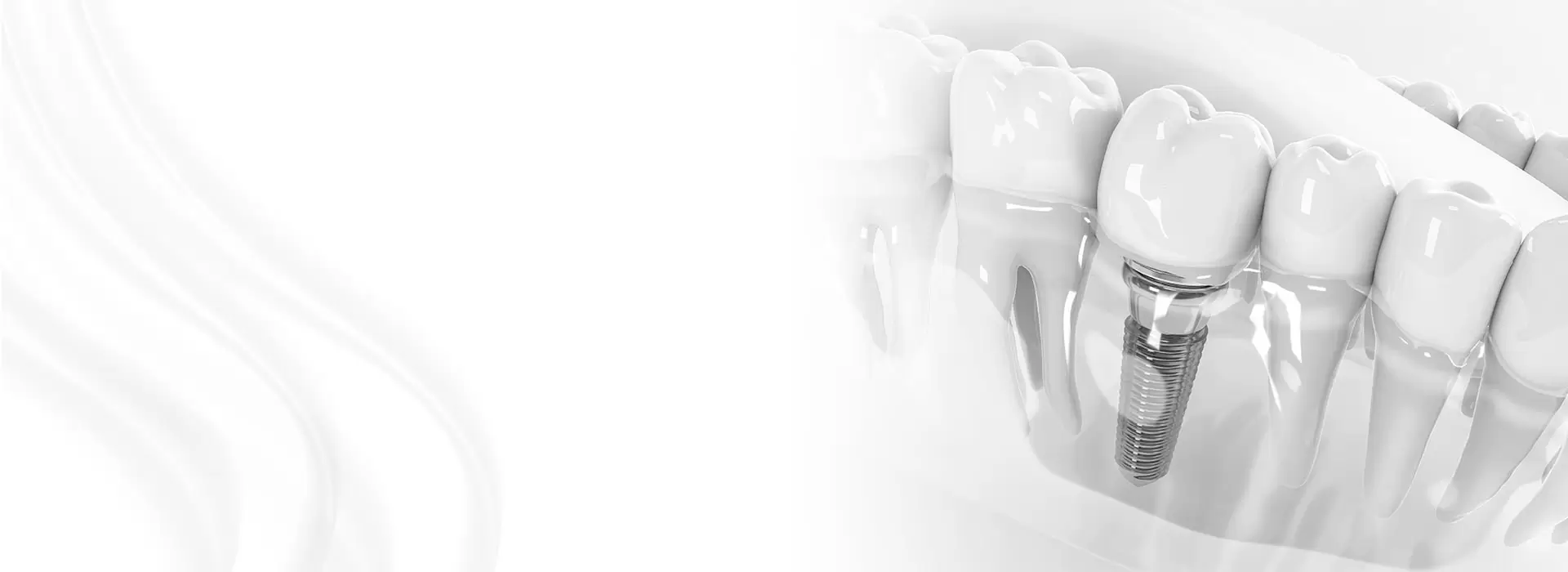
Not every dental product carries the same level of risk. Metals used in crowns, bridges, and partial dentures, including nickel, chromium, cobalt, and beryllium, are responsible for a meaningful share of contact allergies. Titanium implants are widely considered biocompatible, yet a small group of patients still report sensitivity, especially where traces of other metals are present in the alloy.
Acrylic and composite resins can trigger reactions in people sensitive to methacrylate monomers, which appear in bonding agents, denture bases, and some filling materials. Latex gloves, rubber dam sheets, and certain polishing pastes remain a concern for anyone with a known latex allergy. Even impression materials containing colophony or eugenol have been known to cause localised dermatitis around the lips and chin.
Because every patient's history differs, dentists across suburban Melbourne, Brisbane, and Perth generally take a detailed medical and allergy history before treatment. Clinics often request information about reactions to jewellery, fragrances, or previous dental work, since a pattern of metal sensitivity often predicts which materials will be tolerated and which should be avoided.
Materials worth flagging before treatment
- Nickel, chromium, cobalt, and beryllium found in many metal crowns and partial denture frameworks
- Methacrylate monomers present in bonding agents, composite fillings, and denture bases
- Latex contained in gloves, rubber dams, and some polishing pastes
- Trace metals within titanium alloys used in dental implant systems
Immediate steps to take when symptoms appear
When an unexpected reaction starts, the safest first move is to contact the dental practice that placed the material. Most clinics keep emergency slots reserved for existing patients and can offer advice over the phone within minutes. Photographing the affected area helps the dentist assess severity before deciding whether the patient needs to come in that day or simply monitor the situation at home.
For mild swelling or itching, an over-the-counter antihistamine from a chemist such as Chemist Warehouse or Priceline can ease symptoms while waiting to speak with a clinician. A cold compress applied to the outside of the cheek reduces inflammation. Patients should avoid scratching or rubbing the affected tissue, since broken skin inside the mouth can quickly lead to secondary infection.
If swelling spreads to the throat, the tongue feels thick, breathing becomes laboured, or a widespread rash appears, the situation shifts from dental concern to medical emergency. Australians in this situation should call 000 or head to the nearest emergency department, mentioning that symptoms followed a recent dental procedure. Carrying a list of materials used, including batch numbers where possible, helps the medical team act quickly.
Diagnostic pathways used by Australian clinics
Reaching a clear diagnosis often requires teamwork between the treating dentist, a general practitioner, and sometimes an allergist or dermatologist. Private dental clinics routinely send patients for patch testing through specialist clinics in capital cities, while regional patients may be referred to a dermatologist travelling through their area or to a major centre such as the Royal Adelaide Hospital or the Royal Melbourne Hospital.
Patch testing involves placing small amounts of suspected allergens against the skin, usually on the back, and reading the skin's response over several days. Blood tests such as the lymphocyte transformation test can help in cases where skin testing is unreliable. Dentists reviewing the results can then identify which components of a crown, filling, or denture are likely responsible and plan a replacement using materials shown to be safe for that individual.
In Australia, dental materials imported for clinical use are listed with the Australian Register of Therapeutic Goods, which provides an added layer of traceability. When a reaction does occur, the treating clinician can report the event to the TGA, contributing to broader safety data. Patients benefit from asking for written confirmation of what was placed in their mouth so future practitioners have a clear record to work from.
Treatment options and material alternatives
Once the offending material has been identified, management usually begins with its removal or replacement. A metal crown triggering a reaction can often be swapped for an all-ceramic alternative, while acrylic denture bases may be replaced with cobalt-chromium frameworks covered in a different resin, or with flexible valplast dentures for suitable patients.
Medication plays a supporting role. Short courses of oral corticosteroids reduce inflammation in moderate cases, while topical corticosteroid gels applied directly to the affected gum tissue help with localised reactions. Antihistamines manage the itching component, and antibiotics are reserved for cases where broken skin has led to bacterial infection.
Where the reaction was severe, such as anaphylaxis after latex exposure, patients are usually referred for ongoing allergy management. Carrying an action plan from a local allergy specialist, an EpiPen where prescribed, and a medical alert bracelet ensures that future dental visits are planned with full awareness of the risks. Many clinics across Australia flag these notes clearly in their software so every member of the team can act accordingly during future appointments.
Reducing the risk of future reactions
The most reliable protection against future reactions lies in preparation. Sharing a full allergy history with every new dental provider, including reactions outside dentistry, gives the clinician a head start when selecting materials. Patients who know they react to particular metals can request pre-treatment allergy testing for components such as nickel, palladium, or chromium before any major restorative work begins.
Choosing clinics that document batch numbers and supplier details for every material placed creates a clear record for future reference. This habit pays off years later when a patient moves from Sydney to Hobart, or from Cairns to Canberra, and needs to share their dental history with a new practitioner. A simple printed summary from the previous clinic avoids guesswork and reduces the chance of repeating a problematic material.
For anyone planning cosmetic work such as veneers, smile makeovers, or implant treatment while travelling for care, a pre-arrival consultation with a local Australian dentist offers an extra layer of safety. Reviewing proposed treatment plans, materials, and aftercare protocols before flying overseas allows time for any concerns to be addressed and provides continuity of care once the patient returns home.
Practical habits for patients with known sensitivities
- Carry a printed list of confirmed allergies to every dental appointment
- Request batch numbers for any material placed in the mouth
- Schedule a follow-up review within two weeks of new restorative work
- Ask about ceramic or zirconia alternatives for metal-containing restorations
Book a personalised material safety review at TruDent Clinics and bring a detailed allergy history to your next appointment, so every filling, crown, veneer, and implant is matched to your individual needs from day one.