What to do if your crown falls off
A dental crown can become loose or fall out while eating, brushing, or simply biting down. Although this situation is rarely life-threatening, it requires prompt attention. The exposed tooth may be sensitive and vulnerable to decay, cracking, or further damage.
Knowing how to respond can protect the tooth until you see a dentist. Keep the crown safe, avoid harmful home repairs, and arrange a dental appointment as soon as possible. A dentist can assess whether the existing crown can be reattached or whether the tooth needs additional treatment.
Stay calm and assess the situation
First, remove the crown from your mouth if it has come loose completely. Check whether it is intact or whether a piece has broken off. If you think you swallowed it, do not panic; however, seek medical advice urgently if you have breathing difficulty, persistent coughing, or chest discomfort, as the crown may have entered the airway.
Look at the exposed tooth without poking it. A rough edge, sharp pain, swelling, bleeding, or a visible fracture may indicate that the tooth or surrounding gum needs immediate care. Mild sensitivity to cold or pressure is common after a crown comes off, especially when the underlying tooth has been prepared.
Rinse gently with lukewarm water to clear away food particles. Do not scrub the tooth aggressively, and avoid placing aspirin directly on the gum because it can irritate or burn soft tissue.
Protect the exposed tooth
Until your appointment, chew on the opposite side of your mouth. Choose soft foods and avoid sticky, hard, very hot, or very cold items. Caramel, chewing gum, ice, nuts, and crusty bread can worsen sensitivity or cause the exposed tooth to fracture.
Continue brushing carefully with a soft-bristled toothbrush. Clean around the tooth gently, but do not force dental floss down beside it if the area is painful. A temporary filling material from a pharmacy may provide short-term protection when recommended by a dental professional, but it should not replace an examination.
Never use superglue, household adhesive, or nail glue to put a crown back in place. These products can damage the tooth and gum, make professional removal more difficult, and may contain substances that are unsafe in the mouth.
Handle the crown carefully
If the crown is clean and undamaged, place it in a small container or sealed bag. You can rinse it gently with water, but do not scrape away any cement attached to its inner surface. Bring it to the dentist, even if it appears old or distorted. The dental team can determine whether it still fits correctly.
Some people can temporarily position a crown over the tooth, but this should only be done with professional guidance. A crown that is placed incorrectly may interfere with your bite, trap bacteria, or fall into the throat. It should never be forced into position.
The dentist will examine the crown, the prepared tooth, the gum line, and your bite. If the crown fits well and the supporting tooth is healthy, it may be possible to clean and recement it. If it is cracked, worn, or no longer fits, a replacement crown may be necessary.
When urgent dental care is needed
Contact a dentist promptly if your crown has fallen out, even when the discomfort is minor. The exposed tooth does not have the same protection it had before, and a delay can allow bacteria to enter damaged areas. Early treatment may make recementation simpler and reduce the risk of more extensive restorative work.
Some symptoms require same-day dental attention. Severe or increasing pain, facial swelling, bleeding that does not stop, fever, pus, a broken tooth, or difficulty opening your mouth should not be ignored. These signs can point to infection, a fracture, or inflammation beneath the crown.
Seek emergency medical help for trouble breathing or swallowing, rapidly spreading swelling, or swelling around the eye or neck. These symptoms can indicate a serious infection or an airway concern rather than a routine crown problem.
| Situation |
What to do now |
Why professional care matters |
| Crown is intact and there is little discomfort |
Store it safely and arrange a dental appointment |
The dentist must check whether the fit and seal remain reliable |
| Crown is cracked or has sharp edges |
Do not wear it; protect the tooth with soft foods |
A damaged crown may injure the gum or fail to protect the tooth |
| The tooth is highly sensitive |
Avoid temperature extremes and chewing on that side |
The exposed tooth may need a protective dressing or further treatment |
| Pain, swelling, or fever is present |
Request urgent dental care |
These symptoms may indicate infection or damage under the crown |
| The crown was swallowed or may have been inhaled |
Contact a healthcare professional, especially with breathing symptoms |
An inhaled object can obstruct the airway |
Why a crown may come loose
Crowns can last many years, but they are not permanent. Dental cement can weaken over time, particularly when a crown is exposed to heavy biting forces, grinding, or repeated temperature changes. Sticky foods may occasionally dislodge a crown that is already losing its seal.
Decay beneath or around the crown is another common reason for failure. If bacteria enter through a damaged margin, the supporting tooth can soften, leaving less structure for the crown to grip. Gum recession can also expose the edge of a crown and change how it fits.
A crown may fall off after an injury, biting down on a hard object, or developing a crack. Sometimes the issue is related to an unsuitable bite or a crown that has worn down. During an examination, the dentist may use X-rays to check the tooth root and identify decay, infection, or a fracture that is not visible from the surface.
What treatment may be needed
If the tooth and crown are healthy, the dentist can often clean the surfaces and reattach the crown with new dental cement. The bite is checked carefully so that the repaired crown does not receive excessive pressure. A temporary crown or protective covering may be supplied if laboratory work is needed.
A replacement crown may be recommended when the old restoration is broken, severely worn, poorly fitting, or affected by decay. The dentist may first remove damaged tissue, rebuild the tooth with a core material, or perform root canal treatment if the nerve is infected. The final restoration is then designed to match the tooth’s function, shape, and appearance.
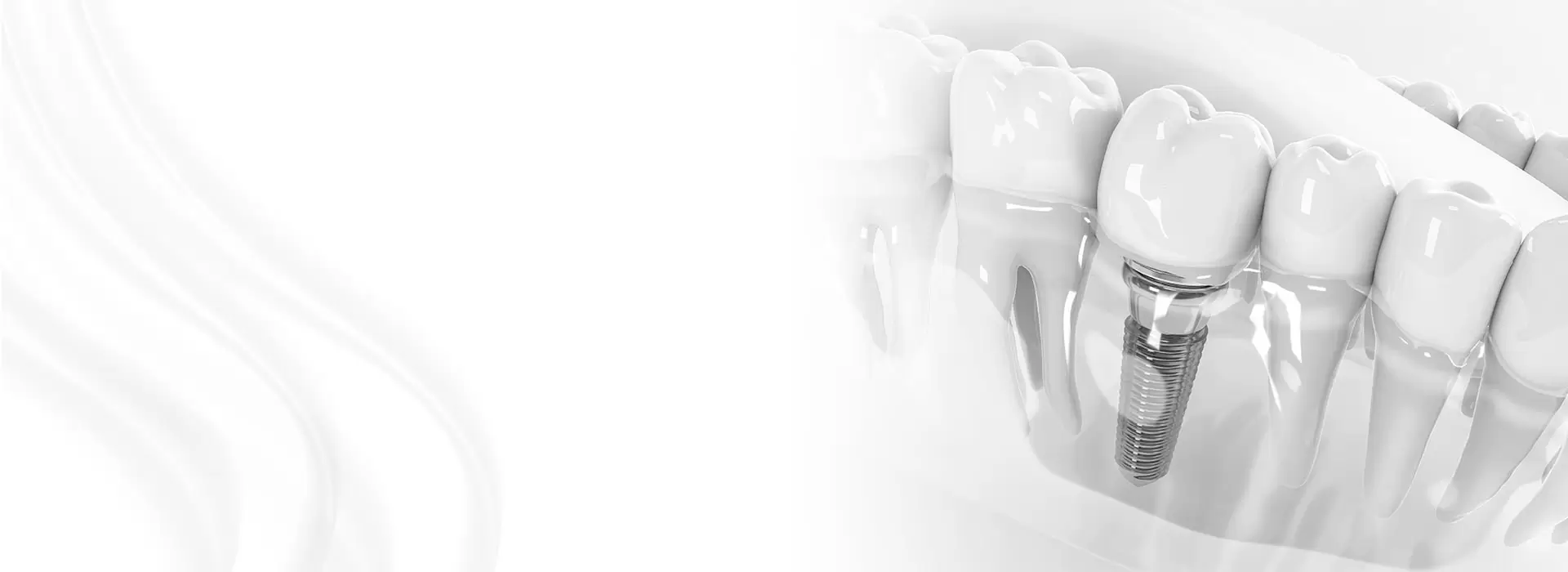
When too little natural tooth remains to support a crown, alternatives may include an onlay, a bridge, or a dental implant, depending on the location and condition of the tooth. A personalized examination is essential because treatment depends on bone support, gum health, bite forces, general health, and the condition of neighboring teeth.
At TruDent Clinics in Izmir, Turkey, patients can receive an assessment for a loose or lost crown as part of a broader restorative dentistry plan. The dental team can evaluate urgent symptoms, review available crown materials, and explain the expected treatment sequence before work begins.
Preventing another crown emergency
Good daily hygiene helps protect the tooth beneath and around a crown. Brush twice daily with fluoride toothpaste, clean between the teeth, and attend routine examinations. Professional cleaning can help control plaque near the crown margin and support healthy gums.
If you grind or clench your teeth, ask your dentist whether a custom night guard would be suitable. Avoid chewing ice, opening packages with your teeth, and regularly biting hard objects. These habits can place excessive force on crowns and natural teeth alike.
Practical steps can make the next dental visit safer and more efficient:
- Keep the fallen crown in a clean container and bring it to the appointment.
- Record when it came loose and whether you experienced pain, swelling, or an injury.
- Avoid household glue and do not force the crown back into place.
- Choose soft foods and chew on the unaffected side until examined.
- Tell the dental team about grinding, recent dental work, medications, and medical conditions.
A prompt appointment gives the dentist the best opportunity to preserve the original crown and supporting tooth. Even when the restoration cannot be reused, early care can often prevent a small problem from becoming a root canal, extraction, or more complex replacement.
If your crown has fallen off, contact TruDent Clinics to schedule a dental consultation in Izmir. A professional examination can identify the cause, relieve sensitivity, and create a treatment plan tailored to your tooth, smile, and long-term oral health.