When a Dental Implant Feels Loose or Uncomfortable
Most people notice a dental implant problem the same way: a fingertip pressed against the crown moves slightly, chewing feels different on one side, or the gum around the metal post becomes tender and swollen. None of these signs automatically mean the implant has failed. Movement at the screw joint can sometimes be corrected in minutes, while deeper problems need prompt treatment. The key is separating mechanical looseness from infection, because the two require very different responses.
In Australia, implants are a familiar part of restorative dentistry, and patients often wear them for years before noticing changes. Common triggers include a heavy coffee habit, grinding under work stress, smoking, or a lapse in flossing during a busy stretch. With a single implant and crown typically costing around AUD $3,000 to $6,500 in cities such as Sydney, Melbourne, Brisbane and Adelaide, early attention is financially sensible, since routine imaging and a professional clean can spare an entire surgical revision.
This guide covers the signs worth acting on, the safe steps to take in the first 48 hours, what an assessment involves, and how treatment is planned. It also explains the Australian regulatory and insurance picture, and when travelling overseas for implant work becomes reasonable.
If the pain is severe, there is visible pus or fever, or the implant visibly shifts, treat it as urgent rather than something to wait out. The guidance below is general information to help you make informed decisions about your care, not a replacement for an in-person examination and imaging.
Why an implant can start to feel loose
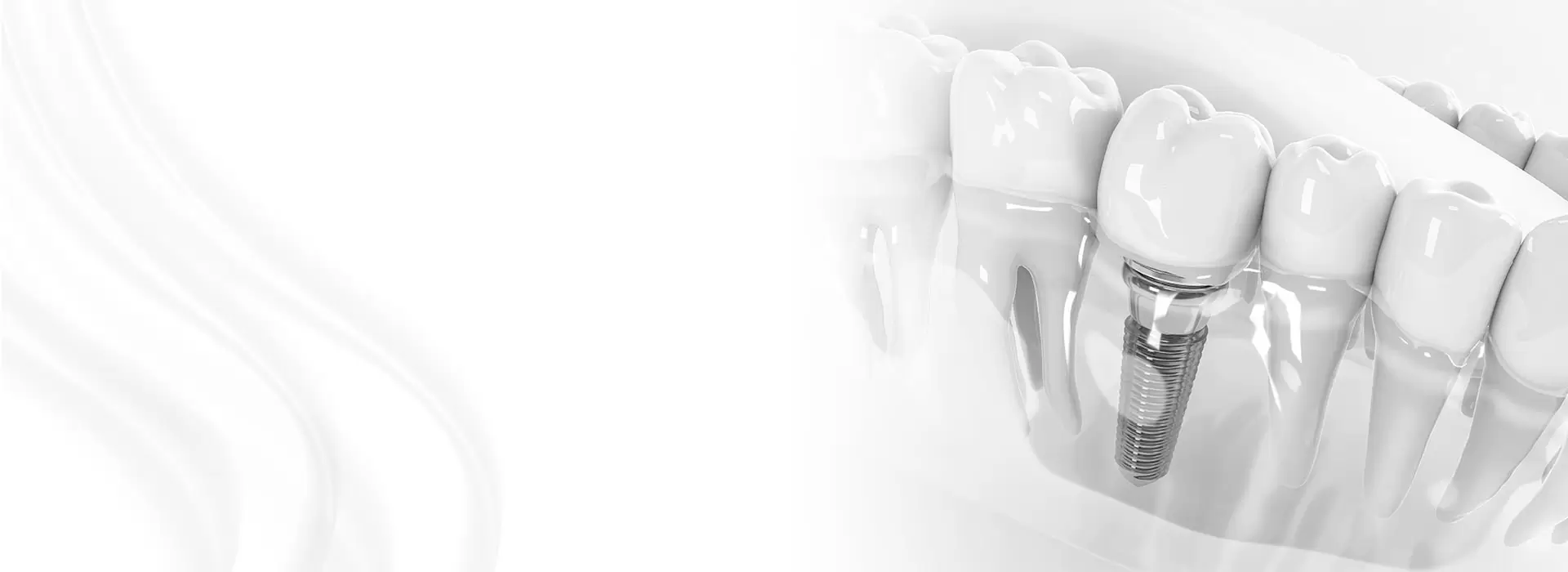
An implant has two distinct parts. The crown and abutment are mechanical components screwed into the post, while the post itself is fused directly to the jawbone during osseointegration. Movement you can feel with a finger usually comes from the screw joint, the crown cement, or a weakened bone connection rather than from the titanium itself.
Bone support can decline for several reasons. Plaque-driven inflammation around the implant gum, known as peri-implant mucositis, progresses in some patients to peri-implantitis, where the supporting bone is progressively resorbed. Other causes include a bite that loads the implant too heavily, a fracture of the abutment screw, gum recession exposing vulnerable tissue, and a hard object such as a ice cube or a bone fragment cracking the crown.
Healing-stage movement is a separate category. If the implant was placed with immediate loading and has not fully integrated, a small degree of give during the first few months can be expected, and your dentist may simply advise a soft diet and closer follow-up rather than intervention.
| What you notice |
Most likely cause |
What usually happens next |
| Slight movement when pressing the crown, no pain |
Abutment screw or crown cement loosening |
Screw re-tightened and crown reseated |
| Tender, bleeding gum with bad taste |
Plaque-driven inflammation around the implant |
Decontamination and deeper cleaning below the gum line |
| Throbbing pain, swelling, discharge or sinus |
Infection with bone loss around the implant |
Imaging, possible antibiotics, grafting or surgery |
| Aching when the teeth meet, jaw soreness |
Excessive bite load or grinding |
Bite adjustment and a protective night guard |
| Clicking or a sharp crack while chewing |
Fractured screw or cracked crown |
Component replacement, sometimes implant removal |
Warning signs that should not wait
Swelling that spreads into the cheek or jaw, fever, difficulty opening your mouth, or difficulty swallowing are red flags. An abscess around an implant can spread quickly through the facial tissues, and patients who are immunosuppressed, diabetic or on blood thinners face higher risks. Severe pain that wakes you at night, or pain that is not controlled with standard painkillers, also warrants same-day attention rather than a routine appointment.
Persistent bad taste or foul breath despite brushing, a small gum opening that drains, and increasing gum recession all suggest active infection. A change in bite, or a crown that no longer sits flush against the opposing tooth, may point to bone loss or a fractured component.
In Australia, this is where the system works in your favour. Most capital cities have after-hours dental practices that can take emergency cases, and emergency departments handle facial swelling and systemic infection. Being clear that the problem is implant-related helps triage staff arrange the right pathway.
Steps to take in the first 48 hours
These are conservative measures while you arrange professional care. They will not fix a fractured screw or advanced bone loss, but they reduce irritation and prevent further damage.
- Eat soft foods and chew on the opposite side, cutting out hard, chewy or sticky items for several days.
- Clean gently with a soft-bristled brush and slide floss or interdental brushes around the implant rather than snapping them against the gum.
- Rinse with warm salt water after meals, and use a short course of chlorhexidine rinse only if your dentist advises it.
- Manage pain with paracetamol, adding ibuprofen if you have no ulcers, kidney problems, blood thinners or pregnancy-related restrictions.
- Stop smoking or vaping, avoid alcohol for a couple of weeks, and leave the crown alone rather than probing or twisting it.
Above all, do not attempt to tighten the implant yourself. Torque belongs to a trained clinician with calibrated instruments, and excessive force can fracture the abutment or damage the bone interface. If you notice a sudden change in shape, a crack, or the crown coming loose entirely, save the piece if it detaches and bring it to your appointment.
What an implant assessment usually involves
A thorough check starts with movement testing of the crown and comparing it against adjacent teeth, followed by a probe around the gum margin to measure bleeding, suppuration and pocket depth. Your dentist will also examine the bite, check whether the opposing tooth is overloading the implant, and look for recession or exposed threads.
Imaging usually includes a periapical radiograph to assess bone height around the implant, and sometimes a cone Beam CT scan when the defect is complex or surgery is planned. These images reveal bone loss, a fractured screw, residual cement, or a sinus tract that cannot be felt from the outside.
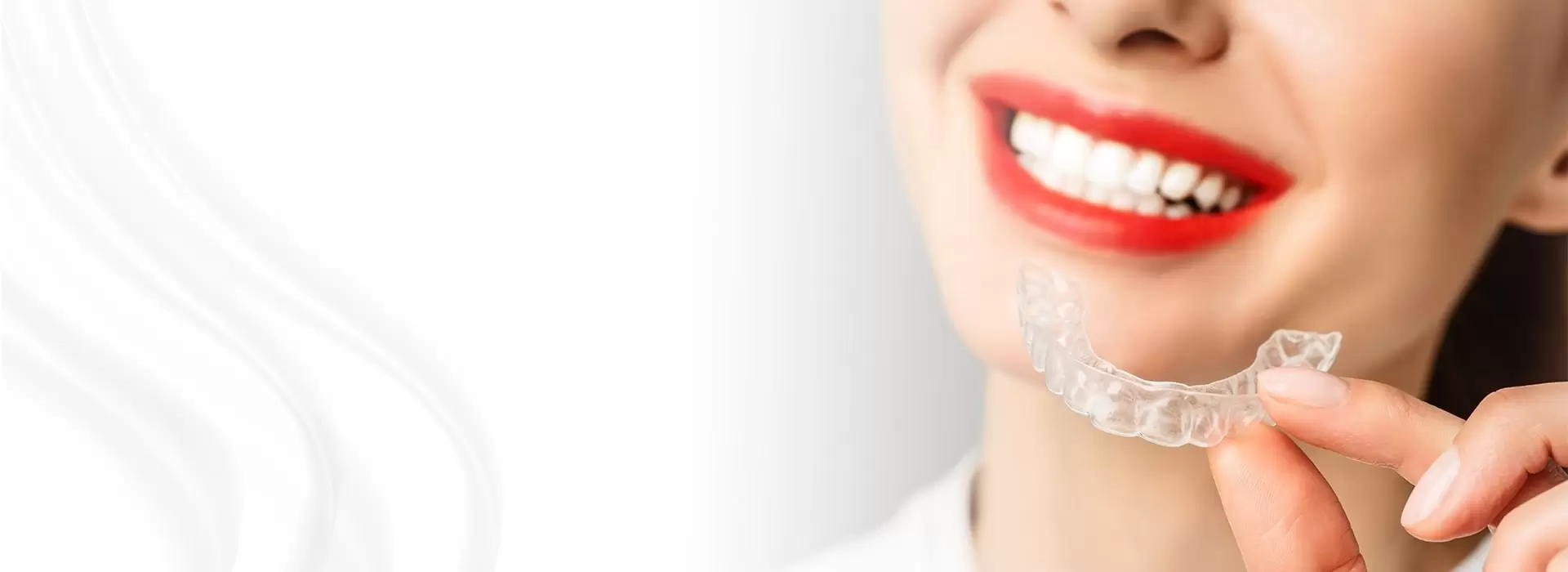
Treatment depends on the findings. Early mucositis responds well to professional debridement and better home care. Peri-implantitis may require surgical access to decontaminate the implant surface, bone grafting to rebuild support, and a longer healing period. A loose or fractured screw may simply be replaced, while a hopeless implant is removed so the site can be grafted for a replacement. Some patients managing bruxism are offered a night guard or botulinum toxin injections to reduce clenching, an option offered alongside cosmetic treatments such as veneers and whitening at many clinics.
Australian habits, funding and rules that shape your options
Daily habits play a larger role than most patients expect. Melbourne and Sydney run on long blacks, flat whites and iced-coffee culture, and the tannins and acid in tea and coffee are well known for staining. More importantly for implants, many Australian adults clench or grind their jaw during deadline-driven work and long commutes, and that repeated force loads the bite. A custom night guard is cheap insurance for an implant. Regular sport and contact football add a second risk: a blow to the jaw can crack a crown or shift an abutment.
Regulation is reassuringly straightforward. Every implant used in Australia must be listed in the Australian Register of Therapeutic Devices or qualify as a custom-made device, the manufacturer must hold Therapeutic Goods Administration sponsor certification, and your dentist must be registered with AHPRA under the Health Practitioner Regulation National Law. Medicare does not pay for implants, and most private funds contribute through general dental or extras benefits, often requiring pre-treatment approval and a waiting period.
Cost also shapes decisions. Australian implant surgery carries clinic, surgeon, imaging and facility fees, while an overseas treatment package bundles the surgical stage, the crown and sometimes accommodation. That comparison is only realistic if you factor in aftercare, which is where local follow-up and long-term maintenance become decisive.
Speak with a clinic before symptoms get worse
If you are weighing a second opinion locally, or considering travelling for treatment, the practical checklist is the same: who performs the surgery, who handles the prosthetic stage, what imaging is included, how long is the warranty, and where do you go if something hurts after you fly home. Long-haul flights of 13 to 17 hours also raise clot risk, which matters after oral surgery, so timing and medical clearance deserve attention. Patients who compare regional prices with international packages often start by contacting the team at TruDent Clinics in Izmir, where the assessment, implant placement and crown work sit within one coordinated practice.
Book an assessment rather than waiting for your next routine check, and bring any loose component, your current medication list and earlier radiographs with you. If you have swelling, fever or uncontrolled pain in the meantime, use the nearest after-hours dental service or an emergency department, and let the clinician know the problem is implant-related so the right treatment can begin without delay.