What to Eat After Dental Implants Are Placed
The foods you choose after dental implant surgery can support healing, reduce irritation and make the first few days more comfortable. A soft, cool or lukewarm diet is usually easiest while the gum tissue settles around the implant site. Your dentist’s instructions should always take priority because the number of implants, the need for bone grafting and your general health can change your recovery plan.
In the first hours, the aim is to avoid disturbing the blood clot and surgical area. Smooth foods that require little or no chewing are generally suitable, while very hot, hard, sticky or spicy items may cause discomfort. Staying hydrated is important too, but drinking through a straw can create suction that interferes with healing.
Australian eating habits may need a little adjustment. Your usual morning flat white, crunchy toast, steak from the barbecue or a takeaway meal may need to wait temporarily. Planning a few simple options before your appointment can help you avoid last-minute choices that place pressure on the implant.
The First Day After Implant Surgery
For the first few hours, choose cool or room-temperature foods such as plain yoghurt, applesauce, custard, cottage cheese or a smooth protein shake. If you have had sedation or local anaesthetic, take care with chewing because numb lips, cheeks and the tongue can be bitten without you noticing. Avoid eating until your dentist says it is safe if the numbness is significant.
Soft foods that slide easily with minimal chewing are useful for the rest of the day. Mashed potato, blended vegetable soup served lukewarm, scrambled eggs and smooth hummus can provide energy without placing much strain on the jaw. Do not rinse vigorously, spit forcefully or probe the implant area with your tongue or fingers.
If you have been prescribed pain relief, take it exactly as directed. Australian medicines are regulated by the Therapeutic Goods Administration, but prescription instructions still need to come from your dental practitioner. Do not take aspirin or add another medicine without checking first, as some products can increase bleeding or interact with your existing medication.
Nourishing Foods For Early Healing
A nutritious soft diet should include protein, calories and a variety of vitamins and minerals. Eggs, Greek yoghurt, tofu, tender fish, ricotta, lentil soup and blended beans are practical choices. Protein helps support tissue repair, while adequate energy may prevent fatigue during the first part of recovery.
Fruit and vegetables can be blended into smoothies or cooked until very soft. Banana, avocado, pumpkin, sweet potato and stewed apple are usually gentle options. Remove seeds, skins and fibrous pieces that could lodge around the wound. Smoothies should be eaten with a spoon or from a cup rather than through a straw.
Hydration matters, especially during a hot Australian summer in places such as Brisbane, Perth or Adelaide. Water is the best choice, while milk can add protein and calories. Limit acidic drinks, soft drinks and fruit juice because their acidity and sugar can irritate the mouth and contribute to decay around natural teeth.
Progressing Beyond Soft Foods
Many people can gradually introduce foods requiring light chewing after several days, provided swelling and tenderness are improving and the implant area remains undisturbed. Soft pasta, finely minced meat, flaky fish, steamed vegetables and well-cooked rice may be suitable. Chew on the opposite side of the mouth when possible.
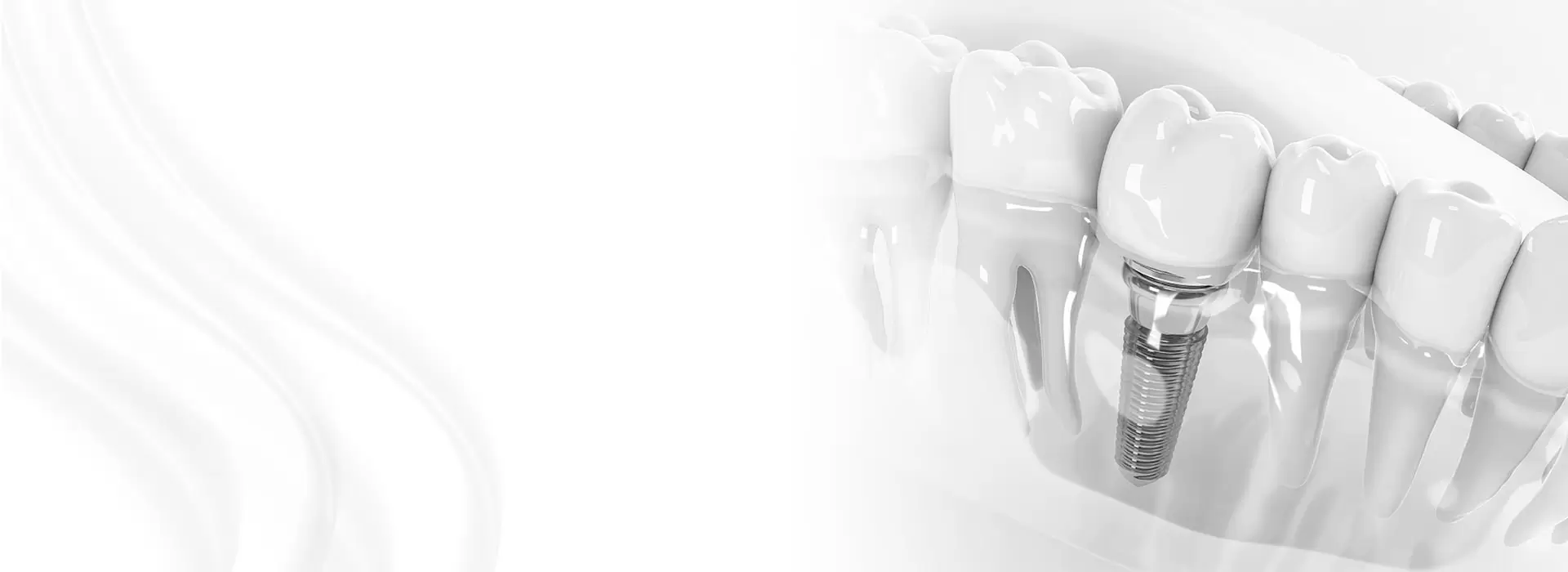
The implant may feel stable, but that does not mean the underlying bone has finished integrating with it. Osseointegration commonly takes several months, and the timetable can be longer after bone grafting or extensive surgery. Follow-up appointments allow your dentist to check healing before you return to a completely normal diet.
Avoid testing the implant by biting into an apple, crusty roll or hard lolly. A temporary crown or healing abutment can be more vulnerable than a final restoration, and excessive pressure may compromise comfort or the developing connection between the implant and bone. If a particular food causes pain, stop and return to softer options.
Foods And Habits That Can Disrupt Healing
Hard, crunchy and sharp foods can injure the gum or become trapped around the surgical site. Examples include popcorn, nuts, corn chips, crusty bread, raw carrots and hard biscuits. Sticky foods such as toffee and chewing gum may pull at temporary dental work and are difficult to clean away safely.
Very hot food and drinks can increase discomfort while the tissues are sensitive. Spicy dishes may sting the wound, while acidic foods such as citrus, vinegar-heavy dressings and tomato-based sauces can feel irritating. Alcohol should be avoided while the area is healing and while you are taking certain pain medicines or antibiotics.
Smoking and vaping can reduce blood flow and increase the risk of implant complications. It is also wise to avoid strenuous exercise for the period recommended by your dentist, since increased blood pressure may contribute to bleeding or swelling. Good oral hygiene remains important, but brush gently around the area and use any prescribed rinse as instructed.
Everyday Planning For Australian Patients
Prepare food before surgery so recovery does not depend on supermarket trips or cooking while uncomfortable. Australian supermarkets make it easy to stock up on yoghurt, eggs, soup, soft fruit, instant oats and frozen vegetables. If you live alone in Melbourne, Sydney or another large city, arrange delivery or ask someone to help with meals during the first day.
Coffee is part of many daily routines, but a hot flat white should be allowed to cool and may need to be avoided initially, particularly if your dentist advises against caffeine or hot liquids. A weekend barbecue also requires modification: choose soft fish, tender minced meat or well-cooked vegetables rather than charred, chewy or heavily spiced foods.
Routine adult dental care is generally not covered by Medicare, so check your private health extras policy for implant consultations, surgery and follow-up appointments. Waiting periods, annual limits and exclusions vary between funds. Ask the clinic for a written treatment plan and a clear estimate before treatment, including any bone grafting, temporary restoration or maintenance costs.
Once the surgical area has healed, patients sometimes ask about additional cosmetic or oral-care services. Any elective treatment should be discussed with the implant dentist first; information about laser dental treatments does not replace an examination or post-operative instructions.
A Simple Recovery Food Checklist
Keep your choices soft, nourishing and easy to eat, then follow your dentist’s advice as the implant site heals. These practical recommendations can help you protect the area without making meals unnecessarily restrictive.
- Choose cool or lukewarm foods during the first day rather than very hot meals.
- Prioritise protein from eggs, yoghurt, tofu, fish, ricotta or blended legumes.
- Drink water regularly, using a cup rather than a straw.
- Chew away from the implant whenever possible as you begin eating more solid foods.
- Avoid smoking, vaping, alcohol, hard foods, seeds, popcorn and sticky lollies.
- Clean your mouth gently and do not disturb the wound with fingers, toothbrush bristles or sharp objects.
- Contact your dentist promptly if pain worsens, swelling increases, bleeding continues, or the implant feels loose.
Healing does not always follow the same pattern. Mild swelling, tenderness and a small amount of blood-tinged saliva can occur, but severe pain, fever, pus, difficulty swallowing or breathing requires urgent professional advice. An implant that moves should be reported to the clinic immediately rather than monitored at home.
TruDent Clinics can assess your oral health, discuss implant aftercare and create a personalised treatment plan for your needs. Arrange a consultation before treatment or contact the clinic during recovery if you need individual guidance about food, medication or healing.