What to expect after a tooth extraction
A tooth extraction is a common dental procedure used when a tooth cannot be restored safely, is causing infection, or needs to be removed before another treatment. Knowing what happens after the appointment can make recovery calmer and help you recognize when professional advice is needed.
Most people experience some tenderness, swelling, and light bleeding during the first few days. The exact recovery time depends on the tooth’s position, the complexity of the removal, your general health, and whether the extraction involved an impacted wisdom tooth or surgical treatment.
Your dentist will give you personalized instructions before you leave the clinic. Follow those directions carefully, since protecting the blood clot in the socket is the most important part of early healing.
What happens immediately after removal
A gauze pad is usually placed over the extraction site. Bite down with steady, gentle pressure for the period recommended by your dentist, commonly around 30 to 60 minutes. A small amount of blood-tinged saliva is normal during this time, but persistent heavy bleeding needs dental advice.
Your mouth may remain numb for several hours because of the local anesthetic. Avoid hot food and drinks until normal sensation returns, as numb lips, cheeks, or the tongue can be accidentally bitten or burned. If you were given sedation, arrange for a responsible adult to accompany you and avoid driving until the effects have fully worn off.
The first few hours are best spent resting with your head slightly elevated. Physical exertion can increase blood pressure around the wound and may restart bleeding. Take prescribed medication exactly as directed, and ask your dentist or pharmacist before combining pain relief medicines.
Caring for the extraction site during the first day
A stable blood clot forms inside the empty tooth socket and acts as a natural protective covering. Do not rinse forcefully, spit repeatedly, poke the area with your tongue, or use a straw during the first 24 hours. These actions can dislodge the clot and expose the underlying bone, leading to a painful condition called dry socket.
Apply a cold pack to the outside of the cheek for short intervals during the first day. This can help limit swelling and discomfort. Place the pack over a cloth rather than directly on the skin, and allow breaks between applications.
Choose soft, cool or lukewarm foods such as yogurt, soup that has cooled, mashed vegetables, scrambled eggs, or smoothies taken with a spoon. Chew on the opposite side of the mouth. Avoid alcohol, smoking, vaping, and very spicy, crunchy, or hard foods, since they can irritate the wound or delay healing.
How recovery usually progresses
Pain is often most noticeable as the numbness fades and may gradually improve over the next two or three days. Swelling can become more visible during the second or third day before it starts to settle. Mild bruising, jaw stiffness, and difficulty opening the mouth can occur, particularly after a surgical extraction or wisdom tooth removal.
After the first 24 hours, gently rinse with warm salt water if your dentist recommends it. Let the solution move around the mouth without vigorous swishing. Continue brushing and flossing the unaffected teeth, but keep the toothbrush away from the socket until the area is less sensitive.
The following guide gives a general idea of the healing timeline. Individual recovery can differ, especially when bone removal, stitches, infection, or multiple extractions are involved.
| Recovery period |
Common experience |
Helpful care |
| First 24 hours |
Numbness, mild bleeding, tenderness, early swelling |
Protect the clot, rest, use gauze as directed, choose soft foods |
| Days 2–3 |
Swelling or bruising may peak; soreness should remain manageable |
Continue prescribed medication, cold or warm compresses as advised, keep the mouth clean |
| Days 4–7 |
Pain and swelling usually begin to improve; dissolving stitches may loosen |
Resume gentle oral hygiene and gradually add comfortable foods |
| One to two weeks |
Gum tissue continues closing; mild sensitivity may remain |
Attend follow-up care if requested and avoid disturbing the healing area |
| Several weeks or longer |
Deeper bone healing continues beneath the gum |
Discuss tooth replacement when appropriate |
Signs that need prompt dental attention
Some symptoms are expected, but worsening pain after initial improvement may indicate a problem. Dry socket often develops a few days after extraction and may cause intense, throbbing pain that spreads toward the ear, temple, or jaw. An unpleasant taste or odor can also occur. A dentist can clean and dress the socket to relieve symptoms and support healing.
Contact your dental clinic promptly if bleeding remains heavy after firm gauze pressure, swelling continues to increase, or you develop fever, pus, worsening facial redness, or difficulty swallowing. Breathing difficulty or rapidly expanding swelling requires urgent medical care.
Numbness that lasts much longer than your dentist anticipated should also be reported. Although temporary altered sensation can occur after some lower jaw procedures, persistent symptoms need assessment. Do not wait for a scheduled appointment if your condition is deteriorating.
Eating, cleaning, and returning to normal
As discomfort decreases, gradually return to your usual diet. Avoid biting directly over the socket until chewing feels comfortable and the gum has formed a stronger seal. Small food particles can collect near the wound, so gentle cleaning is important, but aggressive brushing or picking can cause irritation.
Smoking and vaping are especially harmful during recovery. The suction and chemicals can interfere with clot formation and increase the risk of dry socket. Ideally, avoid them for as long as your dentist advises. Alcohol may interact with medication and can irritate healing tissue, so postpone it until you have recovered and finished any incompatible prescriptions.
Most routine activities can resume within a day or two if you feel well, but strenuous exercise should wait until bleeding has stopped and your dentist considers it safe. If stitches were placed, follow the clinic’s instructions about whether they will dissolve naturally or need removal.
Planning the next step for your smile
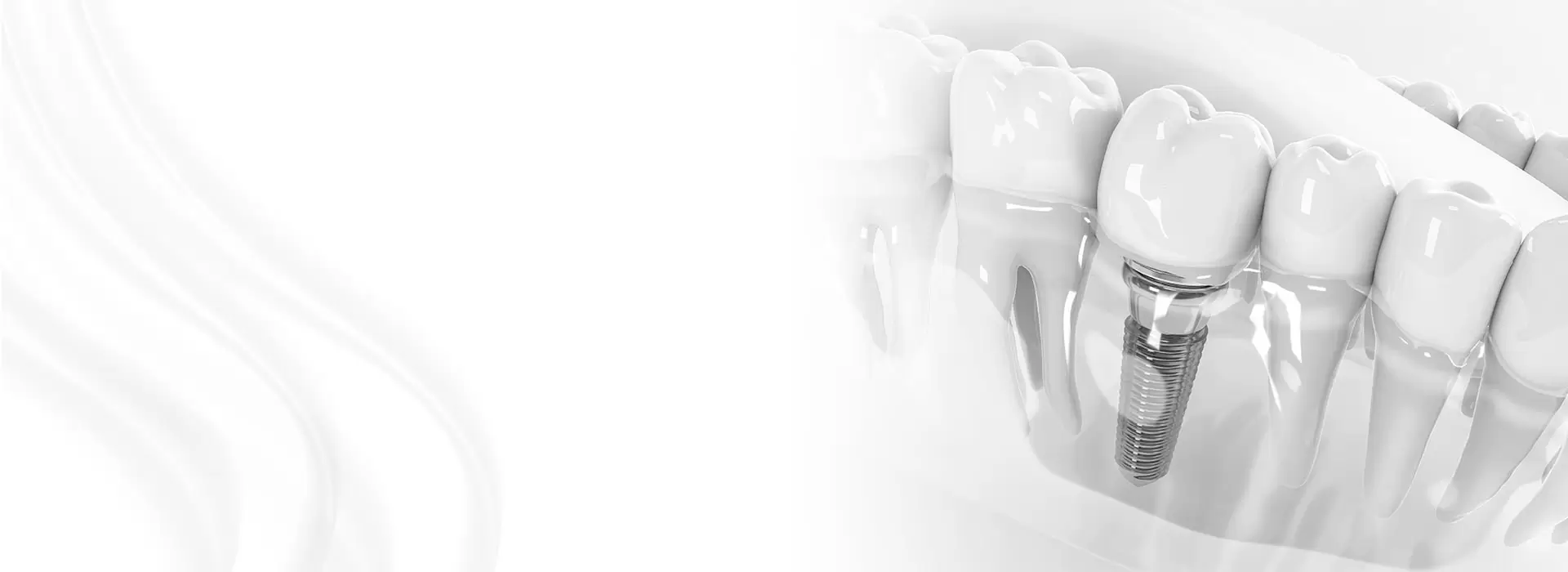
An extracted tooth can affect chewing, tooth alignment, and the appearance of your smile if the space is left untreated. Depending on your oral health and the location of the missing tooth, your dentist may discuss a dental implant, crown-supported bridge, or removable replacement. Planning can begin once the gum has healed, although implant treatment may require additional healing time or bone evaluation.
A follow-up visit allows the dentist to check the socket, review your symptoms, and discuss replacement options. It is also an opportunity to assess neighboring teeth and gums, particularly if the extraction was related to decay, gum disease, or an infection.
For a smoother recovery:
- Keep the written aftercare instructions available and follow the medication schedule.
- Protect the blood clot by avoiding straws, smoking, vaping, forceful rinsing, and unnecessary touching.
- Use soft foods and chew away from the extraction site until tenderness improves.
- Contact the clinic promptly about severe pain, persistent bleeding, fever, pus, or increasing swelling.
- Arrange a review to discuss healing and suitable tooth replacement when recommended.
TruDent Clinics in Izmir provides personalized dental care for routine and surgical extractions, urgent symptoms, and restorative options after tooth loss. If you have recently had a tooth removed or are preparing for an extraction, schedule a consultation so the dental team can assess your needs and explain the safest path through recovery.