What to Expect During a Dental Implant Consultation
Replacing a missing tooth begins with more than choosing an implant. A consultation gives your dentist the opportunity to assess your oral health, understand your priorities, and determine whether an implant-supported restoration is suitable for you. It is also the time to discuss alternatives, treatment stages, expected results, and costs.
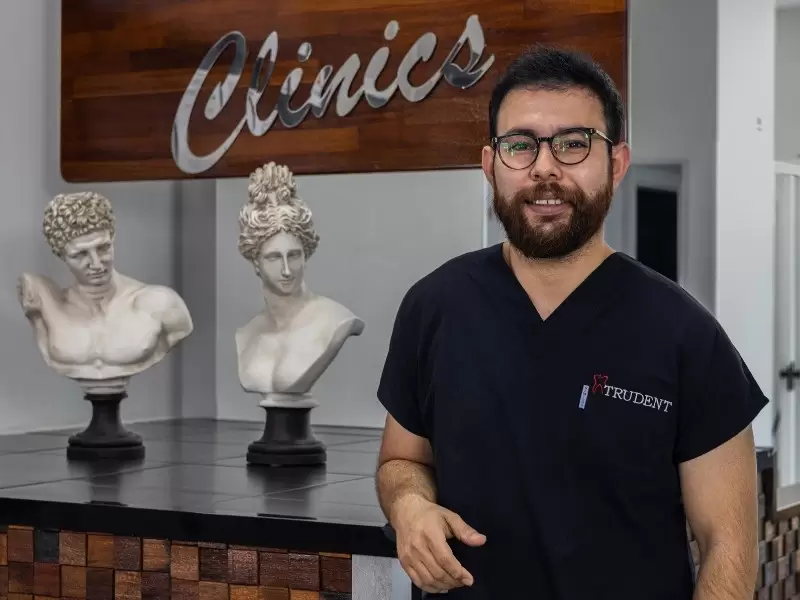
At TruDent Clinics in Izmir, Turkey, each appointment is designed around the individual patient. Your consultation may involve a clinical examination, digital scans or X-rays, a review of your medical history, and a conversation about the appearance and function you want to achieve. The purpose is to create a clear, personalized treatment plan rather than apply the same approach to every patient.
Being prepared can make the appointment more productive. Knowing what information to bring, which questions to ask, and what decisions may be discussed helps you feel more informed before committing to implant surgery or any related procedure.
Why An Implant Consultation Matters
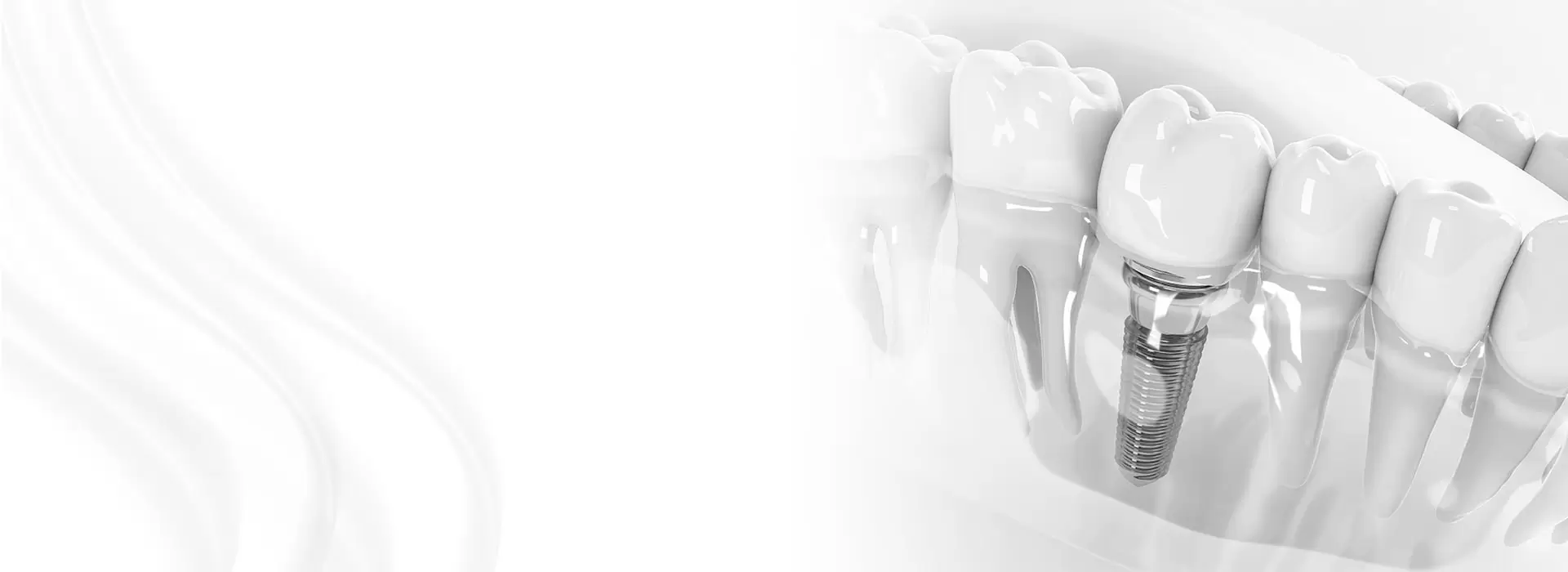
A dental implant replaces the root portion of a missing tooth with a biocompatible titanium or ceramic fixture. After healing, a crown, bridge, or denture can be attached to restore chewing ability and appearance. However, an implant is not automatically the right solution for every missing tooth.
The dentist must evaluate your gums, remaining teeth, jawbone, bite, and general health. Gum disease, untreated decay, insufficient bone volume, smoking, certain medications, and some medical conditions may affect implant planning or healing. These factors do not always rule out treatment, but they may need to be addressed first.
Your consultation also helps distinguish between your functional and cosmetic goals. You may want to replace one visible tooth, stabilize a loose denture, or restore several missing teeth. The recommended solution can vary considerably depending on the location of the gap, the condition of neighboring teeth, and your long-term expectations.
Preparing For Your Appointment
Before visiting TruDent Clinics, make a list of your current medications, supplements, allergies, and significant medical conditions. Include information about diabetes, heart conditions, bleeding problems, osteoporosis, previous radiation therapy, and any treatments that could influence healing. Tell the dentist if you smoke or use nicotine products.
Bring details of previous dental procedures and recent dental records or scans if they are available. It is helpful to note when the tooth was lost, whether you have experienced pain or swelling, and whether you currently use a removable denture or temporary replacement. Photos showing your smile before tooth loss may also be useful in highly visible cases.
Think about what you would like to ask. You might want to understand the number of appointments, the healing period, the type of restoration, and how the proposed treatment will fit around travel or work. If you are visiting Izmir from another country, ask about appointment scheduling and the recommended time between surgical and restorative stages.
What Happens During The Examination
The dental implant consultation usually begins with a conversation about your concerns and treatment objectives. The dentist may ask about your dental history, oral hygiene routine, previous extractions, and any symptoms. This discussion helps establish whether the missing tooth is the only issue or whether gum health, decay, or bite problems need attention.
A visual examination follows. The dentist checks the gums for inflammation or periodontal disease, assesses the neighboring teeth, and looks at the available space. Your bite and jaw movement may also be examined. In some cases, impressions, digital scans, or photographs are taken to support the design of the final crown or other restoration.
Diagnostic imaging is an important part of implant assessment. A panoramic X-ray may provide a broad view of the jaw, while three-dimensional CBCT imaging can show bone height, width, density, and the position of nerves or sinuses. Imaging helps the dentist determine the safest implant position and whether procedures such as bone grafting or a sinus lift might be required.
| Consultation Stage |
What It May Include |
Why It Matters |
| Medical and dental history |
Medications, allergies, illnesses, smoking, previous treatment |
Identifies factors that may affect surgery or healing |
| Oral examination |
Gums, teeth, bite, jaw movement, available space |
Shows whether the mouth is ready for implant treatment |
| Digital records |
Photos, impressions, intraoral scans, X-rays, or CBCT imaging |
Supports accurate implant and restoration planning |
| Treatment discussion |
Implant type, restoration, alternatives, possible preparatory care |
Helps you compare suitable options |
| Cost and scheduling review |
Stages, fees, appointments, healing time, aftercare |
Gives you a practical plan before treatment begins |
Assessing Bone And Gum Health
Implants need adequate bone support to remain stable. When a tooth has been missing for a long time, the jawbone in that area may gradually shrink. The scan allows the dentist to assess whether there is sufficient bone for implant placement and whether the implant can be positioned without affecting nearby anatomical structures.
If bone volume is limited, bone augmentation may be discussed. This can involve grafting material into the deficient area before or during implant placement. When an upper back tooth is being replaced, the dentist may also assess the sinus position and consider a sinus lift if the available bone height is inadequate. These procedures can extend the overall treatment timeline.
Healthy gums are equally important. Active gum disease can cause inflammation and increase the risk of implant complications. If gum treatment, professional cleaning, or improved home care is needed, that work may be recommended before implant surgery. Stabilizing the mouth first improves the foundation for a long-lasting restoration.
Reviewing Your Treatment Options
During the consultation, the dentist will explain the proposed implant position and the type of restoration that may be used. A single missing tooth is often restored with one implant and a custom crown. Several missing teeth may be replaced with an implant-supported bridge, while a full arch can sometimes be restored with a fixed implant-supported prosthesis or an overdenture.
You may also discuss alternatives. A conventional bridge uses neighboring teeth for support, while a removable partial denture can replace teeth without implant surgery. In some situations, preserving or restoring a natural tooth may be preferable to extraction and replacement. The best choice depends on oral health, aesthetics, function, budget, and your willingness to undergo a longer treatment process.
The dentist should explain the materials and appearance of the final restoration. For a front tooth, shade, shape, gum contours, and facial balance are especially important. Digital smile planning or temporary mock-ups may help you visualize the proposed result, although the final appearance can depend on healing and the response of the surrounding tissues.
Understanding Time, Cost, And Safety
Dental implant treatment is usually completed in stages. If extraction is necessary, it may happen before implant placement or at the same appointment in selected cases. The implant then needs time to integrate with the jawbone, a process commonly called osseointegration. After healing, an abutment and permanent crown or prosthesis are fitted.
The total timeline varies according to bone quality, gum health, the number of implants, and whether grafting is needed. Some cases can be restored within a few months, while complex treatment may take longer. A temporary tooth may be provided when appropriate, particularly when the missing tooth is visible during smiling.
Your written treatment plan should separate surgical, restorative, imaging, laboratory, and follow-up costs where applicable. Ask whether preparatory procedures, temporary restorations, medications, adjustments, and future maintenance are included. A responsible consultation should also cover common risks, such as infection, discomfort, implant failure, nerve disturbance, sinus complications, or the need for additional treatment.
Questions To Bring To The Consultation
Clear questions can help you understand the recommendation and compare it with other options. Consider asking:
- Which type of implant and restoration is suitable for my situation?
- Do I need gum treatment, an extraction, bone grafting, or a sinus lift first?
- How many visits will be required, and how long will each stage take?
- What discomfort, swelling, dietary restrictions, and temporary tooth arrangements should I expect?
- What is included in the quoted cost, and how will follow-up care be managed?
You can also ask about the dentist’s experience with cases similar to yours, the implant system being used, and the process for checking the restoration after placement. If you are traveling internationally, discuss how urgent concerns would be handled after you return home and whether local dental coordination may be needed.
Do not feel pressured to make an immediate decision. You should have enough information to weigh the benefits, limitations, alternatives, and financial commitment. If you need time to consider the plan, request a copy of the records and proposed treatment details.
Moving Forward With A Personalized Plan
At the end of the appointment, TruDent Clinics can outline the recommended sequence of care and identify any treatment needed before implant surgery. The plan may include preparation, implant placement, healing, restoration, and maintenance visits. It should reflect your oral condition, aesthetic preferences, general health, and practical schedule.
Good home care remains important after treatment. Regular brushing, interdental cleaning, professional hygiene visits, and dental examinations help protect the implant and the natural teeth around it. Although implants cannot develop tooth decay, the surrounding gums and bone can still be affected by inflammation.
If you are considering a replacement for one or more missing teeth, schedule a consultation with TruDent Clinics in Izmir to discuss your suitability, available options, and a treatment plan tailored to your needs.