Healing after a dental bone graft: what to expect
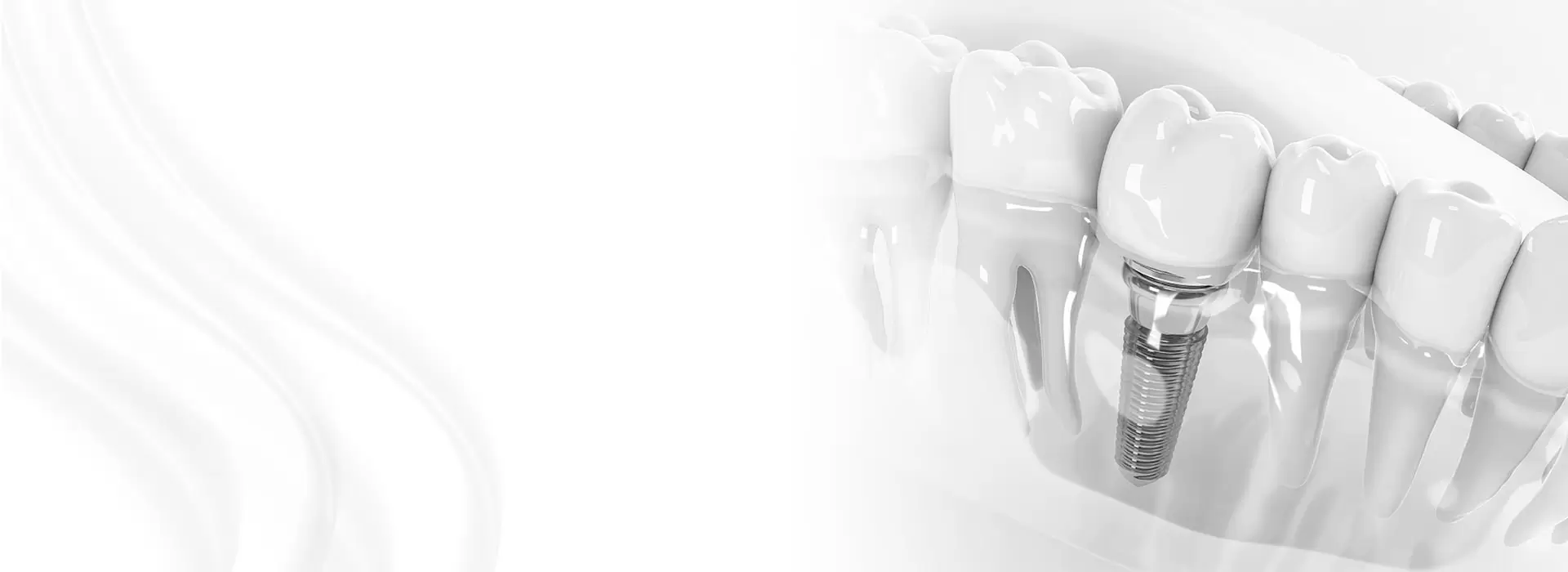
A dental bone graft rebuilds the jawbone where teeth have been lost, giving implants, crowns or a full smile makeover a solid foundation. At TruDent Clinics in Izmir, grafting is often performed alongside implant placement or socket preservation after an extraction, so one surgical episode can cover both the repair and the replacement tooth.
Recovery runs in overlapping phases rather than tidy calendar weeks. Soft tissue usually closes within seven to fourteen days, while the graft itself needs four to six months to mature into mineralised bone. Knowing which stage you are in helps you read normal discomfort against a real complication.
Patients travelling from Australia also need to plan the aftercare, not just the surgery. Long-haul flights, time zones and follow-up appointments shape how a graft is monitored, and a personalised treatment plan makes those decisions much easier. The stages below reflect what most patients experience in a modern clinic.
The first seventy-two hours after surgery
The local anaesthetic generally wears off over three to five hours, and the lower lip or cheek may stay numb for longer. Until sensation returns, avoid hot food and take small bites, because a bitten lip or cheek is the most common early injury. Grains and crumbs can also lodge in stitches that have not yet settled.
A small amount of oozing is normal for the first day or two. Bite down on clean gauze for twenty minutes at a time, changing the pad each time, and let the pressure do the work. Do not rinse, spit, use a straw or smoke for the first twenty-four hours, since the clot that seals the socket is fragile and suction can pull it away.
Swelling tends to peak at forty-eight to seventy-two hours, so the worst appearance often arrives after the surgery looks like it is going well. A wrapped cold pack applied for fifteen minutes at a time helps, along with head elevation when sleeping. Paracetamol and ibuprofen, both stocked on shelves across Australian pharmacies, manage pain and inflammation if they suit your medical history.
Week one: protecting the clot and cleaning the site
From around day two or three, begin warm salt water rinses to loosen food debris and reduce bacteria. A soft toothbrush after every meal keeps the neighbouring teeth clean, and a chlorhexidine mouth rinse used twice daily for up to ten days is common practice in both Turkish and Australian clinics. Avoid probing the site with your tongue or fingers, as disturbed tissue delays healing.
Antibiotics are prescribed where the surgeon judges them useful, and Australians should take the full course as directed rather than stopping when symptoms ease. Report any penicillin allergy clearly, since the local team needs that information before choosing an agent. Antibiotics cannot rescue a socket that has been mechanically damaged, so rest, cleaning and gentle pressure remain the foundation of recovery.
Stick to soft food for the first week: yoghurt, porridge, scrambled eggs, mashed potato, tender fish and soft stews suit a healing graft. Skip crunchy favourites such as crusty bread, lollies and nuts. Hold off on very hot drinks, including a flat white, since heat and sipping increase blood flow in the area and can restart bleeding.
Weeks two to eight: the quiet rebuild
Swelling recedes, bruising fades and most patients describe the site as tender rather than painful. Dissolvable stitches disappear on their own, while non-dissolvable sutures are usually removed at a seven to ten day appointment. Some graft materials resorb visibly during this period, which can look alarming in a mirror but reflects normal remodelling rather than failure.
Healing slows when smoking, uncontrolled blood sugar or heavy clenching are present. Around one in nine Australian adults smokes daily, and tobacco use measurably reduces graft success and blood supply to the wound. Patients who grind or clench their teeth benefit from discussing protective splints or botulinum toxin injections for jaw-related concerns, which TruDent also offers alongside restorative treatment.
By week eight the site feels firm and the gum line has stabilised, though the bone itself is still immature. Implant placement or crown fitting is commonly scheduled between three and six months, once imaging shows adequate density. If a lower jaw procedure left the chin numb, sensation can take several months to return, and early review catches any lasting nerve irritation.
Recovery shaped by Australian realities
Work planning matters more than most people expect. Swelling peaks in the first three days, so Sydney and Melbourne office workers should take two or three days away rather than schedule client meetings in week one. Tradies in Brisbane or Perth should avoid heavy lifting for about a week, and anyone driving for a living should confirm they can operate a vehicle comfortably before the anaesthetic wears off.
Travel is the bigger constraint. Flights from Sydney, Melbourne or Brisbane to Istanbul and on to Izmir run long, and flying within roughly two weeks of upper jaw surgery is usually avoided because cabin pressure and sinus changes can disturb a graft. If a journey cannot wait, seek advice before booking, avoid forceful nose-blowing during the flight, and allow a rest day on arrival. Long-haul jet lag also masks the normal tiredness that follows anaesthetic.
Cost and cover add another layer. Medicare does not pay for elective grafting, implants or cosmetic work, and many Australian extras policies exclude them, so patients often self-fund after checking their insurer in writing. Ask for your clinical notes, radiographs and a detailed written plan, because these allow an Australian dentist to monitor the site if you return home. Materials used in Turkey should meet recognised international safety standards, and requesting that documentation takes minutes.
Warning signs that need attention quickly
Contact the clinic if fever rises above 38 degrees, pain worsens after day three instead of easing, discharge carries a foul taste, or swelling spreads along the jaw. Persistent bleeding that does not stop with twenty minutes of firm pressure, a wound that gapes open, numbness lasting beyond a day, and any difficulty swallowing or breathing all warrant prompt review.
Reach the treating clinic first, keeping in mind that Izmir runs three hours ahead of Perth and seven to eleven hours ahead of the eastern states depending on daylight saving. If you are already back in Australia, call a local after-hours dentist, and head to an emergency department for breathing or swallowing problems. A short delay in antibiotics is far easier to manage than a spreading infection.
Most complications trace back to preventable habits: smoking, skipped rinses, probing the wound, hot drinks and heavy exercise. Following the medication schedule, keeping the mouth clean, resting and eating soft food for as long as advised keeps the healing phase uneventful for the overwhelming majority of patients.
Recovery checklists for the first two months
Two short lists keep the practical details close at hand during the period when memory fades fastest and appointments are easiest to miss. Keep the first list somewhere visible at home, and bring the second list to your follow-up visits.
First forty-eight hours
- Bite on clean gauze for twenty minutes at a time, changing the pad between applications
- Take paracetamol and ibuprofen as advised, and avoid aspirin unless it has been prescribed
- Drink cool liquids without a straw, and eat only soft foods once numbness fades
- Sleep with the head elevated and skip heavy exercise, sauna and alcohol
Weeks one to eight
- Brush gently with a soft toothbrush after every meal and rinse with warm salt water twice daily
- Use the chlorhexidine rinse exactly as directed until the bottle is finished
- Complete any prescribed antibiotic course without missing doses
- Attend every review appointment and ask for an updated radiograph before implant planning
Take the next step with a personalised plan
TruDent Clinics in Izmir provides implants, veneers, crowns, teeth whitening, invisible aligners, smile makeovers, emergency care and botulinum toxin injections for cosmetic and jaw-related concerns. Each bone graft receives a tailored treatment plan, with timing built around your implant schedule, your health history and the follow-up care available when you return to Australia.
Bring recent scans, a list of medications and details of any allergies to your assessment, so the surgeon can map the graft site and coordinate the healing phase with any local dentist. You can schedule a consultation with TruDent Clinics and receive a clear recovery timeline, cost estimate and aftercare plan before committing to surgery.