Dental Tourism Insurance for Procedures in Izmir
Australians considering veneers, crowns, whitening, aligners or implants in Izmir need to separate three protections: travel insurance, dental benefits and a clinic warranty. Each answers a different question about reimbursement, repairs or urgent treatment. Confusing them can leave a patient with a substantial bill and little practical recourse.
Medicare generally does not cover routine adult dental care, so many Australians rely on private extras or direct payments. Domestic policies commonly help with check-ups, cleanings and some restorative services, yet waiting periods and annual caps may not stretch to major overseas treatment. A policy useful for routine family dentistry in Sydney can contribute little to implants or a full smile restoration.
Travelling from Melbourne, Brisbane, Perth or regional areas adds another layer. Long-haul flights, time zones and a recovery period can turn a manageable dental appointment into a complex trip. Many travellers are comfortable booking flights and accommodation online, but insurance terms often change when the reason for travel is dental treatment.
Australia's reciprocal health arrangements cover visitors from several partner countries, but Turkey is not one, and those arrangements concern public healthcare rather than elective private dentistry. An overseas clinic is mainly governed by Turkish law and its contract with you. The Australian Privacy Act does not automatically govern an overseas clinic merely because it receives an Australian patient's records, and the Australian Consumer Law does not automatically apply to a private dental contract concluded entirely in Turkey.
Why Overseas Protection Is Complicated
Insurance for dental tourism can respond to an eligible procedure or complication, yet it operates within narrow wording. A clinic warranty may remake a faulty crown; it does not usually pay for flights, hotels, replacement travel or time off work. Insurance may fund an insured event, but it does not promise that the treatment itself is clinically suitable.
Timing is crucial. Cover normally must be active before the procedure and often before the appointment is booked. Many policies exclude elective treatment, dental work performed overseas, or complications connected with a condition already diagnosed. Insurers can also examine whether medical approval was obtained, whether treatment began too soon after arrival, and whether the patient allowed enough time for recovery.
Read the Policy by Its Exact Terms
Read the schedule of benefits rather than relying on phrases such as “dental cover” in a policy summary. A standard policy may contribute to sudden pain, an accident or emergency treatment abroad, while listing cosmetic work, implants, orthodontics and major restorations as exclusions. Eligibility also depends on whether the insurer classifies the need as an emergency.
Limits may apply per event, per day or across all claims, with deductibles and waiting periods layered on top. A high advertised ceiling can still be inadequate for several implants or a full-mouth restoration. Check whether amounts are stated in Australian dollars, euros or Turkish lira, how exchange rates are calculated, and whether overseas provider fees count toward the limit.
Pre-existing clauses often reach back to symptoms, consultations, tests, prescriptions or treatment rather than a formal diagnosis alone. A previously noticed chipped tooth or unstable filling may affect a crown claim even when the patient felt well while travelling. Disclosing relevant dental history is essential because a material omission can jeopardise the whole claim, not merely the dental portion.
Match Benefits to Each Procedure
Match cover to the treatment's classification. Whitening and veneers are commonly labelled cosmetic, while clear aligners and implants may sit outside many dental policies. Some insurers distinguish medically necessary restorative care from elective improvement. Botulinum toxin injections for aesthetic or jaw-related concerns also need separate checking because they may fall under medical exclusions rather than dentistry.
For urgent problems, distinguish emergency stabilisation from definitive restoration. A policy might cover an examination, pain relief, antibiotics or drainage while excluding the subsequent root canal, crown or implant required to complete care. Ask for written confirmation of both stages before agreeing to a treatment plan; the initial emergency approval does not automatically extend to later work.
Ask whether revision treatment is included. If a crown fails, an implant shows infection or an aligner does not fit, the insurer may treat that as a complication of elective care and apply an exclusion. A clinic's remake promise may apply only to manufacturing faults or within a limited period. Neither arrangement automatically covers additional consultations, diagnostic scans, flights or accommodation.
Document Costs and Claim Evidence
Seek written insurer confirmation before travelling, not merely a verbal assurance from the clinic or agent. Give the insurer the proposed procedure, tooth or implant details, estimated fees, expected treatment dates and destination. Ask whether pre-authorisation is required and what evidence must accompany a claim. Keep the approval with the policy and itinerary.
Retain itemised invoices, receipts, clinical notes, radiographs, pathology results, prescriptions and proof of payment and travel. A card statement proves the charge but may not show why it was necessary, so clinical records matter. Also check claim deadlines and whether translated documents or original-currency receipts are needed, especially where Turkish lira charges are later converted to Australian dollars.
Where wording is unclear, request a written answer from the insurer rather than relying on a call summary. Save emails and reference numbers, but remember that the policy wording and insurer's decision govern the claim. For high-value treatment, consider sending the plan to an insurance broker familiar with dental travel, and keep any expert review separate from the promise of reimbursement.
Verify the Clinic and Contract
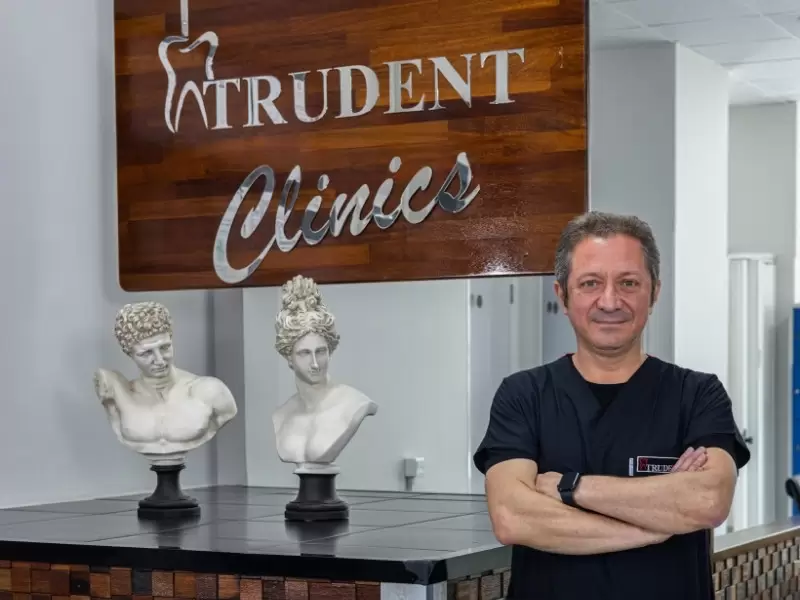
Insurance does not establish clinical quality. Patients should verify the dentist's registration, the clinic's sterilisation processes, available imaging and emergency arrangements. A provider such as TruDent in Izmir should be willing to supply credentials, an itemised quote, expected clinical stages and a written aftercare protocol. Those documents help with consent, budgeting and insurer review.
The contract also matters. A purchase made entirely in Turkey may be governed by Turkish consumer and contract law, while a complaint to an Australian insurer does not replace a complaint to the relevant overseas authority. Use a written agreement that identifies the treating clinician, deposit terms, refund conditions, warranty scope and complaint process. A credit card may offer better dispute options than an irreversible bank transfer, depending on the provider and policy.
Continuity is a practical local reality for Australians travelling from regional areas. Confirm who will manage pain, infection or an adjustment after return, and whether a nearby dentist can review the work without accepting the overseas clinic's warranty. Ask for digital records, including implant and crown identifiers, and request written clearance before flying home after surgery.
Compare the Main Coverage Models
No single policy type guarantees the ideal result, so compare the wording against the planned procedure rather than the premium alone. Australian extras, short-term travel medical cover and cover specifically written for overseas dental treatment have different strengths and gaps. The main distinctions are shown below; final protection depends on the named policy, limits and exclusions.
| Coverage point |
Australian private extras |
General travel medical policy |
Cover for overseas dental treatment |
| Veneers, aligners, implants |
Often limited to eligible services provided in Australia; annual caps affect major work |
Usually excluded unless overseas dental treatment is expressly included |
May cover named procedures and destinations, often with prior approval and procedure caps |
| Sudden pain or accident |
Depends on preventive and restorative benefits, waiting periods and annual limits |
Often limited to emergency dental treatment, sometimes only accidental injury |
May include emergency treatment and selected complications, subject to policy limits |
| Pre-existing conditions |
Defined by the policy; treatment begun before cover may be excluded |
Common exclusion for known or recently diagnosed dental problems |
Frequently excluded; symptom wording and the look-back period are critical |
| Aftercare and revisions |
Rarely covered beyond normal policy benefits |
May exclude elective revisions and associated travel costs |
Sometimes included for specified complications; warranties and insurance remain separate |
| Evidence required |
Itemised bills, receipts and treatment records |
Policy-specific clinical records, receipts and proof of travel |
Detailed plan, clinical notes, imaging, invoices and written insurer approval |
The comparison highlights why a domestic extras policy should not be treated as travel protection and why a generic travel policy may not fund elective treatment. Purpose-built dental travel cover can fill some gaps, but may still cap crowns, implants, aftercare or complications. Read any pre-existing definition and geographic terms with the same care as the headline dental benefit.
Make a Protected Treatment Decision
A protected decision follows a clear sequence: obtain an itemised clinical plan, compare it with written policy terms, confirm pre-authorisation, arrange suitable travel and retain complete records. Arrange the insurer before paying a non-refundable deposit. If elective treatment is excluded, budget for it as self-funded and preserve travel cover for unrelated illness or accidents rather than assuming it will reimburse the dental work.
Contact TruDent Clinics to schedule a consultation and request a personalised treatment plan, clinical timeline, cost schedule and aftercare protocol. Take those details to the insurer before committing to treatment or international travel, and keep copies of every approval and clinical record. The clinic can then match the proposed care to the protections you have confirmed in writing.