What Good Dental Sterilisation Looks Like Before Your Treatment
A dental clinic’s sterilisation practices are central to safe care, whether you are visiting for a routine check-up, porcelain veneers, teeth whitening, an implant or urgent treatment. Clean surfaces and fresh gloves matter, but effective infection control involves a complete process that begins when instruments are used and continues until they are safely stored for the next patient.
For Australians considering dental treatment in Izmir, Turkey, it is sensible to assess clinical hygiene with the same care you would use at home. Travelling for treatment may offer access to experienced dentists and competitive prices, yet the quality of sterilisation should never be assumed from a clinic’s appearance, online reviews or modern interior.
A reliable practice should be able to explain how reusable instruments are cleaned, packaged, sterilised and monitored. Staff should also follow clear procedures for hand hygiene, personal protective equipment, dental unit waterlines, treatment surfaces and the disposal of single-use items.
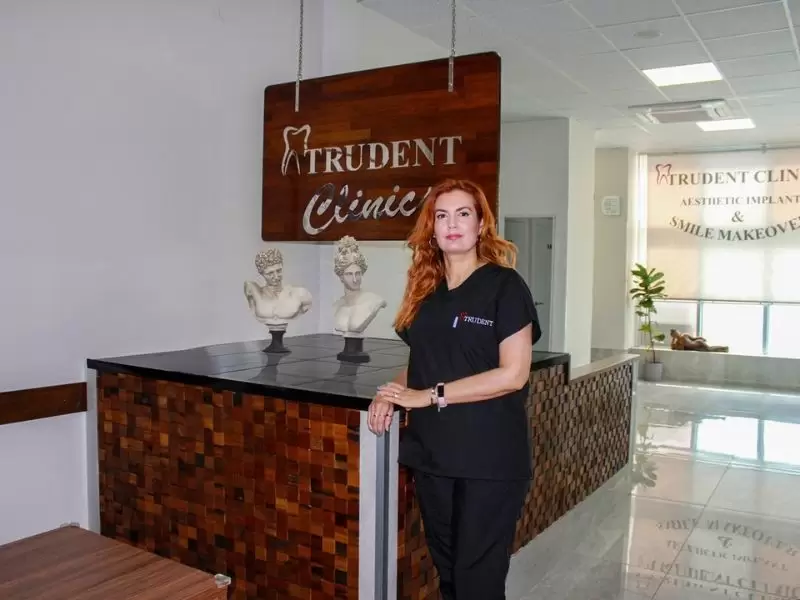
This information can help you compare clinics in Melbourne, Sydney, Brisbane, Perth or Adelaide with providers overseas. It also gives you practical points to discuss with a clinic such as TruDent Clinics in Izmir before arranging a consultation or combining several procedures into one treatment visit.
Look For A Complete Instrument Processing Cycle
Sterilisation begins before instruments enter an autoclave. Used dental instruments should be transported safely to a designated reprocessing area, where visible debris is removed through appropriate cleaning equipment or manual methods carried out with suitable protection. Cleaning is essential because organic material can interfere with the sterilisation process.
After cleaning and inspection, instruments should be dried, packaged and placed in a steam steriliser, commonly called an autoclave, when the materials allow it. The cycle must use the correct combination of time, temperature and pressure. Instruments should remain sealed after sterilisation until they are needed for treatment.
Ask whether the clinic separates dirty and clean workflows. A clearly organised reprocessing area reduces the chance that contaminated instruments will come into contact with sterile packs, treatment supplies or administrative spaces. You do not need to enter the sterilisation room, but staff should be comfortable describing the process in plain language.
A clinic that simply says “everything is sterilised” without explaining how instruments are cleaned, packaged and stored may be providing too little information. Good infection prevention is a repeatable system rather than a general promise.
Check How Sterilisation Is Monitored
A dependable sterilisation programme uses more than the digital display on an autoclave. Physical indicators record cycle conditions, while chemical indicators can show whether a pack has been exposed to the required sterilisation environment. Many practices also use biological indicators, or spore tests, at scheduled intervals to verify that the equipment is working effectively.
Ask how the clinic records autoclave cycles and what happens if a cycle fails. A failed indicator should trigger investigation, corrective action and, where necessary, reprocessing of affected instruments. Staff should know the procedure rather than treating a failed result as a minor inconvenience.
Australian patients may recognise standards such as AS/NZS 4815 and AS 5369, which relate to reprocessing reusable medical devices in healthcare settings. Requirements and local regulations can differ between Australia and Turkey, so these references should be used as points for comparison rather than as a demand that an overseas clinic use an identical system.
You can also ask whether staff receive regular infection-control training and whether equipment is maintained by qualified technicians. Preventive servicing, calibration and documented testing are important because even a high-quality autoclave cannot compensate for poor loading, incorrect packaging or neglected maintenance.
Distinguish Sterile Instruments From Clean Surfaces
A well-run clinic pays attention to the entire treatment environment. Dental chairs, light handles, suction controls, countertops and other frequently touched areas should be cleaned and disinfected between patients. Barriers may be used on surfaces that are difficult to disinfect, but they must be replaced between appointments.
Hand hygiene should take place before and after patient contact, and dentists and assistants should use gloves, masks, eye protection and protective clothing appropriate to the procedure. Gloves are not a substitute for hand cleaning. They should be changed between patients and whenever they become damaged or contaminated.
Many items used in dentistry are intended for single use, including certain needles, saliva ejectors and protective materials. These should be opened from sealed packaging when required and disposed of in suitable clinical waste containers. Reusable handpieces and other equipment require specific cleaning and sterilisation procedures; wiping the outside is not enough.
For implant surgery, extractions, periodontal treatment or emergency dental care, ask how the team prepares the surgical area and handles sterile packs. Cosmetic procedures such as veneers or crowns also involve instruments that enter the mouth, so infection control remains relevant even when treatment is elective.
Ask Direct Questions Before Booking
You do not need specialist medical knowledge to raise sensible questions. A reputable clinic should respond respectfully and provide clear details without making you feel difficult. If you are planning a smile makeover in Izmir, request this information during an online consultation rather than waiting until you arrive.
Useful questions to ask the clinic include:
- Is each reusable instrument cleaned before it is placed in the autoclave?
- How are autoclave cycles monitored and documented?
- Are sterile instruments kept in sealed, dated packaging?
- Which items are single-use and discarded after treatment?
Look at the answers as well as the wording. Specific explanations about instrument packs, monitoring records, staff training and failed cycles are more reassuring than broad claims about being “the cleanest clinic.” You can also ask whether you may see the packaging before treatment and whether the dentist will explain the procedure and associated risks.
For patients travelling from Australia, practical communication matters. Confirm who will handle questions in English, how treatment records are shared, and what happens if a concern develops after you return to Australia. A clinic that takes hygiene seriously should also have a clear process for documenting treatment and responding to follow-up issues.
Consider The Whole Patient Safety System
Sterilisation is one part of a wider clinical safety culture. The clinic should take a medical history, record allergies and medications, and identify conditions that may affect healing or anaesthesia. This is especially important for patients considering dental implants, extensive crown work or several procedures during a single trip.
A suitable treatment plan should also account for recovery time and follow-up. Patients from Sydney or Perth may need to remain in Turkey for review appointments, while those returning quickly to Australia should understand which symptoms require urgent attention and how records can be sent to a local dentist. Travel insurance may exclude planned treatment, so arrangements should be checked before departure.
The clinic’s general environment can provide useful clues. Staff should manage sharps safely, maintain clean clinical areas and avoid reusing disposable materials. The practice should also explain how it protects patient privacy and stores medical information, since good organisation often reflects broader attention to safety.
Be cautious of unusually low prices that leave no room for clear explanations, qualified staff or proper follow-up. The Australian dental market includes strict expectations around infection control, informed consent and professional accountability; when comparing an overseas provider, focus on equivalent evidence of safe systems rather than price alone.
Positive Signs During A Clinic Visit
- Staff clean their hands and change gloves between patients
- Instruments arrive in intact, sealed sterilisation pouches
- Treatment surfaces are disinfected and prepared between appointments
- Questions about infection control receive specific, calm answers
A modern clinic may also use digital records, advanced imaging and sophisticated materials, but technology should support sound clinical routines rather than distract from them. Sterilisation equipment should be appropriate for the workload, maintained properly and operated by trained staff.
If you notice torn pouches, damp packs, expired indicators, overflowing clinical waste or instruments stored loosely in drawers, raise the issue before treatment begins. One observation does not always reveal the entire system, but repeated signs of poor organisation deserve serious attention.
A consultation is an opportunity to assess whether the dentist listens to your concerns and explains alternatives. At TruDent Clinics, patients considering veneers, crowns, aligners, whitening, implants, general dentistry or botulinum toxin treatment can discuss their goals and ask how infection-control procedures fit into the planned care.
For Australians planning treatment in Izmir, request a personalised consultation and ask for clear information about instrument sterilisation, clinical hygiene, treatment timing and aftercare. Choosing a clinic that communicates openly about these processes helps you approach your dental care with greater confidence from the first appointment.