What you need to know about anesthesia options for anxious patients
Dental anxiety ranges from mild unease at an X-ray to panic, nausea or an inability to tolerate treatment. It is common enough that experienced teams plan for it rather than treating it as a personal failing. The useful question is what degree of control, comfort and memory management you need. A good assessment opens sensible, staged options without assuming everyone needs the strongest treatment.
In Australia, people may say they are “white-knuckling” a dental visit or simply call themselves a nervous patient. Australian English usually uses anaesthesia, while international sources may use anesthesia. Costs and access also vary: Medicare generally does not cover routine dental treatment, private health extras may help with eligible services, and public dental clinics in Sydney, Melbourne and regional areas often involve waiting lists.
Why anxiety changes the treatment plan
Anxiety is not one diagnosis. Fear of the drill, needle, gag reflex, loss of control or a painful previous visit calls for different responses. Some people feel calmer when they understand each step and can stop the procedure. Ask what happened, what worries you and what outcome would feel tolerable rather than labelling every nervous patient as needing sedation.
Before choosing a method, the dentist should review medical conditions, medicines, allergies, alcohol or substance use, pregnancy and airway or heart-and-lung concerns. If you have severe pain, facial swelling or trauma, say so when booking; urgency and anxiety support must be planned together. Infection can also change how local anaesthetic works, so stronger sedation is not always the answer.
A staged plan usually begins with the least intensive approach that delivers safe, timely care. It may combine numbing, short appointments, a stop signal, breaks and distraction. If fear has caused cancelled appointments or long-term avoidance, tell the team; that history matters when planning lengthy restorative work.
Local anaesthetic and supportive techniques
Topical numbing gel can reduce injection sting, while injected local anaesthetic blocks sensation while you remain awake. A practised injection technique, vibration, slow delivery and calm pacing can make the experience less threatening. For mild anxiety, communication and control may be enough; local anaesthetic manages sensation but does not automatically address fear itself.
If inflammation or infection is present, local anaesthetic may not work fully, and the cause still needs treatment. Sedation can make an episode more tolerable, but it does not replace drainage, stabilization or definitive care. That distinction matters in emergency visits and longer procedures, where the dentist needs time and movement control to work safely.
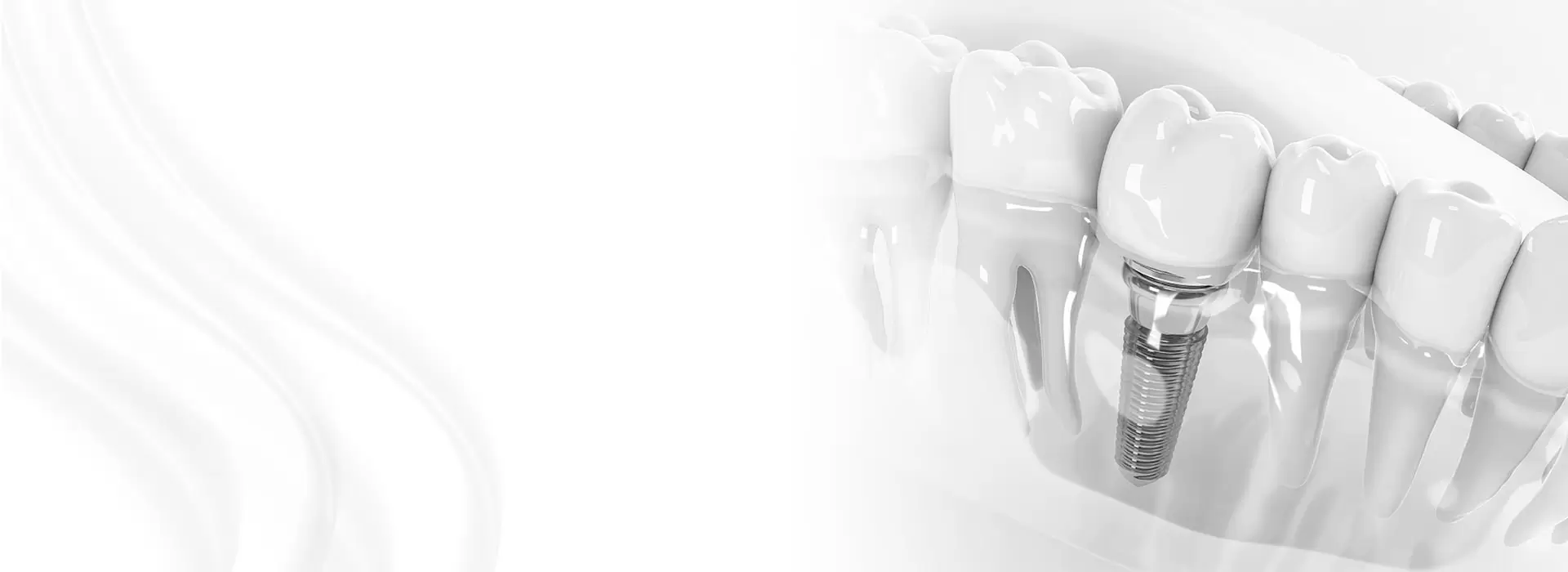
When missing teeth are also part of the concern, TruDent's guidance on aesthetic and functional loss can help frame the wider goals. Restoring chewing, appearance and confidence may be motivating, yet lengthy appointments can trigger the same anxiety. The plan should consider the result alongside a realistic number of visits, anaesthetic method and recovery arrangements.
Oral, intravenous and inhaled sedation
Oral sedation uses a prescribed medicine taken before the appointment and can suit people who want to arrive calmer. It requires exact timing, clear instructions and usually an escort home. Intravenous sedation is given in the chair, allowing the dentist to titrate the amount and reverse it if necessary. The team monitors breathing, oxygen level, heart rate and blood pressure, with the depth documented.
Terms such as “twilight sedation” are imprecise. Some patients remain awake and responsive; others become deeply relaxed or briefly unconscious, depending on the drug and dose. Ask what depth is intended, who administers it, what equipment is available and what emergency protocol applies. Sedation reduces anxiety but cannot guarantee you remember nothing.
Choice depends on health, previous experiences, procedure length and desired control. Oral medication feels less intensive but is less adjustable; intravenous sedation allows quicker adjustment. Neither should be combined with alcohol, unprescribed sleeping tablets or other sedatives, and both generally mean you cannot drive yourself home.
Nitrous oxide and general anaesthesia
Nitrous oxide is inhaled through a small mask and is often used for mild-to-moderate anxiety or needle fear. Its effects can be adjusted quickly, and it may be paired with local anaesthetic. It is not suitable for everyone, so the dentist should review relevant medical conditions and confirm that a trained clinician and appropriate monitoring will be present.
General anaesthesia is a different level of care. You are unconscious, while an anaesthetist manages the airway, medicines and monitoring and the dentist performs the procedure. It may be considered for severe anxiety, longer or more involved treatment, or specific medical needs. Risks include nausea, sore throat, delayed recovery and rare airway or drug reactions, making emergency equipment and a clear recovery process essential.
Deep sedation and general anaesthesia should not be treated as interchangeable labels. Follow written fasting and medication instructions exactly, because requirements differ between routine local anaesthetic and sedated or anaesthetised treatment. Arrange a responsible adult, go straight home and avoid driving, work, important decisions or caring for a child until recovered. If travelling overseas, treat the journey home as part of recovery.
Planning dental treatment in Izmir from Australia
Australians considering treatment in Izmir have a travel component that a local anaesthetic-only visit does not. Long-haul flights from Sydney, Melbourne or Brisbane can follow treatment quickly, which is poor for a groggy patient. Ask for a written minimum interval before flying and allow an extra recovery night; exact advice depends on the sedation, procedure and airline. Do not book a departure assuming that walking around means you have recovered.
Check finances before committing. Medicare usually provides no benefit for routine dental treatment abroad, and a private health fund may cover overseas treatment only if its policy allows it. Travel insurance can exclude elective dental work or sedation-related complications. Request an itemised quote covering consultation, imaging, treatment, anaesthetic, medicines, follow-up and emergency care.
Verify who will treat you and where. Foreign registration is not equivalent to Australian registration with AHPRA, so ask for the dentist's and anaesthetist's qualifications, the facility's authorisation, sterilisation processes and emergency arrangements. A written English plan should include aftercare, contact details and instructions for pain, swelling, fever or bleeding. Patients comparing providers can also review this clinic overview as one source, but independent credential checks remain essential.
Questions and preparation before choosing sedation
Compare options instead of simply asking for the strongest sedation. Bring a short history of dental visits, including panic, fainting or numbing failure. These details help match the method to your health, preferences and treatment demands.
At the consultation
- Which option is the least intensive approach likely to work?
- What medicine or gas will be used, and how deep will it be?
- Who monitors me, and what emergency equipment is available?
- What are the extra costs, visit time and recovery requirements?
The preparation checklist is just as important:
Before treatment
- Bring medicines, supplements, allergy and medical-history details.
- Follow only the fasting instructions given for this procedure.
- Arrange an escort, transport home and a quiet recovery period.
- Confirm who to call after treatment and when urgent review is needed.
For an Australian flying home, carry prescriptions in their original packaging, copies of clinical records and the dentist's after-hours contact. Keep receipts and insurer correspondence. If you take regular medicines, ask how sedation interacts with them and what to skip or continue; never stop prescribed medicine without instructions.
Take the first step with a personalised plan
The safest option balances anxiety with safe treatment, not automatically the deepest sedation. A personalised assessment should cover medical history, previous experiences, treatment length, budget, support at home and travel plans, with a clear escalation route if local anaesthetic alone is insufficient.
Book a consultation with TruDent Clinics and explain your anxiety before treatment begins. Ask for a staged plan, itemised estimate, written aftercare and a named clinician to contact if something changes. That preparation gives you a practical next step and lets the team build care around your teeth and the reassurance you need.