Why Turkey Appeals to Australians Seeking Quality Dental Care
Dental treatment in Turkey has become a serious option for Australians considering cosmetic dentistry, implants, crowns, veneers and smile makeovers. The appeal comes from a combination of experienced clinicians, modern clinics and treatment fees that can be lower than private dental prices in Australia. Izmir, Istanbul and Antalya are especially well known for international patient services, with Izmir offering a relaxed coastal setting and strong transport connections.
For Australian patients, the decision involves more than comparing a treatment quote. Travel costs, aftercare, the complexity of the procedure and the clinic’s approach to diagnosis all matter. When a provider creates an individual plan, explains the materials being used and sets out the full treatment timeline, overseas care can become a practical and carefully managed choice rather than a budget shortcut.
Why Treatment Costs Can Be Lower
Australian private dental care reflects local wages, commercial rents, laboratory expenses, insurance costs and regulatory overheads. A complex restoration in Sydney, Melbourne or Brisbane may involve several appointments and significant laboratory fees. Turkey has a different operating-cost structure, which can allow reputable clinics to offer competitive prices while investing in contemporary equipment and specialist teams.
Lower pricing does not automatically mean lower quality. The important comparison is between equivalent treatments, materials and clinical steps. A quote for porcelain veneers should specify the type of ceramic, preparation required, temporary restorations, laboratory work and follow-up arrangements. Implant pricing should make clear whether it includes the implant fixture, abutment, crown, imaging, bone grafting if required and medication.
Travel expenses still need to be included in the overall budget. Return flights from Melbourne, Perth or Sydney, accommodation, airport transfers and time away from work can change the final figure. Even so, many Australians find that combining treatment with a short stay can remain financially attractive, particularly for extensive restorative or cosmetic dentistry.
Quality Begins With Diagnosis And Planning
A high-quality clinic should begin with a detailed assessment rather than offering a fixed package based only on photographs. Digital scans, panoramic imaging and, where clinically necessary, three-dimensional imaging help the dentist evaluate bone volume, gum health, bite alignment and existing restorations. This information supports safer decisions about implants, crowns, veneers and orthodontic treatment.
Personalised treatment planning is especially important when several procedures are combined. A patient may need periodontal care before veneers, a night guard after cosmetic work or staged implant treatment following tooth removal. The order of treatment affects healing, function and appearance. A clear written plan should explain the number of visits, approximate timings, alternatives and situations that could alter the estimate.
Australian patients can also use remote communication before booking flights. A clinic’s tele-dentistry consultation may help review photographs, discuss concerns and identify the records needed for an initial assessment. It cannot replace an in-person examination, but it can make the first stage more efficient and help patients understand whether a visit is likely to be suitable.
Experienced Dentists And Modern Technology
Turkey has developed a large private healthcare sector serving both local residents and international patients. Established dental clinics often bring together prosthodontists, implant dentists, oral surgeons, hygienists and dental technicians. This team-based model can be valuable when a case involves multiple disciplines, such as sinus lifting, full-mouth rehabilitation or an implant-supported bridge.
Technology also affects precision and comfort. Digital impressions can reduce the need for traditional moulds, while computer-aided design and manufacturing help technicians create accurately shaped restorations. Digital smile design may allow patients to preview proportions and tooth contours before treatment begins. Laser equipment, magnification and modern sterilisation systems can support efficient care when used appropriately.
Patients should still verify the individual dentist’s qualifications and experience. A polished website and attractive clinic photographs are useful, but they do not prove clinical capability. Look for clear information about the treating dentist, professional registration, treatment photos that show comparable cases and an explanation of how complications are handled.
Cosmetic Dentistry With Function In Mind
Veneers and whitening are often associated with a brighter smile, but cosmetic dentistry should preserve healthy tooth structure and support comfortable function. Veneers may be appropriate for selected chips, discolouration or shape concerns, while crowns are generally used when a tooth needs greater structural protection. Removing healthy enamel simply to achieve a trend-based look can create long-term problems.
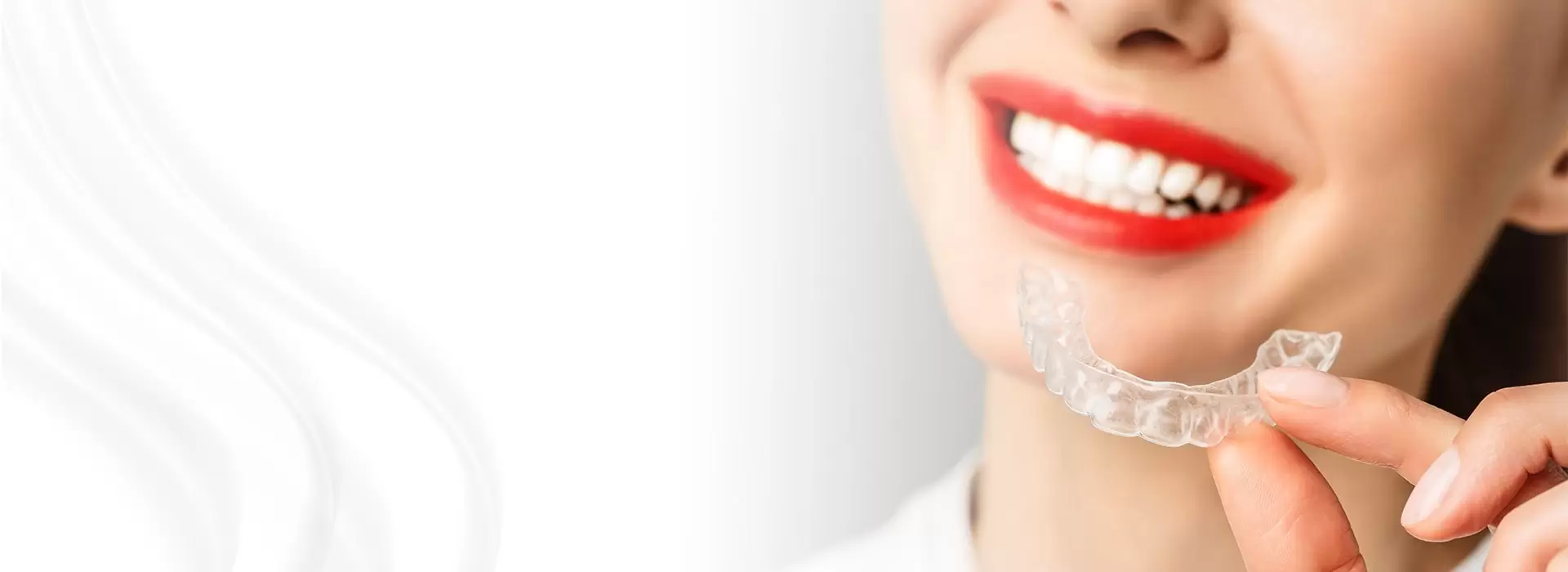
Invisible aligners may help with mild to moderate crowding, spacing and certain bite concerns. They require regular wear and careful review, even when some appointments take place remotely. A realistic plan should explain whether attachments, refinements or retainers are likely to be needed. Teeth whitening should also be assessed in relation to fillings, crowns and sensitivity, because restorations do not change colour in the same way as natural teeth.
Botulinum toxin treatment may be offered for cosmetic facial concerns or jaw-related issues such as muscle tension and clenching. It should be provided by a suitably trained practitioner after a proper medical assessment. Patients need to understand how long results may last, when review is required and which symptoms require a different form of dental or medical care.
Managing Implants And Complex Restorations
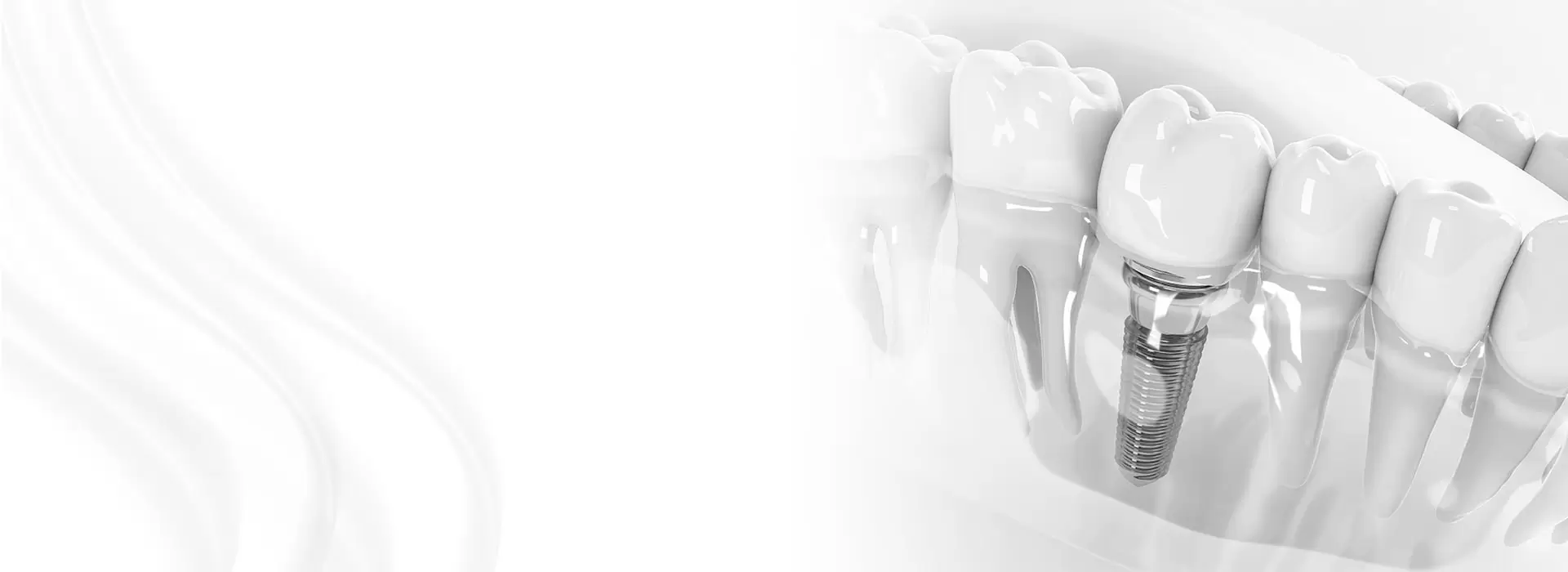
Dental implants can provide a stable replacement for missing teeth, but they are a surgical treatment with a healing period. Some cases can be completed during one trip, while others need staged visits several months apart. Bone grafting, gum treatment and temporary teeth may be necessary before the final crown or bridge is fitted.
A responsible clinic will avoid guaranteeing an identical result for every patient. Smoking, uncontrolled diabetes, gum disease, poor oral hygiene and insufficient bone can affect healing and implant success. The dentist should explain these factors before treatment and offer alternatives where an implant is unsuitable. Patients should also receive implant brand details, component information and copies of diagnostic records for future care in Australia.
Complex cosmetic work requires similar caution. Crowns and veneers need regular maintenance, and a damaged restoration may need repair or replacement years later. Before travelling, ask who will manage urgent concerns after returning home, whether the clinic provides written aftercare and how communication works across time zones. Keeping copies of scans, prescriptions, invoices and laboratory records makes local follow-up easier.
Making An Overseas Dental Visit Safer
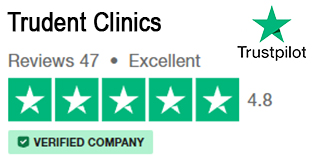
Research should include independent reviews, professional credentials, clinic hygiene standards and the wording of the treatment agreement. Be cautious of unusually low offers that depend on immediate payment or pressure patients into extensive work. A sound provider gives patients time to consider the plan and explains why each recommended procedure is clinically appropriate.
The travel schedule should allow recovery time rather than placing treatment between sightseeing activities. Izmir’s Aegean climate and waterfront districts can make recovery comfortable, but sun exposure, swimming and strenuous activity may be restricted after surgery. Australians used to Medicare should remember that overseas private dental treatment is generally not covered in the same way as eligible public medical services, and private health insurance may exclude treatment received abroad.
Travel insurance policies vary widely, particularly for planned medical treatment and complications. Patients should check exclusions before departure and arrange suitable cover where available. It is also wise to identify a dentist near home before travelling, especially after implants or full-mouth rehabilitation. In Melbourne, Adelaide or regional New South Wales, a local practitioner may be able to provide examinations and routine maintenance even if the original treatment was completed overseas.
For Australians, the best value comes from combining fair pricing with strong clinical standards, transparent communication and sensible follow-up. Dental tourism in Turkey can offer access to advanced care at a lower overall treatment cost, but the quality of the planning process matters as much as the headline price.
TruDent Clinics in Izmir provides cosmetic and general dentistry, including veneers, crowns, teeth whitening, aligners, implants, emergency treatment and personalised smile planning. Begin with a consultation to discuss your dental goals, review suitable treatment options and receive a plan that reflects your oral health, travel schedule and long-term needs. Contact the clinic before booking flights so your proposed care can be assessed thoroughly and arranged with appropriate support.