Why Some Patients Need Bone Grafting Before Implants
Dental implants rely on a strong foundation inside the jaw. When a tooth is lost, the surrounding bone can gradually shrink, leaving too little width, height, or density to support an implant securely. In these cases, bone grafting may rebuild the area before implant placement or be completed at the same appointment.
For Australian patients considering treatment in Izmir, understanding this step can make treatment planning clearer. A detailed assessment, usually involving dental X-rays and three-dimensional CBCT imaging, helps determine whether grafting is necessary, which technique is suitable, and how long the full process may take.
Why Bone Grafting Can Be Necessary
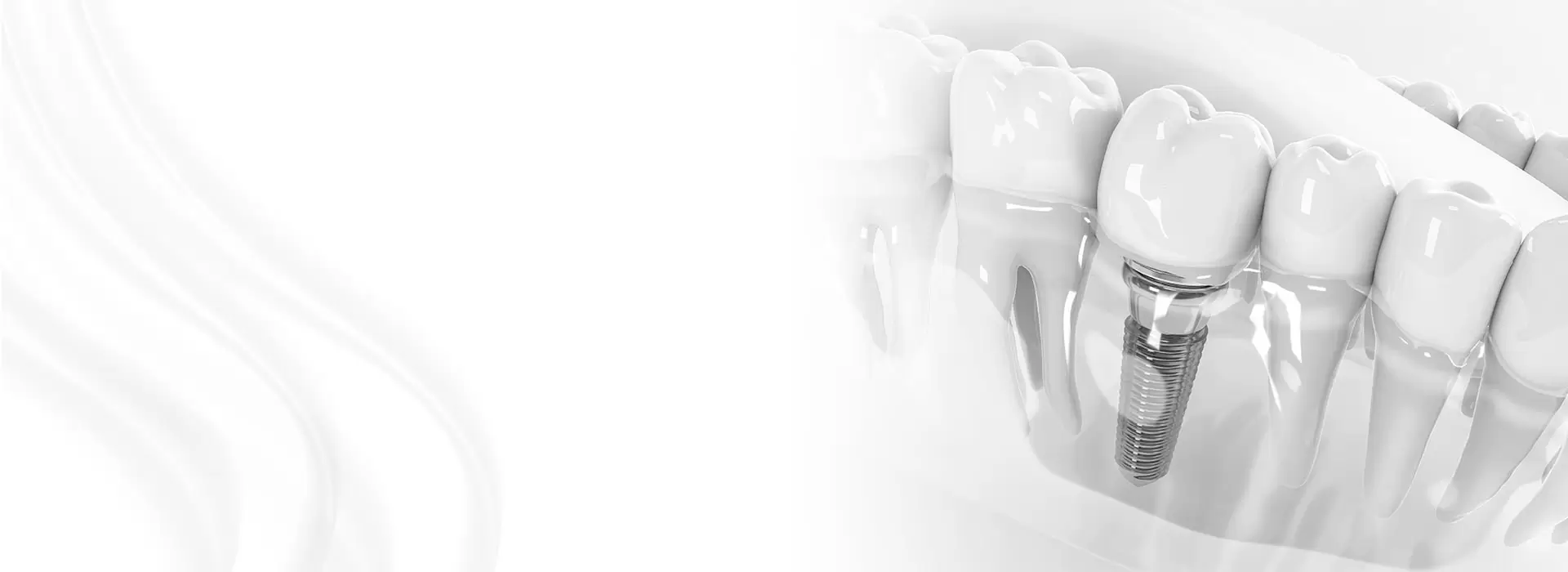
A dental implant is held in place through osseointegration, a process in which the implant bonds with the surrounding jawbone. The implant needs adequate bone volume and quality to remain stable while healing. If the ridge is too narrow or shallow, placing an implant immediately may increase the risk of movement, poor integration, or damage to nearby structures.
Bone grafting adds or preserves material in the area where bone has been lost. Over time, the graft can support new bone growth and create a more dependable foundation. This does not mean every patient with missing teeth needs a graft. Some people have sufficient bone for immediate implant placement, while others may need a small graft, a larger reconstruction, or an alternative treatment plan.
Grafting may also support a more natural-looking result. The bone beneath the gum helps maintain the shape of the jaw and soft tissue. Rebuilding a deficient ridge can make it easier to position the implant correctly and design a crown that matches the surrounding teeth.
How Bone Loss Develops
The most common cause is tooth loss. Natural tooth roots stimulate the jawbone during chewing. Once a tooth is removed, that stimulation disappears, and the bone can begin to resorb. The change may be gradual, but significant narrowing can occur over several months or years.
Infection is another important factor. Advanced gum disease can destroy bone around teeth, while an untreated abscess may leave a defect after extraction. Trauma, congenital differences, long-term denture use, and certain medical conditions can also contribute. A patient may feel comfortable and have no obvious symptoms while still having reduced bone volume.
The position of the missing tooth matters as well. In the upper back jaw, the maxillary sinus may sit close to the roots. When bone height is limited in this region, a sinus lift may be recommended to create space for additional bone. In the lower jaw, the dentist must consider the location of the nerve canal before deciding on implant length and placement.
Which Grafting Approach May Suit You
The appropriate procedure depends on the shape of the defect, the location of the missing tooth, and the condition of the surrounding tissues. A socket preservation graft can be placed when a tooth is removed, helping reduce collapse while the area heals. A ridge augmentation may be used when the jaw is too narrow or too low for an implant.
A sinus lift is generally considered for the upper posterior jaw when the sinus floor leaves insufficient vertical bone. Some cases involve a minor internal sinus lift, while larger deficiencies may require a lateral window approach. The choice is based on CBCT findings rather than a standard treatment formula.
Graft material can come from the patient, a carefully processed human donor source, an animal-derived material, or a synthetic substitute. Each option has specific benefits and limitations. The dentist should explain the material proposed, how it is handled, expected healing time, and whether a protective membrane or other supporting technique will be used.
A graft may be completed before implant placement, at the same appointment, or as part of a staged reconstruction. Immediate placement is sometimes possible when the remaining socket walls are healthy and sufficient bone is present. The decision should prioritise stability and long-term function rather than speed alone.
What Your Assessment Should Cover
A consultation should examine your oral health, medical history, medications, bite, gum condition, and previous dental treatment. Smoking, uncontrolled diabetes, some immune conditions, and certain medicines can affect healing. These factors do not automatically rule out grafting, but they may require extra planning or medical coordination.
Patients travelling from Australia may also need to consider how treatment fits around work and recovery. A person flying from Melbourne, Sydney, Brisbane, Perth, or Adelaide to Izmir may need separate visits for grafting and implant placement. A local Australian dentist can sometimes assist with routine checks before or after overseas treatment, although responsibilities and fees should be clarified in advance.
A thorough plan should identify:
- The amount and location of bone loss
- The proposed graft material and technique
- Whether grafting and implant placement will be staged
- The estimated healing period and review schedule
Before committing to treatment, also confirm:
- Which scans, reports, and implant details you will receive
- What happens if healing is slower than expected
- How urgent problems will be managed after returning to Australia
- Whether your private health insurance offers any relevant extras cover
Adult dental treatment is generally not covered by Medicare, and private health policies often apply waiting periods, item limits, and exclusions to major dental procedures. Overseas treatment may also fall outside Australian policy benefits. Checking the exact terms with your insurer is important, particularly if you are comparing the total cost of a Turkish dental trip with care in Australia.
Understanding The Healing And Implant Timeline
Bone graft healing varies according to the procedure and the amount of reconstruction required. A small socket graft may stabilise relatively quickly, while a larger ridge augmentation can require several months before an implant is placed. Many patients are assessed after approximately four to nine months, although the clinical situation determines the actual timing.
The process may involve an initial consultation and scan, tooth removal if necessary, graft placement, a healing review, implant surgery, another integration period, and finally the permanent crown. Temporary teeth may be available during some stages, but this depends on the position of the missing tooth and the stability of the treatment site.
The early recovery period commonly includes swelling, tenderness, and minor bruising. Your dentist may recommend a soft diet, careful brushing around the area, prescribed medication, and avoidance of smoking. Following aftercare instructions is particularly important for patients who will be travelling soon after surgery.
Travel planning should allow enough time for the first review and avoid scheduling surgery immediately before a long flight. Air travel may be uncomfortable after some oral procedures, and unexpected swelling or infection can require prompt attention. TruDent Clinics can explain its recommended review schedule, but patients should also organise a clear aftercare pathway in Australia.
Choosing A Careful Implant Plan
A bone graft is a medical procedure, not simply an optional add-on to dental implant treatment. The recommendation should be supported by imaging and a clear explanation of the problem it is intended to solve. You should understand whether the goal is to increase bone height, widen the ridge, protect the sinus, preserve an extraction site, or improve the final appearance.
Ask for a written plan that separates surgical, restorative, imaging, medication, and follow-up costs. If treatment is arranged overseas, request copies of CBCT scans, implant brand and model information, graft details, operative notes, and crown specifications. These records can be valuable if you need care from an Australian dentist later.
Good candidates are assessed as individuals rather than placed into a fixed package. Gum disease should be treated, oral hygiene should be stable, and health conditions should be disclosed fully. Smoking cessation, blood sugar management, and a review of current medication may improve the prospects of successful healing.
TruDent Clinics in Izmir provides consultations for implant treatment and personalised dental plans, including bone grafting where clinically appropriate. An assessment can clarify your bone condition, treatment stages, estimated recovery, and options for coordinating care before and after travel. Schedule a consultation and bring any previous dental records or scans so your implant plan can be based on complete information.