Why you might need a bone graft before implant surgery
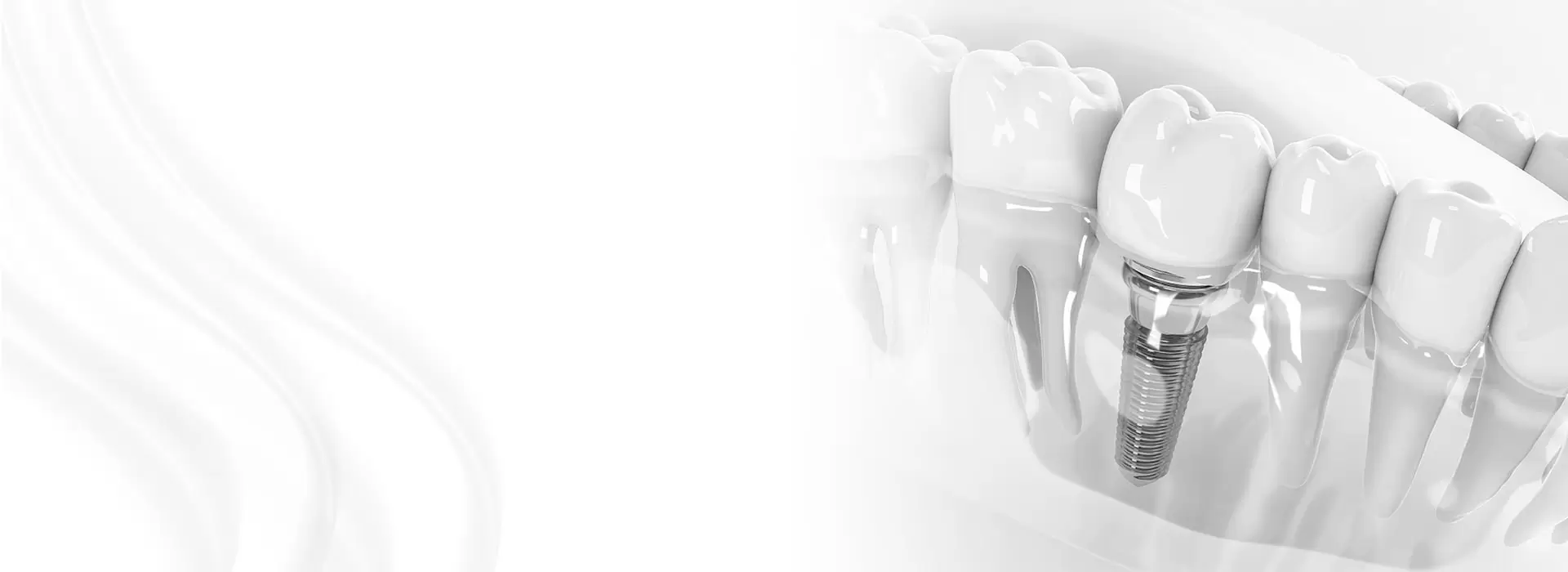
Dental implants are designed to replace missing teeth with a stable, natural-looking solution. However, an implant needs enough healthy jawbone for support. When bone has become too thin, too short, or too soft, placing an implant immediately may produce an unstable result.
A bone graft can rebuild part of the lost jaw structure and create a stronger foundation for implant treatment. This does not mean every patient with missing teeth needs grafting. The decision depends on the location of the tooth, the amount of bone available, gum health, medical history, and the findings from dental scans.
At TruDent Clinics in Izmir, Turkey, an implant consultation includes an assessment of your teeth, gums, bite, and jawbone. A personalized treatment plan can show whether bone augmentation is necessary, which grafting method may be appropriate, and how long treatment is likely to take.
Why jawbone volume matters
Natural tooth roots stimulate the surrounding bone whenever you chew. After a tooth is removed, that stimulation stops. The body gradually resorbs the bone, causing the ridge to become narrower and sometimes shorter. This process can begin soon after extraction and may continue over several years.
An implant is anchored inside the jawbone, so it requires sufficient width, height, and density to remain secure. If the implant is placed in an area with inadequate support, it may fail to integrate properly with the bone. In some cases, the implant could also be positioned too close to the sinus, nerves, or neighboring teeth.
Bone quality matters as much as bone quantity. Long-term gum disease, infection, trauma, cysts, or previous tooth loss can affect the condition of the jaw. Patients who have worn removable dentures for many years may also have significant bone shrinkage beneath the denture.
Situations that may call for grafting
A dental CT scan or three-dimensional X-ray allows the dentist to measure the jawbone accurately. A graft may be recommended when the ridge is too narrow for the planned implant, when there is insufficient vertical height, or when an extraction has left a large defect.
The upper back jaw often presents a specific issue. The maxillary sinus can expand into the space previously occupied by tooth roots, leaving limited bone for an implant. A sinus lift, sometimes combined with a bone graft, can gently raise the sinus floor and add material to the implant site.
Grafting may also be considered after an old infection or advanced periodontal disease has damaged the socket. If an implant is planned immediately after extraction, socket preservation can help limit bone loss while the area heals. The final choice depends on the size and shape of the defect rather than the fact that a tooth is missing alone.
Common grafting approaches
During bone augmentation, the dentist places grafting material in the area that needs additional support. The material acts as a framework where the body can form new bone. A protective membrane may be used to keep soft tissue from growing into the healing site.
Several graft sources are available. Autogenous bone comes from another area of the patient’s body, while processed donor bone, animal-derived material, or synthetic substitutes may be used as alternatives. Your dentist will explain the material selected for your case, including its source, expected behavior, and any relevant safety considerations.
The procedure is usually performed with local anesthesia, although sedation may be discussed for patients who feel anxious or require a more extensive procedure. A sinus lift can be performed through different techniques depending on the available bone height. The treatment plan should explain whether the implant can be placed during the same appointment or after a separate healing period.
| Treatment situation |
Possible approach |
Typical consideration |
| Narrow jaw ridge |
Ridge augmentation |
The implant may need to wait until the graft matures |
| Small extraction-site defect |
Socket preservation |
Often planned at or soon after tooth removal |
| Reduced bone beneath the sinus |
Sinus lift with grafting |
Frequently used for upper back teeth |
| Adequate bone with minor deficiency |
Simultaneous graft and implant |
Possible when primary implant stability is achievable |
| Severe bone loss |
Staged reconstruction |
May require several healing phases and detailed planning |
Healing and implant timing
The healing period varies according to the graft size, location, grafting technique, and individual healing response. A small socket preservation procedure may heal faster than a large ridge reconstruction. Many patients need several months before the graft is ready to support an implant.
During follow-up appointments, the dentist checks the gum tissue and evaluates whether new bone has formed sufficiently. Another scan may be taken before implant placement. In selected cases, the graft and implant can be completed together, which may shorten the overall timeline, but this is only suitable when the implant can be held securely from the start.
After implant placement, osseointegration takes additional time. This is the process in which bone grows around the implant surface and stabilizes it. A temporary tooth may be provided while the implant and graft heal, depending on its location and the patient’s bite.
What recovery may involve
Swelling, tenderness, bruising, and mild bleeding can occur after bone grafting. These effects are usually managed with the medication and aftercare instructions provided by the dental team. Cold compresses, a soft diet, and careful oral hygiene may support a comfortable recovery.
Patients are commonly advised not to disturb the surgical site, smoke, or apply pressure to the area. Smoking can restrict blood flow and interfere with wound healing, increasing the risk of complications. It is also important to attend scheduled reviews, even if the area feels normal.
As with any oral surgery, infection, graft exposure, persistent discomfort, or inadequate bone formation can occur. The risk depends on the patient’s health, the procedure, and aftercare. Contacting the clinic promptly about worsening pain, fever, unusual swelling, or continued bleeding helps the dental team respond quickly.
Factors that influence your treatment plan
Medical conditions such as uncontrolled diabetes, immune problems, or certain medications may affect healing. A complete medical history is therefore essential before grafting or implant surgery. The dentist may coordinate with your doctor when necessary and may recommend improving general health before treatment begins.
Gum disease should be controlled before an implant is placed. Active infection can damage the surrounding tissues and increase the likelihood of implant complications. Daily brushing, interdental cleaning, professional hygiene visits, and regular maintenance are important for both natural teeth and implants.
The number of missing teeth and the final restoration also influence the approach. A single implant, an implant-supported bridge, and a full-arch restoration can require different levels of bone support. A detailed consultation helps balance long-term stability, appearance, function, treatment time, and budget.
Steps to prepare for successful treatment
- Provide a complete list of medications, supplements, allergies, and existing medical conditions.
- Arrange the recommended dental scans so the available bone can be assessed precisely.
- Treat active gum disease, decay, or infection before beginning implant-related surgery.
- Stop smoking or seek support to reduce tobacco use before and during healing.
- Follow the clinic’s instructions about eating, medication, oral hygiene, and activity after the procedure.
Bone grafting can make implant treatment possible when natural jaw support has been reduced, but it is not automatically the right choice for every patient. Some people may be suitable for an implant without grafting, while others may benefit from an alternative restoration such as a bridge or denture. Only an examination and diagnostic imaging can determine the safest option.
TruDent Clinics can evaluate your oral condition, explain whether bone augmentation is needed, and organize a staged or combined treatment plan where appropriate. Schedule a consultation in Izmir to discuss your jawbone health, implant options, expected healing time, and the steps toward restoring a comfortable, confident smile.