Why you might need a gum graft
Healthy gums do more than frame an attractive smile. They protect the roots of your teeth, support the surrounding bone, and create a barrier against bacteria. When gum tissue pulls away from a tooth, the exposed root can become sensitive, vulnerable to decay, and harder to keep clean.
A gum graft is a periodontal procedure that adds tissue to an area affected by gum recession. The treatment may reduce sensitivity, protect the tooth, improve the gumline, and create a more balanced appearance. It is usually planned after a careful examination of your teeth, gums, bite, and brushing habits.
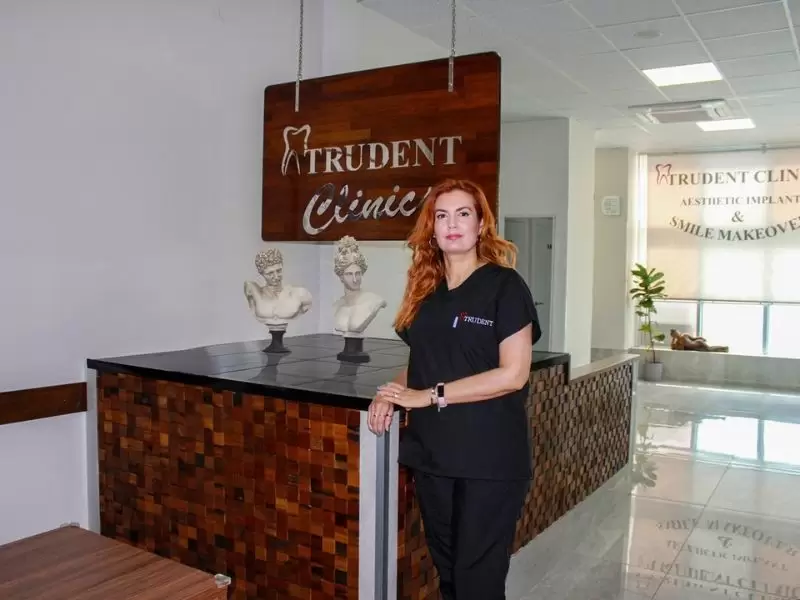
At TruDent Clinics in Izmir, a consultation can help identify why recession has developed and whether grafting is the right option. A personalized plan may also include treatment for gum disease, bite-related pressure, orthodontic concerns, or cosmetic dentistry goals.
What gum recession means
Gum recession occurs when the margin of the gum moves away from the crown of the tooth. This exposes part of the root, which does not have the same strong enamel covering as the visible tooth surface. Root exposure can make hot, cold, sweet, or acidic foods uncomfortable.
Some people notice a tooth looking longer than its neighbours. Others see a notch near the gumline, bleeding during brushing, or a change in the shape of their smile. Recession may affect one tooth or several areas across the upper or lower jaw.
The condition does not always cause pain, so it can progress quietly. A dental professional can measure the depth of recession, assess gum thickness, and check whether infection or bone loss is present. Early evaluation makes it easier to control the cause before more tissue is lost.
Why a gum graft may be recommended
A gum graft can cover an exposed root and add thickness to thin gum tissue. This may reduce sensitivity and make the area less susceptible to further recession. Root coverage can also make brushing more comfortable, allowing better plaque removal around the affected tooth.
The procedure may have a cosmetic benefit when an uneven gumline makes a smile look unbalanced. In some cases, the gum contour is considered as part of a broader smile makeover involving veneers, crowns, whitening, or orthodontic alignment. Gum health should be stabilized before elective cosmetic work begins.
Grafting may also be considered before or after orthodontic treatment if a tooth has a thin layer of gum tissue. It can help protect areas that may be exposed to increased brushing pressure or tooth movement. The need depends on the position of the tooth, the amount of attached gum, and the individual treatment plan.
Common causes of exposed tooth roots
Aggressive brushing is a frequent contributor to gum recession. Using a hard-bristled toothbrush, pressing heavily, or scrubbing horizontally can gradually wear the gum margin. A softer brush and gentler technique may help prevent further damage, but existing recession does not usually grow back on its own.
Gum disease can destroy the tissues supporting the teeth and lead to recession. Plaque and tartar trigger inflammation, while advanced periodontal disease may affect the bone as well. Treating active infection is essential before considering a graft, because grafted tissue needs a healthy environment to heal.
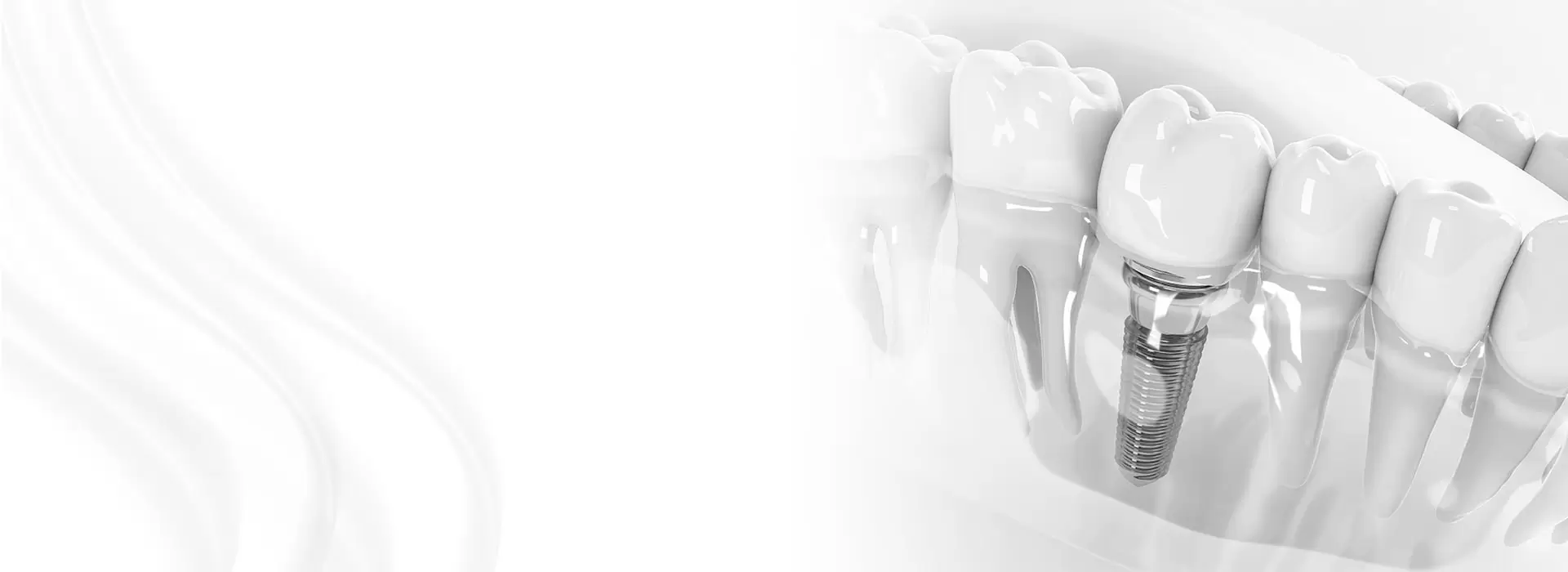
Other factors include naturally thin gums, tooth position, a high frenum attachment, clenching, grinding, tobacco use, and trauma from oral piercings. Recession can also follow dental procedures or develop around an implant. Identifying the underlying cause is important because grafting alone may not prevent the problem from returning.
What happens during treatment
Before surgery, the dentist or periodontal specialist examines the recession and discusses the desired result. X-rays or digital scans may be used when bone levels, tooth roots, or nearby structures need further assessment. The clinician will also review medical history, medications, smoking, and any habits that could affect healing.
During the procedure, the area is numbed with local anaesthetic. Tissue may be taken from the roof of the mouth or obtained from a processed donor material, depending on the case and the patient’s preference. The graft is positioned over the exposed root or placed to thicken the gum, then secured with fine sutures.
Most procedures are completed as outpatient treatment. The exact duration depends on the number of teeth treated and the complexity of the recession. Some patients require more than one appointment when several areas need attention or when gum disease must be managed first.
Comparing gum graft approaches
The best technique depends on gum thickness, recession depth, the position of the tooth, and the amount of tissue available. A consultation should explain the expected level of root coverage, the likely healing process, and whether tissue will be taken from your palate.
| Approach |
Typical use |
Main feature |
Points to discuss |
| Connective tissue graft |
Root coverage and thickening thin gums |
Uses tissue from beneath the surface of the palate |
Often provides a natural-looking result; the palate may be tender |
| Free gingival graft |
Increasing the band of firm, attached gum |
Uses a surface layer of tissue |
Useful when more protective gum is needed; colour matching may vary |
| Pedicle graft |
Localized recession with sufficient nearby gum |
Moves adjacent gum tissue over the exposed root |
Avoids a separate donor site; suitable anatomy is required |
| Donor tissue graft |
Selected root-coverage or tissue-thickening cases |
Uses prepared human or animal-derived material |
May reduce palate discomfort; suitability varies by case |
| Pinhole-style techniques |
Certain localized recession patterns |
Uses a small access point to reposition existing tissue |
Not appropriate for every defect; clinical assessment is essential |
Healing and aftercare
It is normal to experience mild swelling, tenderness, or sensitivity after a gum graft. The treated area and, when applicable, the roof of the mouth may feel uncomfortable for several days. Prescribed or recommended medication can help manage symptoms, while a cold compress may reduce swelling during the first day.
Patients are generally advised to avoid brushing directly over the graft until the clinician says it is safe. A special rinse, soft diet, and careful chewing may be recommended during early healing. Smoking and vaping can interfere with blood supply and increase the risk of complications, so avoiding them is especially important.
Follow-up appointments allow the dental team to inspect the graft and remove sutures when appropriate. Healing continues for several weeks, and the final gum contour may take longer to settle. Contact the clinic promptly if there is worsening pain, heavy bleeding, fever, persistent swelling, or a graft that appears to move.
Steps that support healthier gums
Long-term results depend on treating the cause of recession as well as repairing the tissue. These habits can support gum health before and after treatment:
- Use a soft-bristled toothbrush and gentle, small movements at the gumline.
- Clean between the teeth daily with floss, interdental brushes, or another recommended aid.
- Attend professional cleanings and periodontal reviews at the interval advised by your dentist.
- Manage grinding or clenching with an appropriate bite assessment or night guard when indicated.
- Avoid tobacco products and tell your dental team about medicines or health conditions that may affect healing.
Gum grafting is not a substitute for daily plaque control. If gum disease, an uneven bite, or an abrasive brushing technique remains untreated, the surrounding teeth may still be at risk. A tailored maintenance plan helps preserve the graft and protect the rest of the mouth.
When to arrange a dental assessment
A dental visit is appropriate if a tooth has become sensitive, appears longer, or shows a visible change at the gumline. Bleeding, persistent bad breath, loose teeth, pus, or pain may indicate gum infection and should be assessed without delay. Emergency care may be needed when swelling affects swallowing or breathing.
Not every case of recession requires surgery. Mild changes may be monitored with improved home care, desensitizing products, bite management, or treatment of gum inflammation. A specialist may recommend grafting when the exposed root is progressing, symptoms are difficult to control, or the gum is too thin to protect the tooth adequately.
At TruDent Clinics in Izmir, the dental team can evaluate gum recession alongside your wider oral health and aesthetic priorities. If you are considering veneers, crowns, aligners, whitening, or implants, healthy and stable gum tissue can be an important part of planning. The clinic’s consultation process is designed to match treatment to your anatomy, concerns, and desired outcome.
Arrange a consultation with TruDent Clinics to have your gumline examined and receive a clear, individualized recommendation. Early assessment can help protect exposed roots, improve comfort, and guide the next step toward a healthier, more confident smile.