Why a Night Guard Still Matters After a Smile Makeover
A smile makeover can transform the colour, shape and alignment of your teeth, but the forces affecting your mouth do not disappear when treatment ends. Clenching and grinding, known as bruxism, can continue during sleep even when you are unaware of it. A night guard may help protect veneers, crowns, natural enamel, implants and the investment made in your new smile.
This is especially relevant for Australian patients who may drink several coffees during a busy workday, train regularly, commute across Sydney or Melbourne, or manage stress through long evenings on screens. A protective appliance is not automatically necessary for everyone, yet your dentist may recommend one after assessing your bite, restoration material, jaw muscles and sleeping habits.
Your Teeth Can Still Experience Heavy Pressure
Bruxism creates repeated pressure that is very different from ordinary chewing. During sleep, some people clench their teeth for several seconds at a time, while others grind from side to side. The force can be strong enough to flatten natural teeth, chip porcelain, loosen a restoration or cause tenderness around the jaw.
A cosmetic treatment changes the appearance and, in some cases, the structure of your teeth. It does not necessarily change the way your nervous system responds to stress or how your upper and lower teeth meet. Even a carefully planned smile makeover may need additional protection if your bite produces concentrated pressure in one area.
Night-time grinding can be difficult to recognise without professional assessment. Warning signs include morning headaches, tight jaw muscles, tooth sensitivity, small chips, worn edges, fractured fillings and a partner noticing grinding sounds. A dental examination can also reveal polished wear facets or strain around crowns and veneers.
Veneers And Crowns Need A Different Kind Of Care
Veneers are durable when correctly planned and maintained, but they are not indestructible. Biting hard objects, opening packaging with the teeth, chewing ice and grinding during sleep can place stress on the bond between the veneer and the tooth. A guard creates a barrier that helps reduce direct contact and distributes some of the load.
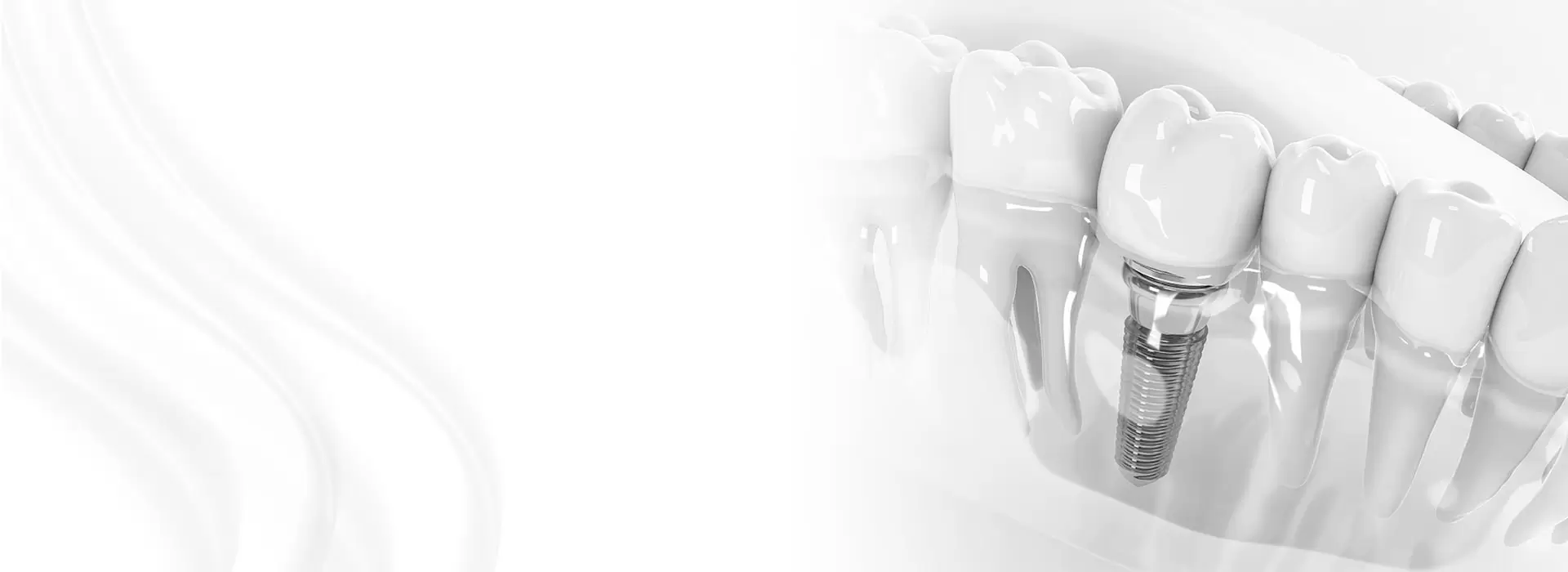
Crowns can also benefit from protection, particularly when they restore molars that absorb substantial chewing forces. Patients with implant crowns may assume that an implant is stronger than a natural tooth, but the surrounding bone and components can still be affected by excessive loading. A customised guard may reduce the risk of screw loosening, porcelain damage or discomfort.
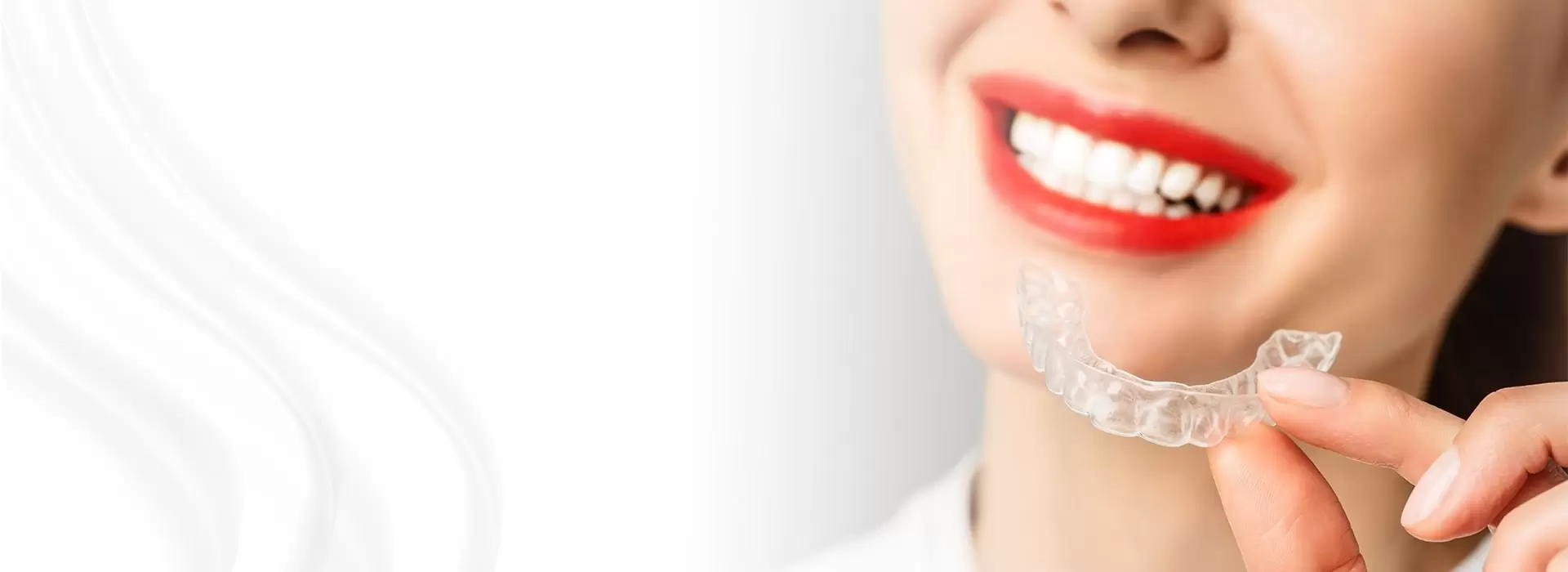
The material and design of an appliance matter. A soft over-the-counter guard may feel comfortable, but it can encourage chewing in some people or fit poorly around recent dental work. A dentist-made appliance is shaped around your current bite and restorations. It should be reviewed if your smile changes, a crown is replaced or aligner treatment moves your teeth.
Jaw Symptoms May Be The First Warning
A night guard is sometimes recommended because of temporomandibular joint symptoms rather than visible tooth damage. Jaw clicking, limited opening, facial fatigue, ear-area discomfort and pain on waking can be linked to muscle overactivity or an uneven bite. These symptoms have several possible causes, so a proper assessment is important before choosing an appliance.
Some patients have a habit of clenching during concentration, driving or stressful work, then continue the pattern while asleep. Late-night screen use and online routines can also contribute to irregular sleep and heightened tension; a discussion of online habits may be relevant when your dentist is reviewing your wider lifestyle and sleep pattern. A guard can protect the teeth, but it does not remove every cause of jaw tension.
Botulinum toxin may be considered for selected cosmetic or jaw-related concerns, but it is not a replacement for diagnosis or a properly fitted dental appliance. Your clinician may discuss several options depending on muscle activity, pain, tooth wear and your treatment history.
Choosing Protection For Your Treatment
The right appliance depends on what you had done, how strongly you clench and whether your bite is stable. The following comparison shows why a personalised recommendation is preferable to choosing a guard based only on price.
| Situation |
Main concern |
Common protective approach |
| Porcelain veneers |
Chipping, debonding or edge wear |
A thin custom guard designed to avoid excessive pressure |
| Multiple crowns |
Fracture or overload on restored teeth |
A durable appliance checked for balanced contacts |
| Implant crown or bridge |
Component strain and porcelain damage |
A carefully adjusted guard with regular reviews |
| Clear aligners |
Appliance damage or tooth movement |
A dentist-approved design used only at the correct treatment stage |
| Mild occasional clenching |
Early wear or morning muscle fatigue |
Monitoring, habit changes and an appliance if signs progress |
Australian patients should also factor in access and cost. Adult dental treatment is generally not covered by Medicare, although private extras insurance may contribute to some services or appliances depending on the policy and annual limit. Before treatment, ask for a written quote and check whether consultations, adjustments and future repairs are included.
If you are comparing care in Australia with treatment overseas, review the clinician’s qualifications, the follow-up process and how complications would be managed after returning home. A dental care resource can provide useful background when researching treatment providers, but your final decision should be based on a personal assessment and a clear maintenance plan.
What To Expect From A Custom Night Guard
Your dentist will usually examine your teeth, restorations, bite and jaw movement before arranging an appliance. Digital scans or dental impressions may be used to create a close fit. The guard should feel secure without causing sharp pressure, excessive salivation or difficulty closing your mouth naturally.
It may take several nights to adjust. Follow the wear schedule provided by your clinic rather than forcing the appliance through significant discomfort. A guard that feels loose, causes new jaw pain or changes your bite when removed needs review. Do not trim it yourself, as even a small alteration can create unwanted contacts.
Care is straightforward but important. Rinse the guard with cool water after use, clean it with a suitable soft brush and store it in a ventilated case. Hot water can distort some materials. Keep it away from pets, which are often attracted to the smell and texture, and bring it to routine dental appointments so its fit and wear can be checked.
Habits That Reduce Overnight Damage
A night guard works best alongside habits that reduce strain on your teeth and jaw. Australian lifestyles can involve long commutes, shift work, intense exercise and high caffeine intake, all of which may affect sleep quality or muscle tension. Practical changes can make the appliance more effective and comfortable.
- Keep coffee, energy drinks and cola earlier in the day
- Avoid chewing pens, ice, fingernails or hard lollies
- Notice daytime clenching and let your teeth rest apart
- Use a consistent bedtime routine, even after late work shifts
Sports can create a second reason to protect a restored smile. A night guard is not a substitute for a properly fitted sports mouthguard during Australian Rules football, rugby, hockey, basketball or combat sports. Ask your dentist whether you need separate appliances, since a device designed for sleep may not provide suitable impact protection.
When To Book A Review
Arrange a dental review if you notice a chipped veneer, a fractured crown, increased sensitivity or a change in how your teeth meet. A guard can wear through over time, particularly in people who grind heavily, so regular checks help identify when it needs adjustment or replacement. Children and teenagers with changing teeth require especially careful monitoring.
You should also seek advice if jaw pain spreads towards the temple, ear or neck, or if you cannot open your mouth comfortably. Persistent symptoms should not be dismissed as a normal part of adapting to cosmetic dentistry. Your dentist may examine the joint, muscles, restorations and bite before deciding whether a guard, restorative adjustment, physiotherapy referral or another treatment is appropriate.
Australian dental care is regulated through the Dental Board of Australia and Ahpra, so patients can check practitioner registration and discuss the proposed treatment openly. When travelling between cities such as Brisbane, Perth or Adelaide, keep your appliance and dental records accessible, particularly if your makeover was completed away from home.
Keeping Your New Smile Strong
A smile makeover is maintained through more than brushing and occasional whitening. Use a soft toothbrush, fluoride toothpaste and interdental cleaning suited to your restorations. Attend regular examinations and professional cleans, and tell the dental team about any changes in sensitivity, bite or jaw comfort.
A night guard may be a small addition to your routine, yet it can help preserve veneers, crowns, implants and natural teeth when bruxism is present. Book a consultation with TruDent Clinics to assess your bite and discuss whether a custom night guard is appropriate for your finished smile.