Why a Second Dental Opinion Can Protect Your Smile
Complex dental treatment can involve several procedures, a lengthy recovery period, and a substantial financial commitment. Crowns, veneers, dental implants, full-mouth rehabilitation, gum surgery, and orthodontic treatment all require careful planning. A second opinion gives you another professional perspective before you agree to a plan that may be difficult to reverse.
Seeking another assessment does not mean you distrust your first dentist. Dental diagnosis can involve judgment, especially when several treatment routes could produce acceptable results. Comparing opinions can help you understand the urgency, alternatives, expected outcomes, and long-term maintenance associated with each option.
A thorough consultation should leave you informed rather than pressured. Whether you are considering restorative, cosmetic, or emergency dental care, an independent review can make the decision clearer and more comfortable.
When Complex Dental Treatment Deserves Review
Some dental procedures are relatively straightforward, while others affect multiple teeth, the bite, the jaw joint, or the supporting bone. A recommendation for numerous crowns, extensive veneers, implants, bone grafting, or full-mouth reconstruction deserves detailed discussion. The same applies when a treatment plan combines restorative dentistry with orthodontics or periodontal care.
A second evaluation is especially useful when the proposed work is irreversible. Removing healthy enamel for veneers or crowns, extracting teeth, or placing implants can permanently change your oral anatomy. Before proceeding, you should understand why the treatment is needed, whether less invasive options exist, and how the result will be maintained over time.
Unclear explanations are another reason to seek an additional opinion. If you have received different diagnoses, feel rushed to approve treatment, or do not understand the sequence of procedures, another dentist can clarify the clinical reasoning and identify information that may have been missed.
What A Second Opinion Should Examine
A high-quality second opinion goes beyond glancing at an X-ray. The dentist should review your symptoms, medical history, dental records, previous treatments, oral hygiene, bite, gum condition, and the appearance and function of your teeth. New photographs or diagnostic images may be needed if the available records are incomplete or outdated.
The assessment should address the cause of the problem, not simply the visible damage. For example, a cracked crown may be linked to bruxism, an uneven bite, decay beneath a restoration, or inadequate tooth structure. Treating the surface issue without managing the underlying cause may lead to repeat repairs.
Ask the dentist to explain the expected lifespan of each proposed restoration and the risks associated with treatment. You should also learn about recovery time, possible complications, maintenance appointments, and what happens if the outcome does not meet expectations. These details are essential when comparing complex dental work across clinics.
How To Compare Treatment Plans
Different dentists may recommend different approaches without either plan being automatically wrong. One clinician may prioritize preserving natural teeth, while another may focus on predictable full-arch rehabilitation. The important issue is whether each recommendation is supported by a clear diagnosis and realistic evidence.
Request a written treatment plan that separates urgent care from elective improvements. It should identify each procedure, the teeth or areas involved, the materials proposed, and the order in which treatment will occur. A transparent estimate should distinguish clinical fees from laboratory charges, imaging, sedation, temporary restorations, and follow-up care.
| Area to compare |
Questions to ask |
| Diagnosis |
What is causing the problem, and how was it confirmed? |
| Treatment sequence |
Which procedures are urgent, and which can wait? |
| Alternatives |
Could a less invasive treatment achieve a suitable result? |
| Materials |
Which crown, veneer, implant, or filling materials are recommended and why? |
| Risks |
What complications could occur, and how would they be managed? |
| Longevity |
How long might the result last with proper care? |
| Total cost |
Are consultations, temporary work, laboratory fees, and revisions included? |
| Follow-up |
Who will provide reviews and emergency support after treatment? |
A second opinion is most valuable when the comparison focuses on long-term function as well as appearance. A smile can look attractive initially yet create sensitivity, bite discomfort, gum irritation, or difficulty cleaning. Ask how the proposed result will affect chewing, speech, hygiene, and the health of neighboring teeth.
Benefits For Cosmetic And Restorative Dentistry
Cosmetic dentistry often involves personal preferences, so a second consultation can help align the planned result with your expectations. For veneers, whitening, crowns, or a smile makeover, discuss tooth color, shape, translucency, proportions, and how the design will suit your face. Digital previews and temporary mock-ups may help you evaluate the proposed appearance before permanent work begins.
Restorative treatment requires equal attention to function. Crowns and bridges must protect damaged teeth and work harmoniously with the bite. Dental implants require assessment of bone volume, gum health, implant positioning, and the final restoration. If bone grafting or sinus elevation is necessary, an independent review can confirm whether those steps are appropriate.
Patients considering invisible aligners may also benefit from another assessment. Clear aligners can improve selected bite and alignment problems, but they are not ideal for every case. The dentist should evaluate tooth roots, gum support, jaw relationships, attachments, wearing time, and the possibility that fixed orthodontic treatment would produce a more predictable outcome.
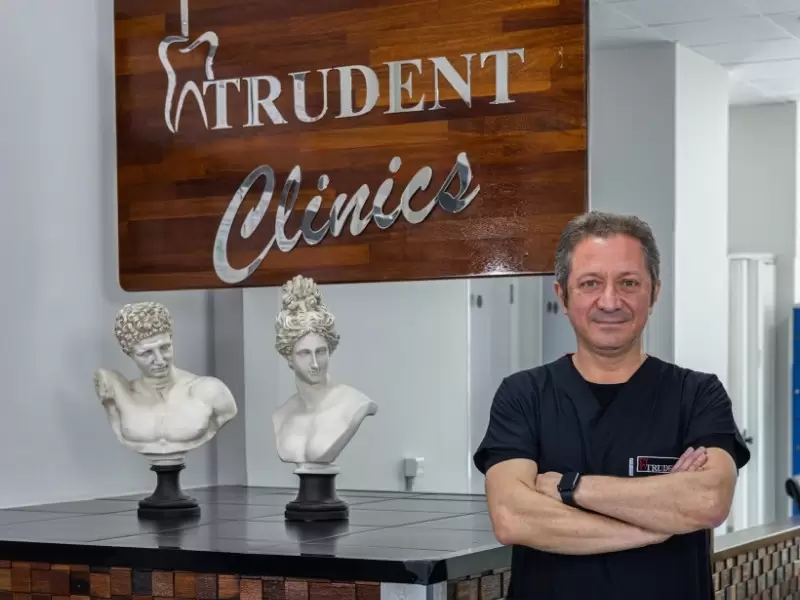
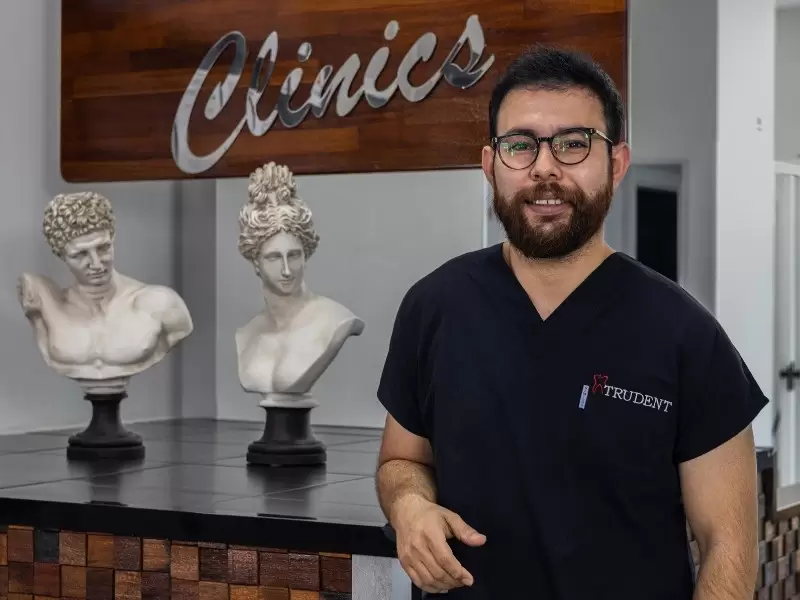
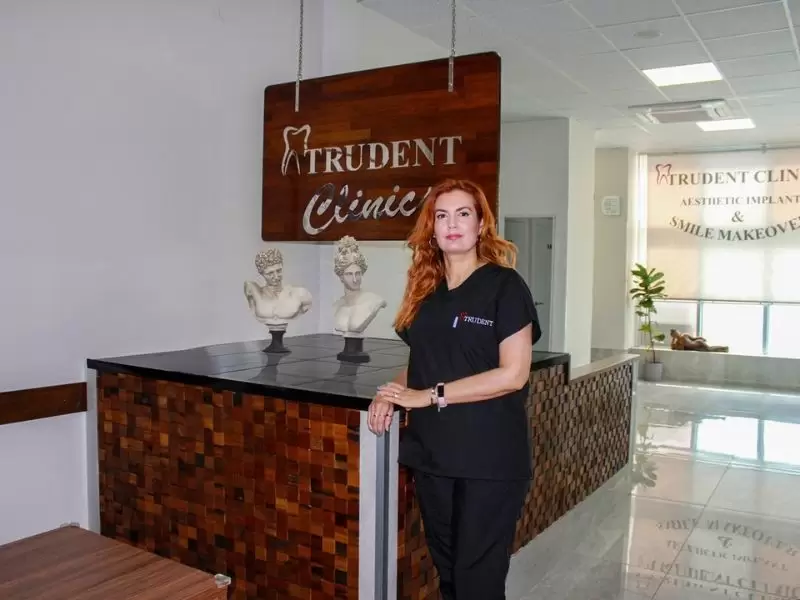
For patients researching care abroad, reviewing a clinic’s treatment philosophy and aftercare process is equally important. TruDent Clinics provides general and aesthetic dental services in Izmir, where a consultation can help patients discuss individualized options for implants, veneers, crowns, aligners, and other procedures.
Preparing For An Independent Consultation
Bring copies of recent X-rays, scans, photographs, treatment estimates, and written diagnoses. Include a list of medications, allergies, medical conditions, previous dental procedures, and any symptoms such as pain, sensitivity, clicking, swelling, or bleeding. Complete records allow the reviewing dentist to assess the situation more accurately and reduce unnecessary repeat testing.
Write down the priorities that matter most to you. You may want to preserve natural teeth, control costs, shorten treatment time, improve appearance, or avoid surgery. Sharing these priorities helps the dentist recommend an approach that fits your circumstances rather than presenting a generic solution.
Use the appointment to ask direct questions about credentials and experience. Find out how often the dentist performs the proposed procedure, which specialist may be involved, and who will handle complications or adjustments. A professional should welcome reasonable questions and explain uncertainty honestly instead of promising a perfect result.
Signs You Need More Information
You may need further clarification if the plan includes many procedures but gives little explanation of the diagnosis. Be cautious when a clinic recommends immediate payment, offers a fixed package without a clinical examination, or cannot explain what is included in the quoted price. Low-cost treatment can become expensive if revisions, travel, or emergency care are excluded.
A second opinion is also sensible when proposed treatment changes significantly between appointments. Sudden recommendations for extractions, root canals, implants, or extensive cosmetic work should be supported by updated findings. If you feel uncomfortable with the pace or communication style, pausing treatment is reasonable.
Use these steps to make the review more productive:
- Collect your records and ask for copies of all relevant imaging.
- Request a written diagnosis and itemized treatment plan from each dentist.
- Compare conservative, restorative, surgical, and cosmetic alternatives.
- Ask about longevity, maintenance, complications, and emergency support.
- Take time to decide before approving irreversible treatment.
In some situations, a second opinion should be obtained quickly. Severe swelling, uncontrolled bleeding, facial trauma, fever, or intense pain may require urgent dental attention rather than a delayed comparison appointment. Emergency care can stabilize the problem first, followed by a planned review of long-term treatment options.
Making A Confident Dental Decision
The best treatment plan is one you understand and can realistically maintain. It should address the source of the dental problem, respect the condition of your natural teeth and gums, and include a clear pathway for monitoring the result. A second opinion can reveal a simpler option, confirm that extensive treatment is justified, or help you choose between two reasonable approaches.
Take time to compare communication, clinical reasoning, facilities, materials, aftercare, and total costs. The cheapest quote is not always the best value, and the most extensive plan is not automatically the most durable. Look for a dentist who explains both benefits and limitations and who records your preferences before treatment starts.
Schedule a consultation with a qualified dental team before committing to complex work. With a careful assessment and a clear treatment plan, you can move forward with greater confidence and protect the health, function, and appearance of your smile.