Why a Toothache Deserves Prompt Attention
A toothache can begin as a mild twinge when you drink something cold or bite into a meal. It may disappear for hours, then return at night or become sharper over time. Because dental pain can come and go, many people postpone an appointment and hope the problem will settle on its own.
That approach can allow a small cavity, cracked tooth, or irritated gum to develop into a more complicated condition. Pain is often the body’s way of signalling inflammation, infection, or damage inside or around a tooth. Even when the discomfort is manageable, the underlying cause may continue progressing.
Prompt dental care does not always mean extensive treatment. Early assessment may allow a dentist to protect the tooth with a simple filling or preventive care. At TruDent Clinics in Izmir, a consultation can help identify the source of discomfort and create a personalized treatment plan based on your dental health, symptoms, and priorities.
Pain is a warning signal
Teeth contain sensitive inner tissue called the pulp, which includes nerves and blood vessels. When decay, trauma, or a deep crack reaches this area, the nerve can become inflamed. The result may be a sharp, throbbing, or lingering toothache that becomes more noticeable when eating, drinking, or lying down.
Gum tissue, the supporting bone, and the jaw can also cause pain that feels as though it comes from a tooth. Sinus pressure may create discomfort in the upper teeth, while teeth grinding can produce soreness, sensitivity, and jaw tension. A professional examination is needed to distinguish between these possible causes.
Temporary relief does not necessarily mean the issue has healed. A damaged nerve may lose sensitivity as it deteriorates, yet bacteria can continue spreading inside the tooth. Pain that suddenly stops after being severe should still be assessed, particularly if swelling, an unpleasant taste, or fever develops.
Common causes of dental pain
Tooth decay is one of the most frequent reasons for dental discomfort. In its early stages, decay may cause sensitivity to sweet, hot, or cold foods. If it advances through the enamel and dentine, it can reach the pulp and lead to persistent pain or infection.
A cracked or fractured tooth may hurt when you bite down or release your bite. Cracks can be difficult to see, especially when they occur below the gum line. A loose filling, worn crown, or damaged restoration can also expose sensitive areas and make chewing uncomfortable.
Gum disease is another possible source of soreness. Inflamed gums may bleed during brushing, feel tender, or pull away from the teeth. In more advanced cases, infection can form around the tooth and cause swelling or a bad taste. Wisdom teeth that are partially erupted may trap food and bacteria, creating inflammation at the back of the mouth.
Sensitivity after professional whitening or exposure to acidic foods is often short-lived, but severe or lasting sensitivity deserves attention. A dentist can check for enamel wear, gum recession, cavities, and other conditions that may require treatment.
What may happen if you delay care
Untreated tooth decay can progress from a small area of enamel damage to an infection within the tooth. At that stage, a filling may no longer be enough. Root canal treatment may be needed to remove infected tissue and preserve the natural tooth, followed by a restoration such as a crown.
An infection can also spread beyond the tooth into surrounding gum tissue and bone. This may cause facial swelling, difficulty opening the mouth, fever, or a general feeling of illness. Serious dental infections require urgent medical attention because swelling can affect swallowing or breathing.
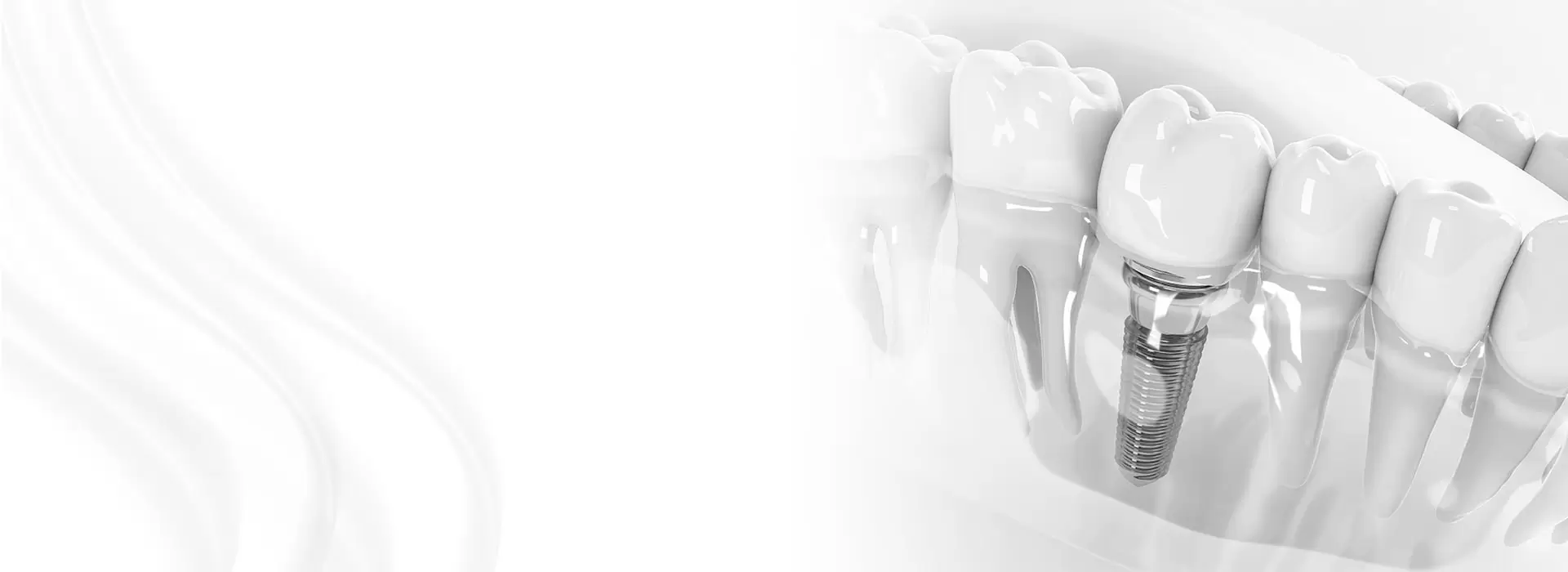
Delaying treatment can also affect your bite and neighbouring teeth. If a painful tooth is avoided during chewing, pressure may shift to other teeth and strain the jaw. A tooth that could have been repaired may eventually become too weak to save, leading to extraction and the need to consider replacement options such as a dental implant or bridge.
| Symptom or pattern |
Possible concern |
Recommended response |
| Brief sensitivity to cold or sweet foods |
Early decay, exposed dentine, or gum recession |
Arrange a dental examination if it repeats |
| Pain that lingers after hot or cold drinks |
Irritated or inflamed pulp |
Book an appointment promptly |
| Pain when biting or releasing the bite |
Crack, loose filling, or inflammation around the root |
Avoid chewing on that side and seek dental care |
| Throbbing pain with a bad taste or swelling |
Possible dental abscess |
Request urgent dental assessment |
| Facial swelling, fever, or difficulty swallowing |
Spreading infection |
Seek emergency medical care immediately |
Signs that need urgent attention
Some symptoms should not wait for a routine check-up. Rapidly increasing swelling in the face, jaw, or neck may indicate an infection that needs immediate treatment. Fever, chills, pus, or a persistent foul taste are also warning signs.
Seek emergency help if swelling makes it difficult to breathe, swallow, or speak, or if it extends toward the eye. Uncontrolled bleeding after an injury, a knocked-out permanent tooth, or severe facial trauma also requires urgent evaluation. If a permanent tooth is knocked out, handle it by the crown rather than the root and seek care as quickly as possible.
A dental emergency does not always involve intense pain. Some injuries cause numbness or little discomfort at first. Prompt assessment can improve the chance of preserving the tooth and preventing further damage. TruDent Clinics provides emergency dental care alongside general and restorative treatments, helping patients receive appropriate attention when symptoms change suddenly.
How a dentist finds the cause
A dental appointment usually begins with questions about when the pain started, what triggers it, and whether it is constant or intermittent. The dentist may examine the tooth, gums, bite, and jaw, then use temperature or pressure tests to identify the sensitive area.
Dental X-rays or other imaging may be recommended when decay, root infection, bone loss, or a hidden crack is suspected. These checks are valuable because the painful tooth is not always the source. Referred pain from a nearby tooth, sinus, or jaw muscle can make self-diagnosis unreliable.
Treatment depends on the diagnosis. Options may include a filling, professional cleaning, gum treatment, a new crown, root canal therapy, extraction, or replacement of a missing tooth. If your broader goal is to improve the appearance and function of your smile, the dentist can discuss how restorative care may fit with veneers, whitening, invisible aligners, or a smile makeover after urgent concerns are controlled.
Safer ways to manage discomfort temporarily
While arranging dental care, rinse gently with warm water and keep the area as clean as possible. Floss carefully to remove trapped food, but do not force floss into swollen tissue. A cold compress placed against the cheek for short intervals may help reduce swelling and discomfort.
Over-the-counter pain medication can help some adults when used according to the package directions and personal medical guidance. Ask a pharmacist or clinician before taking medication if you are pregnant, have a stomach or kidney condition, take blood thinners, or have other health concerns. Never place aspirin directly on the gum, as it can burn soft tissue.
Avoid very hot, cold, sugary, or hard foods if they trigger pain. Do not apply alcohol, essential oils, or unprescribed antibiotics to the tooth. Antibiotics do not repair decay or remove infected tissue, and they should only be taken when prescribed by a qualified professional.
Practical steps before your appointment
- Note when the pain began, what triggers it, and whether it wakes you at night.
- Check for swelling, fever, bleeding, a loose restoration, or an unpleasant taste.
- Continue gentle brushing and flossing unless a dental professional advises otherwise.
- Choose soft foods and chew on the opposite side until the tooth is assessed.
- Seek emergency help immediately if breathing, swallowing, or facial movement becomes difficult.
A toothache is easier to manage when its cause is identified early. Contact TruDent Clinics in Izmir to arrange a consultation, discuss your symptoms, and receive a personalized plan for restoring comfort and protecting your oral health.