Can Dental Implants Be Done in One Day?
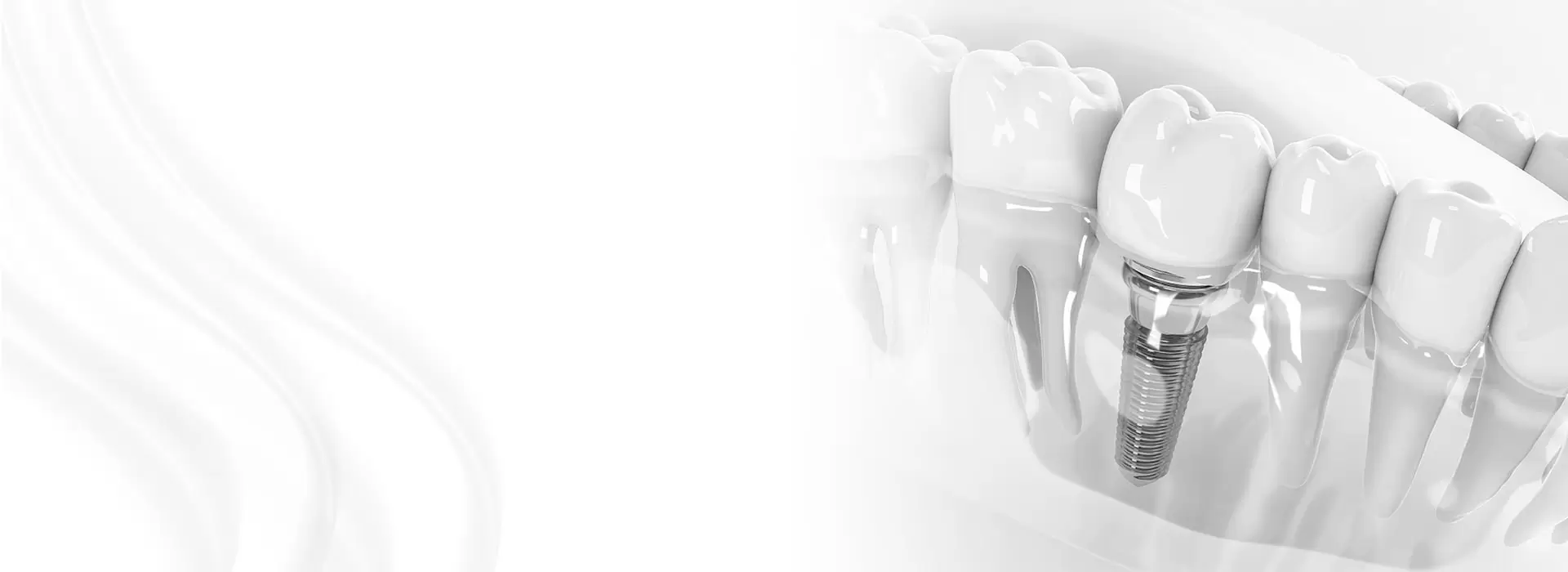
Same-day dental implants are possible for selected patients, but the phrase can mean several different things. In some cases, an implant is placed and a temporary tooth is attached during one appointment. In others, a full-arch restoration is fitted on the same day, while the permanent bridge or crown is provided after healing.
The surgical placement itself may take only a few hours, yet dental implant treatment is a biological process. The implant must bond with the jawbone through osseointegration before it can reliably support a final restoration. This healing stage commonly takes several months, even when a temporary tooth is available immediately.
TruDent Clinics in Izmir assesses each patient individually before recommending immediate loading or a traditional staged approach. A consultation, digital scans, and a review of general health help determine whether same-day implant treatment is safe and predictable.
What Same-Day Implant Treatment Usually Means
A one-day implant procedure generally involves removing a damaged tooth if necessary, placing a titanium implant into the jaw, and attaching a temporary crown or bridge. The temporary restoration is designed to protect the surgical area and provide an attractive appearance while the implant heals. It may also restore limited function, although patients are usually advised to avoid hard or sticky foods.
For people who have lost most or all teeth, an immediate full-arch solution may involve several implants supporting a provisional fixed bridge. This approach is sometimes called “teeth in a day” or immediate-load implant treatment. The patient leaves the clinic with a temporary set of teeth rather than waiting without a visible restoration.
The final crown, bridge, or denture is normally made after the implant has become stable. It is stronger, more precisely fitted, and matched to the long-term bite and appearance. Therefore, same-day treatment usually refers to immediate placement and temporary restoration, not the completion of every stage in 24 hours.
Who May Qualify For Immediate Implants
Good candidates typically have adequate jawbone volume, healthy gums, and an implant site that can provide strong initial stability. The surrounding infection must be controlled, and the bite must be suitable for protecting the new restoration during healing. Patients should also be able to follow dietary and cleaning instructions after surgery.
A single front-tooth implant can sometimes be placed immediately after extraction if the bone walls remain intact and the implant can be anchored securely. In carefully selected cases, a temporary crown may be attached without placing heavy pressure on the implant. Back teeth and areas exposed to strong chewing forces may require a more cautious plan.
Medical conditions and habits also matter. Uncontrolled diabetes, active gum disease, heavy smoking, certain medications, and poor oral hygiene can affect healing. These factors do not automatically rule out implant dentistry, but they may require treatment or lifestyle changes before surgery. A detailed examination is essential rather than relying on an online suitability checklist.
How The Appointment Is Planned
The process begins with an oral examination, photographs, and three-dimensional imaging such as a CBCT scan. These records show the available bone, the position of nerves and sinuses, the condition of nearby teeth, and the relationship between the upper and lower jaws. Digital planning can help the dentist position the implant accurately and prepare a provisional restoration in advance.
If an extraction is needed, the dentist evaluates whether immediate placement is appropriate. Sometimes the tooth is removed and the implant is placed during the same visit. In other situations, infection, bone loss, or soft-tissue damage makes it safer to allow the area to heal first. A bone graft or sinus lift may also be necessary, which usually changes a one-day plan into a staged treatment.
Patients can review the full clinical sequence in this dental implant process guide. At the appointment, local anaesthetic is used, and sedation may be discussed when appropriate. After placement, the temporary crown or bridge is adjusted to support comfort, appearance, and a protected bite.
| Treatment approach |
What may happen in one day |
Typical healing or finishing stage |
| Immediate single implant |
Extraction, implant placement, and temporary crown in selected cases |
Final crown after approximately 3–6 months |
| Delayed single implant |
Tooth removal first, followed by later implant surgery |
Implant placement and final crown occur in separate stages |
| Full-arch immediate loading |
Several implants and a fixed provisional bridge |
Permanent bridge after healing and bite refinement |
| Implant with bone grafting |
Graft or preparatory surgery may be completed first |
Implant placement after the graft has matured |
| Conventional removable option |
Tooth removal and temporary denture may be provided quickly |
Implant treatment can be considered later |
Benefits And Limitations To Consider
The most visible advantage of immediate implant treatment is that patients may avoid a prolonged period with a missing tooth. A temporary crown can support confidence in social and professional settings, while a fixed provisional bridge can restore a more natural sense of function than a removable denture. Fewer surgical visits may also suit people travelling for treatment.
Immediate placement can help preserve the shape of the gum and may reduce the number of separate procedures when the extraction site is suitable. However, speed does not make the treatment risk-free. The implant still needs time to integrate with the bone, and excessive movement during healing can compromise the result.
The temporary restoration may be less durable than the final one and can require careful eating habits. Swelling, bruising, tenderness, and minor bleeding are possible after surgery. Implant failure is uncommon when patients are selected and treated carefully, but it can occur. The dentist must balance convenience with long-term stability rather than promise a same-day result to everyone.
Same-Day Care And Recovery
After surgery, patients usually receive instructions for cleaning, medication, and food choices. Soft, cool foods are often recommended initially, and chewing directly on the implant area should be avoided unless the dental team gives different guidance. Good oral hygiene remains important, although the surgical site must be treated gently.
Swelling often increases during the first couple of days before gradually settling. Patients should contact the clinic if they experience worsening pain, persistent bleeding, fever, pus, or a feeling that the temporary tooth is loose. A loose provisional restoration deserves prompt attention because unwanted movement can place stress on the healing implant.
Follow-up visits allow the dentist to check gum healing, implant stability, and the condition of the temporary crown or bridge. Once osseointegration is confirmed, impressions or digital scans are taken for the definitive restoration. The final tooth is designed to match facial features, neighbouring teeth, speech, and bite comfort.
Choosing The Right Treatment Timeline
The quickest option is not automatically the best option. A staged implant procedure may offer greater predictability when there is active infection, significant bone loss, poor gum health, or a bite that places heavy pressure on the implant. In these circumstances, preliminary treatment can improve the foundation before the implant is inserted.
Patients should ask what “one day” includes, whether the restoration is temporary or permanent, how many appointments are expected, and what happens if additional grafting is required. It is also important to understand the materials used, the implant system selected, aftercare arrangements, and the fee structure for provisional and final restorations.
Practical Points For A Safer Implant Journey
- Complete the recommended examination and 3D scan before committing to an immediate-load plan.
- Tell the dentist about medications, medical conditions, smoking, allergies, and previous gum problems.
- Follow soft-diet and cleaning instructions carefully during the osseointegration period.
- Attend every review appointment so the temporary restoration and implant stability can be monitored.
- Confirm the timeline and cost of the permanent crown, bridge, or full-arch restoration in advance.
A same-day dental implant can provide rapid tooth replacement and a natural-looking temporary smile, but suitability depends on bone quality, gum health, implant stability, and overall medical circumstances. The most reliable plan is the one that protects healing while meeting the patient’s functional and aesthetic goals.
To explore whether immediate implants, staged implant surgery, or another tooth replacement option is appropriate, schedule a personalised consultation with TruDent Clinics in Izmir. A careful assessment can establish the expected timeline, treatment stages, and path toward a stable long-term smile.