Eating comfortably after dental implants
Dental implants are designed to restore more than the appearance of missing teeth. Once treatment is complete, an implant-supported crown, bridge, or denture can help you bite, chew, and speak with confidence. For many patients, the long-term goal is to return to a varied diet without constantly thinking about the replacement tooth.
The eating experience changes in stages, however. The first days after implant surgery require care, while the following weeks are focused on protecting the healing area. After the implant has bonded with the jawbone and the final restoration is fitted, most people can enjoy everyday foods again.
Your exact timeline depends on the number of implants, bone quality, gum health, and whether procedures such as bone grafting were needed. A personalized plan from an experienced dental team helps you understand when to progress from soft foods to normal meals.
What eating feels like after treatment
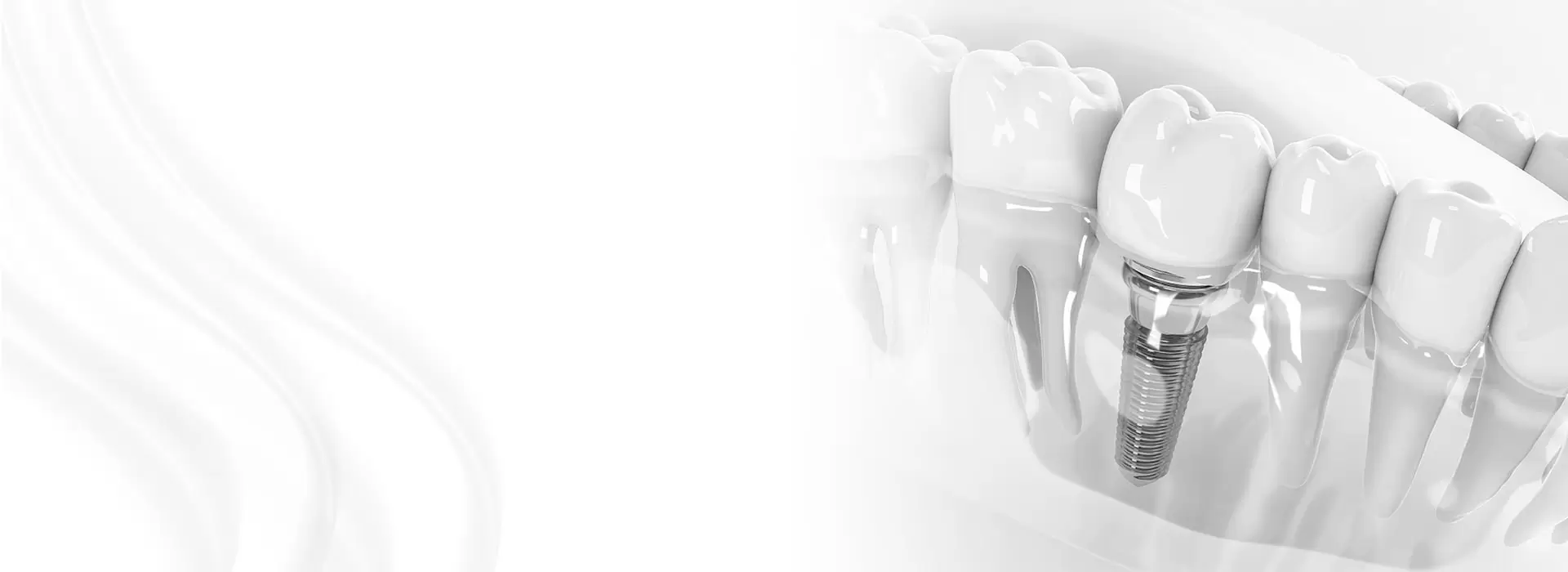
A fully restored dental implant can feel remarkably similar to a natural tooth. The artificial root is anchored in the jaw, while the visible crown is shaped to match the surrounding teeth. This stability allows you to apply controlled biting pressure without the movement commonly associated with loose dentures.
Many patients notice that chewing becomes easier once they have adapted to the new restoration. They may be able to eat meat, vegetables, fruit, bread, and other foods that were difficult or uncomfortable before treatment. Implants also help support the surrounding teeth and maintain a more balanced bite.
There is one important difference: an implant does not contain the same natural nerve structures as a tooth. You may not sense temperature and pressure in exactly the same way, so it is wise to chew carefully and avoid using excessive force on unusually hard objects.
The healing period requires a temporary diet
Immediately after implant placement, the gums and surrounding tissues need time to recover. Your dentist may recommend cool liquids and soft foods during the first day, followed by options such as yogurt, scrambled eggs, mashed vegetables, soft pasta, smoothies, and tender fish. Very hot foods can increase discomfort or bleeding soon after surgery.
As healing progresses, you can usually introduce foods with more texture. It is best to chew away from the surgical site until your dental professional says it is safe. Hard, sticky, sharp, or highly spicy foods may irritate the area, while seeds and small particles can become trapped around the wound.
The implant itself may take several weeks or months to integrate with the jawbone. This process, called osseointegration, is essential for long-term stability. Eating normally too soon, especially when temporary teeth are involved, can place unnecessary pressure on the implant and interfere with healing.
Foods to choose and foods to postpone
A nutrient-rich diet supports tissue repair and helps maintain general oral health. Protein from eggs, fish, poultry, beans, and dairy products can be useful during recovery. Soft fruits, cooked vegetables, soups at a comfortable temperature, and whole grains can provide energy without placing heavy demands on the treated area.
Some foods deserve extra caution even after healing. Ice, hard sweets, popcorn kernels, bones, and very tough meat can damage a crown or overload an implant. Sticky caramel and chewing gum may pull on certain restorations or make cleaning more difficult. These foods are not always permanently forbidden, but moderation and careful chewing are sensible.
| Stage of treatment |
Suitable choices |
Foods to limit or avoid |
| First 24–48 hours |
Smoothies without seeds, yogurt, puréed soup, mashed foods |
Hot meals, alcohol, spicy foods, hard textures |
| Early healing |
Soft pasta, eggs, tender fish, cooked vegetables |
Crunchy snacks, crusty bread, chewing near the implant |
| Progressing recovery |
Soft meat, rice, sandwiches with care, most cooked foods |
Sticky sweets, hard nuts, ice, very chewy foods |
| Fully healed restoration |
A broad, balanced diet |
Biting hard objects or using teeth as tools |
Your clinician’s instructions take priority over general food guidance. The timing may be different if an implant was placed after an extraction, if a temporary crown is being worn, or if several teeth were restored together.
How implants compare with other tooth replacements
Traditional removable dentures can restore chewing function, but they may shift when eating firm or chewy foods. Adhesive products can improve comfort, although they do not create the same fixed support as an implant. Dentures also cover parts of the palate in some cases, which can affect taste and food enjoyment.
A dental bridge uses neighboring teeth for support and can provide a stable chewing surface. It may be a practical solution when the adjacent teeth are strong and suitable for restoration. An implant, by contrast, replaces the missing tooth root and does not require the same type of support from neighboring teeth.
Individual results vary with the design and position of the restoration. A front implant used for biting into food has different demands from a molar implant responsible for grinding. Your dentist will consider your bite, jaw structure, tooth wear, and daily habits when choosing the appropriate implant crown or bridge.
Managing comfort, bite, and jaw tension
Some patients experience mild tenderness, sensitivity, or a sense that the new tooth feels “high” when they first begin chewing. This usually improves as the tissues settle and the mouth adapts. If the bite feels uneven, contact the clinic rather than trying to adjust your eating pattern indefinitely.
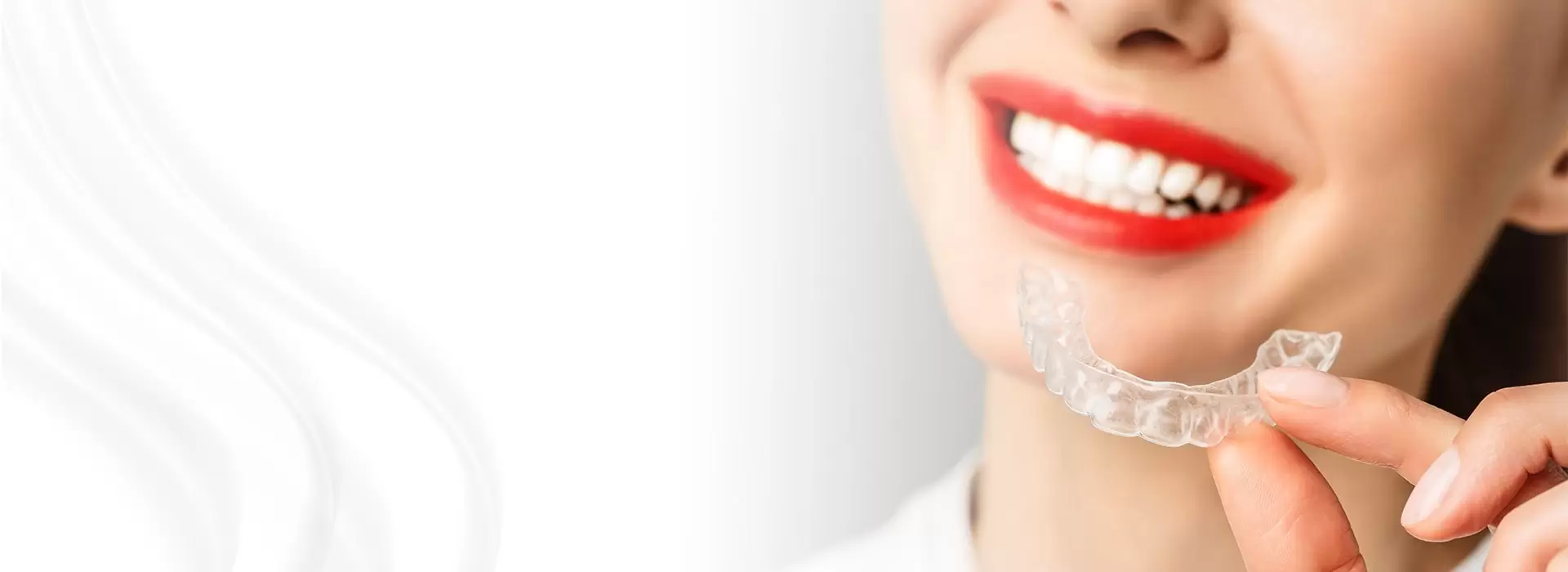
Jaw clenching and teeth grinding can place additional stress on implant restorations. A custom night guard may be recommended if you grind during sleep. It is also useful to mention morning jaw pain, headaches, facial tension, or clicking during your consultation. For patients with jaw-related concerns, TMJ treatment options may be discussed alongside dental care when appropriate.
A stable implant does not mean it is indestructible. Excessive biting forces can contribute to chipped porcelain, worn crowns, or problems with the surrounding gum and bone. Good bite management and regular reviews help protect your investment over time.
Keeping your implants comfortable for years
Daily cleaning remains important after the surgical site has healed. Brush twice a day with a soft-bristled toothbrush and clean carefully around the gumline. Depending on the restoration, your dentist may recommend interdental brushes, floss designed for implants, or a water flosser to remove plaque beneath and around the crown.
Implants cannot develop cavities in the same way as natural teeth, but the gum and bone around them can become inflamed. A condition known as peri-implant disease may cause bleeding, swelling, bad taste, or progressive bone loss. Early professional care can prevent a small issue from becoming a serious one.
Regular dental examinations allow the team to check the implant, restoration, bite, and surrounding tissues. Professional cleaning is especially valuable for patients with a history of gum disease, smoking, diabetes, or difficulty reaching certain areas at home.
Practical ways to return to a normal diet
Begin with a gradual approach rather than testing the implant with the hardest food available. Small portions and slow chewing give you a clearer sense of comfort and help identify any pressure points.
- Follow the clinic’s post-operative food instructions, particularly during the first days.
- Chew on the opposite side while the surgical area is tender.
- Add firmer foods one at a time as healing progresses.
- Cut tough foods into small pieces instead of biting through them forcefully.
- Avoid chewing ice, opening packages, or cracking shells with your teeth.
If pain, swelling, bleeding, mobility, or a persistent change in your bite develops, arrange a dental assessment. A restoration that feels loose is not something to monitor casually, even if the discomfort is minor.
At TruDent Clinics in Izmir, implant treatment can be planned around your oral health, cosmetic goals, bone condition, and preferred timeline. A consultation can clarify the type of restoration you may need, the expected healing stages, and the foods you can safely enjoy at each point. Schedule an appointment to take the next step toward a stable, natural-feeling smile.