Dental Implant Or Bridge For One Missing Tooth
Losing a single tooth can affect much more than your smile. A gap may change how you chew, allow neighbouring teeth to drift, and make you feel self-conscious when speaking or laughing. For many Australians, the practical decision comes down to two established options: a dental implant with a crown, or a fixed dental bridge.
Neither treatment is automatically better for every patient. Your jawbone, gum health, bite, medical history, budget, and willingness to undergo surgery all influence the most suitable choice. A detailed examination, dental X-rays, and a discussion about long-term maintenance are essential before committing to treatment.
Patients travelling from Sydney, Melbourne, Brisbane, Perth, or regional areas may also need to consider appointment timing and follow-up care. Treatment overseas can be cost-effective for some people, but clear communication, written treatment details, and a reliable plan for reviews at home are important. TruDent Clinics in Izmir can assess your smile and develop a personalised plan based on your clinical needs.
How Each Replacement Works
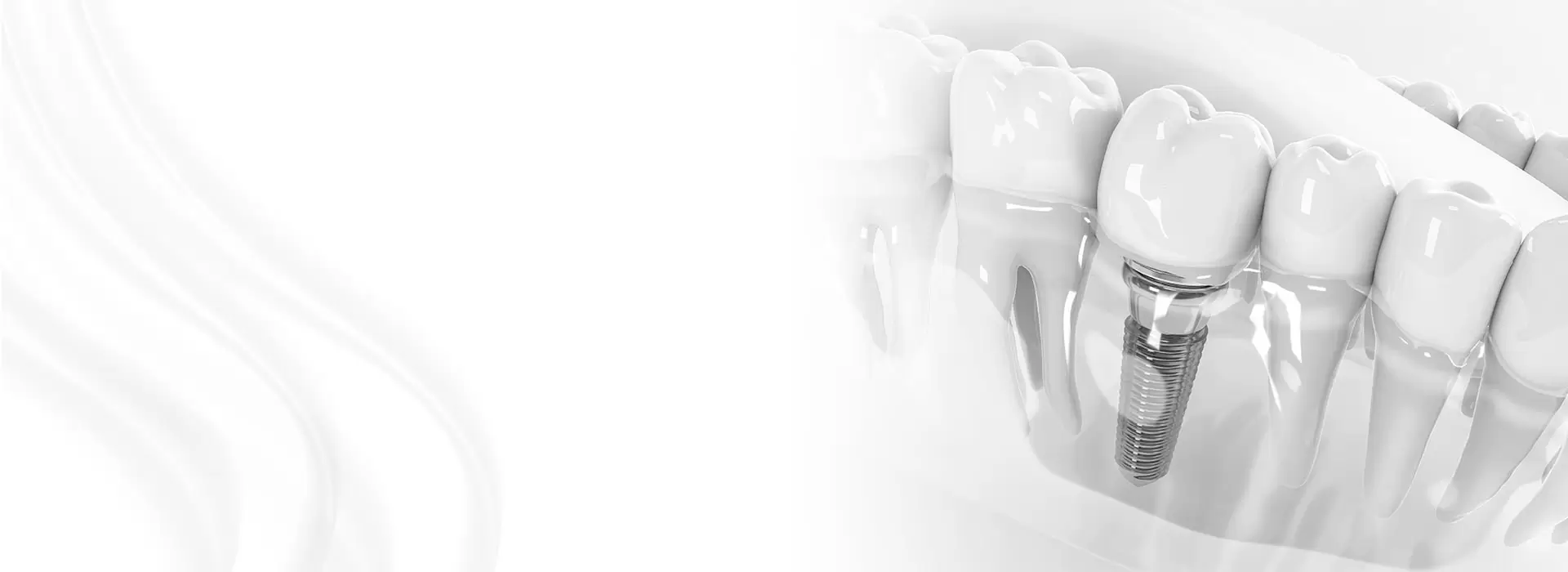
A dental implant replaces the missing tooth root with a titanium or ceramic fixture placed into the jawbone. After a healing period, an abutment connects the implant to a custom-made crown. The final restoration is designed to resemble the colour, shape, and proportions of your natural teeth.
An implant is independent of the adjacent teeth. This means healthy neighbouring teeth usually do not need to be filed down. When the implant integrates successfully with the bone, it can provide stable support for biting and may help reduce the bone loss that commonly follows tooth extraction.
A bridge fills the gap with one or more artificial teeth attached to crowns on the teeth beside it. The supporting teeth, known as abutment teeth, are prepared so the bridge can sit securely over them. It is a fixed option, so you do not remove it at night like a partial denture.
When An Implant May Be Suitable
An implant may be attractive when the teeth beside the gap are healthy and you want to preserve them. It can also provide a strong, natural-looking result without relying on neighbouring teeth for support. Good oral hygiene, adequate bone volume, and healthy gums are important factors in achieving a predictable outcome.
Some patients need a bone graft before implant placement if the jaw has narrowed after tooth loss. Smoking, uncontrolled diabetes, active gum disease, and certain medications can affect healing. Your dentist should review your medical history and explain whether these issues require treatment or additional precautions before surgery.
Implant treatment usually takes longer than a bridge because the implant may need several months to bond with the jawbone before the permanent crown is fitted. Patients visiting from Australia should allow enough time for examinations, surgery, healing checks, and the final restoration. If an immediate temporary tooth is possible, it should be discussed rather than assumed.
When A Bridge May Make More Sense
A bridge can be a practical choice when the neighbouring teeth already have large fillings, crowns, or require restoration. Covering those teeth may be reasonable if they are strong enough to support the bridge. It can also suit people who want a quicker process or prefer to avoid implant surgery.
The treatment period is often shorter because a bridge does not require bone integration. However, the supporting teeth must be reshaped, and cleaning beneath the artificial tooth requires careful technique. Special floss threaders, interdental brushes, or a water flosser may be recommended to remove plaque from areas a normal toothbrush cannot reach.
The appearance and durability of a bridge depend on the materials, bite forces, laboratory work, and daily care. A well-maintained bridge can last for many years, but the abutment teeth may develop decay or gum problems if cleaning is inadequate. Regular examinations remain important even when the restoration feels comfortable.
Comparing The Practical Differences
The right decision involves more than the initial treatment price. Australian dental fees vary between private practices, metropolitan clinics, and regional providers, while health fund rebates depend on your level of cover and annual limits. Medicare generally does not cover routine adult dental implants or bridges, so ask for an itemised quote before treatment.
People who compare treatment in Turkey with costs in Australia should include flights, accommodation, transfers, diagnostic imaging, possible follow-up visits, and the cost of managing complications. The Australian Health Practitioner Regulation Agency, or Ahpra, regulates registered Australian dental practitioners, while overseas treatment is governed by the rules of the country where care is provided. Ask for qualifications, material details, warranty terms, and accessible records.
| Consideration |
Dental Implant And Crown |
Fixed Dental Bridge |
| Effect on adjacent teeth |
Usually leaves healthy neighbouring teeth untouched |
Requires preparation of supporting teeth |
| Treatment time |
Often several months, especially with grafting |
Commonly completed sooner |
| Surgery |
Requires implant placement |
No implant surgery |
| Bone preservation |
Helps maintain stimulation in the treated area |
Does not replace the tooth root |
| Cleaning |
Brush and clean around the implant and crown |
Requires cleaning under the artificial tooth |
| Main cost factors |
Surgery, implant, abutment, crown, grafting |
Supporting crowns, pontic, laboratory work |
| Long-term considerations |
Implant health depends on gums, bone, and maintenance |
Abutment teeth need protection and monitoring |
An implant is not automatically the most modern or durable answer, and a bridge is not simply a compromise. A dentist should compare both options against the condition of your mouth, your expected lifespan for the restoration, and how easily you can attend follow-up appointments.
Questions To Discuss Before Treatment
Ask how much healthy bone is available, whether gum disease is present, and whether the gap has caused any tooth movement. It is also useful to discuss the colour and shape of the replacement tooth, especially if it will be visible when you smile. A temporary option may be available while a laboratory makes the final restoration.
If the missing tooth resulted from trauma, the surrounding tissues may need special attention. A chipped or damaged tooth may sometimes be treated conservatively rather than replaced; an explanation of minimally invasive tooth repair can help you understand why preserving natural structure is often considered first when it remains viable.
Before agreeing to treatment, request a written plan covering the proposed materials, stages, estimated duration, aftercare, and what happens if healing is delayed. Patients considering treatment abroad should also ask whether the same dentist or clinic will handle adjustments and complications after returning to Australia.
Protecting Your Result Over Time
Daily care has a major effect on the life of either restoration. Brush twice a day with fluoride toothpaste, clean between the teeth, and attend professional check-ups at the interval recommended for your gums and bite. Australians who drink coffee regularly, consume acidic drinks, or snack frequently may need extra attention to staining, plaque, and enamel wear.
Do not use a bridge or implant crown to open packaging, crack hard objects, or bite pens. A night guard may help if you grind your teeth, although it should be assessed and fitted by a dental professional. Contact a dentist if you notice movement, bleeding, pain, a bad taste, or a change in the way your teeth meet.
A local dentist can often provide ongoing maintenance after overseas care, but they may need implant brand information, radiographs, and laboratory records. Keep copies of your treatment documents. If you are researching additional clinical perspectives, dental care information can be reviewed alongside advice from a dentist who examines you in person.
Points To Weigh Before Choosing
-
Health and condition of the neighbouring teeth
-
Available jawbone and gum stability
-
Treatment time and travel requirements
-
Total cost, including maintenance and follow-up
-
Comfort with surgery and a longer healing period
-
Ability to clean under a bridge or around an implant
-
Private health insurance limits and exclusions
-
Plans for future dental care in Australia
Arrange A Personal Assessment
The safest choice is the one that fits your mouth and your circumstances, rather than the option that sounds best in general. A clinical examination can reveal whether the adjacent teeth are suitable bridge supports, whether the bone can hold an implant, and whether another issue needs attention first.
TruDent Clinics can discuss implant and bridge treatment, review your aesthetic goals, and explain the stages involved in a personalised plan. Book a consultation to receive a clear assessment, a written estimate, and practical guidance for organising treatment and follow-up from Australia.