How to Clean Your Invisible Aligners Properly
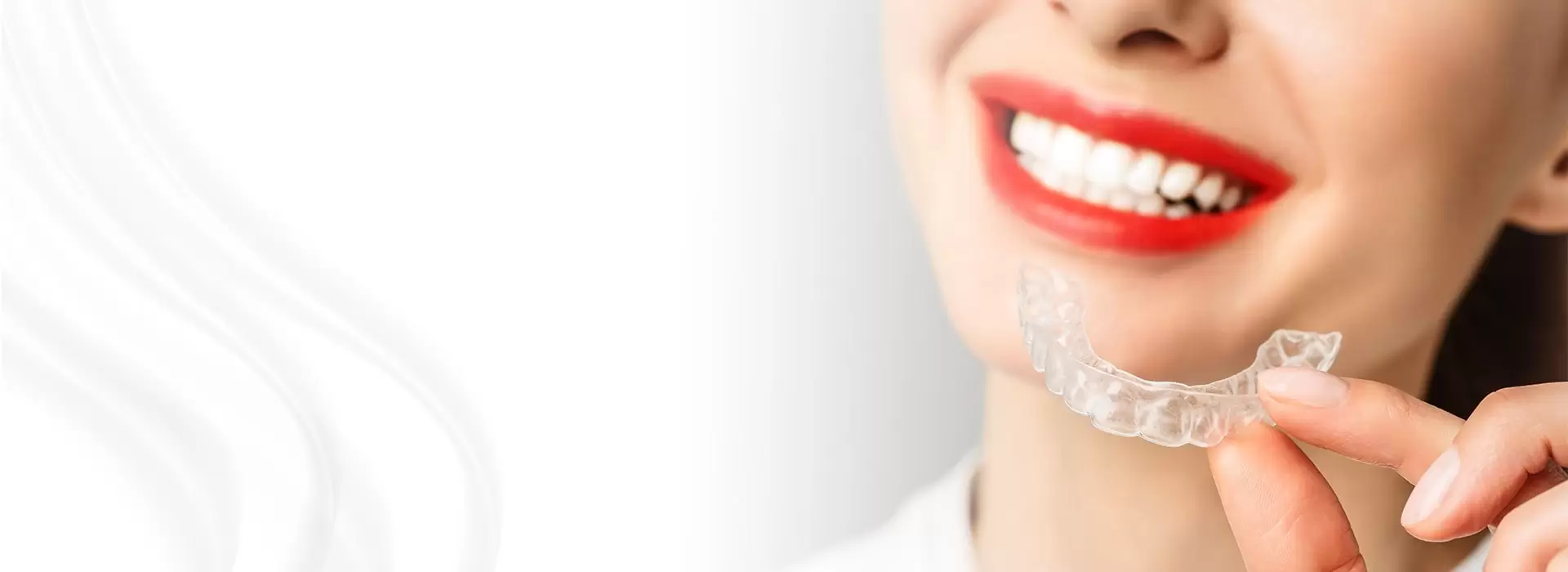
Invisible aligners are designed to fit discreetly over your teeth while gradually guiding them into better positions. Because they are removable, you can brush and floss normally, but the trays themselves also need consistent care. A clean aligner is more comfortable, clearer, and less likely to develop unpleasant odors.
Bacteria, saliva proteins, and food residue can collect on the plastic when trays are not cleaned correctly. Over time, this buildup may leave the aligners cloudy and contribute to plaque accumulation on your teeth. A simple daily cleaning routine helps protect both your oral health and your orthodontic investment.
The best approach is gentle, regular, and compatible with the material of your trays. Strong chemicals, hot water, and abrasive products can damage clear aligners even when they appear to remove stains quickly. The right habits keep them hygienic without affecting their fit.
Why clear aligner hygiene matters
Aligners sit closely against the teeth for much of the day. This creates a warm, moist environment where bacteria can multiply, particularly if the trays are worn after eating or drinking sweetened beverages. Any plaque trapped beneath the plastic remains in prolonged contact with the enamel.
Poorly maintained trays may begin to smell or taste unpleasant. They can also become visibly dull, yellow, or stained. Although discoloration does not always mean the aligner is unsafe, it often indicates that cleaning has been inconsistent or that the wearer has consumed beverages while wearing the trays.
Clean your teeth before putting the aligners back in whenever possible. Brushing removes the food particles and plaque that would otherwise be sealed beneath the appliance. Flossing is equally important because debris between the teeth can become trapped under the tray.
A simple daily cleaning routine
Rinse your aligners with cool or lukewarm water whenever you remove them. This quick step washes away loose saliva and helps prevent residue from drying onto the surface. If the trays have been out during a meal, rinse them before placing them in their protective case.
Brush the aligners gently at least once a day with a soft-bristled toothbrush. Use a small amount of mild, clear liquid soap rather than regular toothpaste, which may contain polishing particles that scratch the plastic. Scrub the inside and outside surfaces carefully, paying attention to the edges and the areas around attachments.
Rinse thoroughly until no soap remains. Then allow the aligners to air-dry briefly before storing them in a clean, ventilated case. Avoid wrapping wet trays in a tissue or napkin, as they may be accidentally thrown away and can remain damp in a way that encourages bacterial growth.
When you remove your aligners, brush and floss your teeth before reinserting them. If brushing is not immediately possible, rinse your mouth and the trays with water. This temporary measure is useful during travel, but it should not replace normal brushing.
Safe products and cleaning methods
A dedicated aligner-cleaning solution or tablet can provide a deeper clean several times a week. Follow the product instructions carefully, including the recommended soaking time. Excessively long soaks may affect some materials, while inadequate rinsing can leave a taste or residue.
A soft toothbrush and gentle liquid soap are usually sufficient for everyday care. Some patients use specialized foaming cleansers made for removable orthodontic appliances. These products can be convenient, but they should be used according to the manufacturer’s directions and rinsed away completely.
Never use boiling water or very hot tap water. Heat can warp the plastic, changing the fit and reducing the effectiveness of the treatment. Even a small alteration may make an aligner feel unusually tight, loose, or uncomfortable.
Hydrogen peroxide, bleach, mouthwash containing alcohol, and household cleaning sprays are also unsuitable unless a dental professional has specifically approved them. These substances may irritate the mouth, discolor the trays, or weaken the material.
Habits that can stain or damage trays
Remove your aligners before eating. Chewing with them in place can crack the plastic, deform the edges, or create pressure against the teeth. Food particles may also become trapped in difficult-to-clean areas.
Plain cool water is generally the safest drink while wearing aligners. Coffee, tea, red wine, fruit juice, and soft drinks can stain the trays or allow sugar and acids to remain against the enamel. Even clear, flavored beverages may contain acids or sweeteners that are better kept away from the aligners.
Do not place the trays on a restaurant table, bathroom counter, or loose in a bag. A hard protective case reduces the risk of contamination, accidental damage, and loss. Clean the case regularly with mild soap and water, then let it dry fully before storing the aligners inside.
Patients comparing removable aligners with fixed orthodontic appliances may find this aligner treatment comparison useful when considering daily maintenance, appearance, and lifestyle requirements. Whichever option is selected, professional guidance helps ensure that care habits support the treatment plan.
Cleaning methods at a glance
Different situations call for different levels of care. A quick rinse is useful after removal, while brushing and periodic soaking provide more complete cleaning. The following guide helps distinguish safe everyday actions from methods that may create problems.
| Cleaning approach |
How often to use it |
Main benefit |
Important precaution |
| Rinse with cool water |
After every removal |
Removes loose saliva and debris |
Do not use hot water |
| Brush with a soft toothbrush and mild soap |
At least once daily |
Cleans surface buildup and odor-causing residue |
Avoid abrasive toothpaste |
| Soak in an aligner-cleaning solution |
Several times weekly or as directed |
Provides a deeper clean |
Follow the stated soaking time |
| Rinse after meals |
Whenever brushing is delayed |
Reduces food residue under the trays |
Brush as soon as practical |
| Clean the storage case |
A few times weekly |
Limits bacterial contamination |
Dry the case completely |
Signs your routine needs attention
Persistent cloudiness, a sour smell, or a slimy coating may mean the trays need more thorough cleaning. Check whether you are brushing the inner surfaces, rinsing after meals, and allowing the aligners to dry before storage. The case itself may be contributing to the problem if it stays damp or is rarely washed.
Visible cracks, sharp edges, unusual looseness, or a sudden change in fit should not be ignored. Do not try to reshape the aligners with heat or household tools. Contact your dental provider for advice, especially if a tray has been damaged or misplaced.
A replacement may be necessary if an aligner is lost or cannot be worn safely. Continuing with a damaged tray can irritate the gums and may interfere with the planned tooth movement. Keep previous trays as instructed by your dentist, since they may sometimes serve as a temporary option until professional advice is available.
Cleaning habits cannot replace scheduled check-ups. Your dentist or orthodontic team can monitor tooth movement, examine the gums, and confirm that your trays remain suitable. At TruDent Clinics, treatment planning can be tailored to your dental condition, cosmetic goals, and daily routine.
Practical habits for consistent care
A manageable routine is easier to maintain than occasional intensive cleaning. Keep a soft toothbrush, travel-sized mild soap, and the protective case together so that cleaning supplies are available at work, while traveling, or after meals away from home.
Use the following habits to protect your trays and your teeth:
- Rinse the aligners every time you remove them.
- Brush the trays gently once or twice daily with a soft toothbrush.
- Remove aligners before eating or drinking anything except plain water.
- Store them in a clean, ventilated case rather than a tissue or loose bag.
- Arrange professional advice if they become damaged, painful, or difficult to seat.
Keeping your treatment on track
Good aligner hygiene supports clearer trays, fresher breath, and healthier teeth throughout orthodontic treatment. It also makes it easier to wear the appliance for the duration recommended by your dental team. Consistency matters more than complicated products or aggressive cleaning.
If you are considering invisible aligners or need help with an existing treatment, schedule a consultation with TruDent Clinics in Izmir. A dental professional can assess your smile, explain suitable options, and create a personalized plan that includes practical guidance for wearing and cleaning your aligners.