Combining Botox for jaw clenching with dental treatments
Many Australians live with the daily tension of a sore jaw, morning headaches and teeth that slowly wear down without any obvious cause. The culprit is often bruxism, a condition that affects up to one in three adults and frequently pairs with other dental concerns such as cracked enamel, broken restorations or shifting bite alignment. Treating only the surface damage without addressing the underlying muscle activity rarely delivers lasting relief.
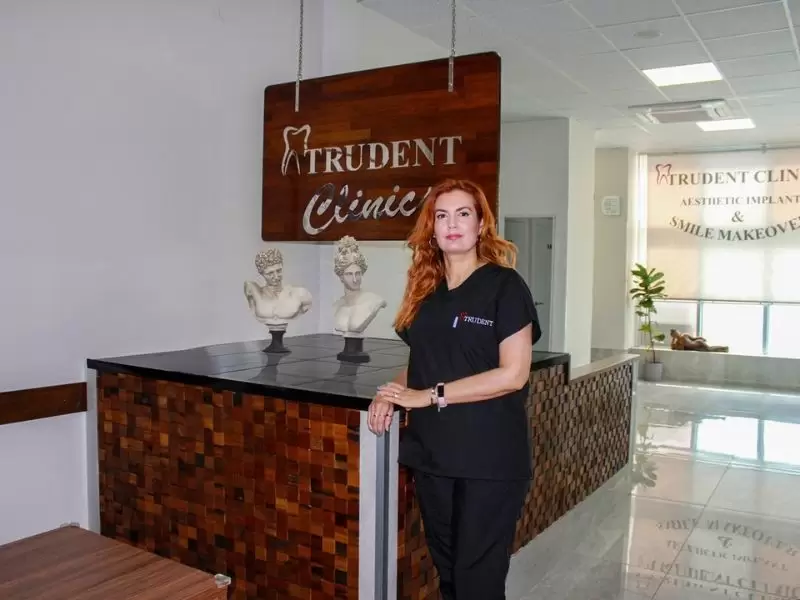
Botulinum toxin injections into the masseter muscles have become a popular way to soften clenching and slim a square lower face at the same time. When this neuromuscular approach is combined with restorative or cosmetic dental work, the results tend to be more stable and longer lasting. Patients flying out from Sydney, Melbourne or Perth to clinics such as TruDent in Izmir often find they can address several issues in a single trip.
The trick lies in understanding which treatments complement each other, how to schedule them safely, and what Australian patients should know about local regulations and insurance before committing. The rest of this guide walks through each consideration in detail.
What masseter Botox actually does for clenchers
Botulinum toxin, commonly known by brand names such as Botox, Dysport or Xeomin, is a purified protein that temporarily blocks nerve signals to specific muscles. When injected into the masseters, the powerful chewing muscles at the angle of the jaw, it reduces their ability to contract forcefully. The muscle gradually relaxes over one to two weeks, taking pressure off the teeth, the temporomandibular joint and the surrounding soft tissues.
For chronic clenchers and grinders, this break can be transformative. Many people stop waking up with tension headaches, notice less tooth sensitivity, and find that existing dental work stops cracking prematurely. The cosmetic side benefit is a softer, more tapered lower face when the bulk of the masseter reduces over several months. In Australia, Botox for therapeutic use such as bruxism falls under the Therapeutic Goods Administration's Schedule 4 framework, which means it must be prescribed and administered by an authorised practitioner.
The effect is not permanent, usually lasting three to five months, so repeat sessions are part of the plan. Because the muscle is weakened, it cannot keep up the same intensity of grinding, and any dental treatment placed during this window is protected from the original destructive forces.
Why so many Australians clench in the first place
Australian life carries a surprising number of jaw-clenching triggers. The country ranks among the world's top coffee consumers per capita, and excess caffeine is well documented as a contributor to bruxism. Add long commutes in cities like Brisbane or Adelaide, the physical intensity of contact sports such as rugby and AFL, and a culture of high-pressure work, and you have a population where many people unknowingly tighten their jaws for hours each day.
Stress plays a particularly large role. Studies of Australian adults consistently show rising rates of anxiety-related sleep disturbance since the early 2020s, and sleep bruxism tends to mirror that trend. People who wear mouthguards from a chemist for night-time grinding often find the guards wear through quickly because the underlying muscle force is so high.
Dentists also see clenching linked to malocclusion, missing back teeth, or poorly balanced old restorations. Whatever the driver, the muscle hyperactivity needs to be calmed before any restorative work has a realistic chance of holding up.
Dental treatments that pair well with masseter injections
Several procedures become far more predictable once the masseters are relaxed. Occlusal splints and night guards last longer when the muscles are not overpowering them. Crowns, veneers and onlays stop fracturing at the edges when night-time force drops by half or more. Even orthodontic retention becomes more stable, because the bite is no longer being hammered into a new position every night.
Cosmetic work such as porcelain veneers or a full smile makeover also benefits. Veneers placed on a patient who continues to clench heavily are at risk of chipping within months, and most Australian dentists will not place them without addressing the underlying parafunction first. Composite bonding may be used as a temporary test layer to confirm the new bite can withstand the residual forces after Botox.
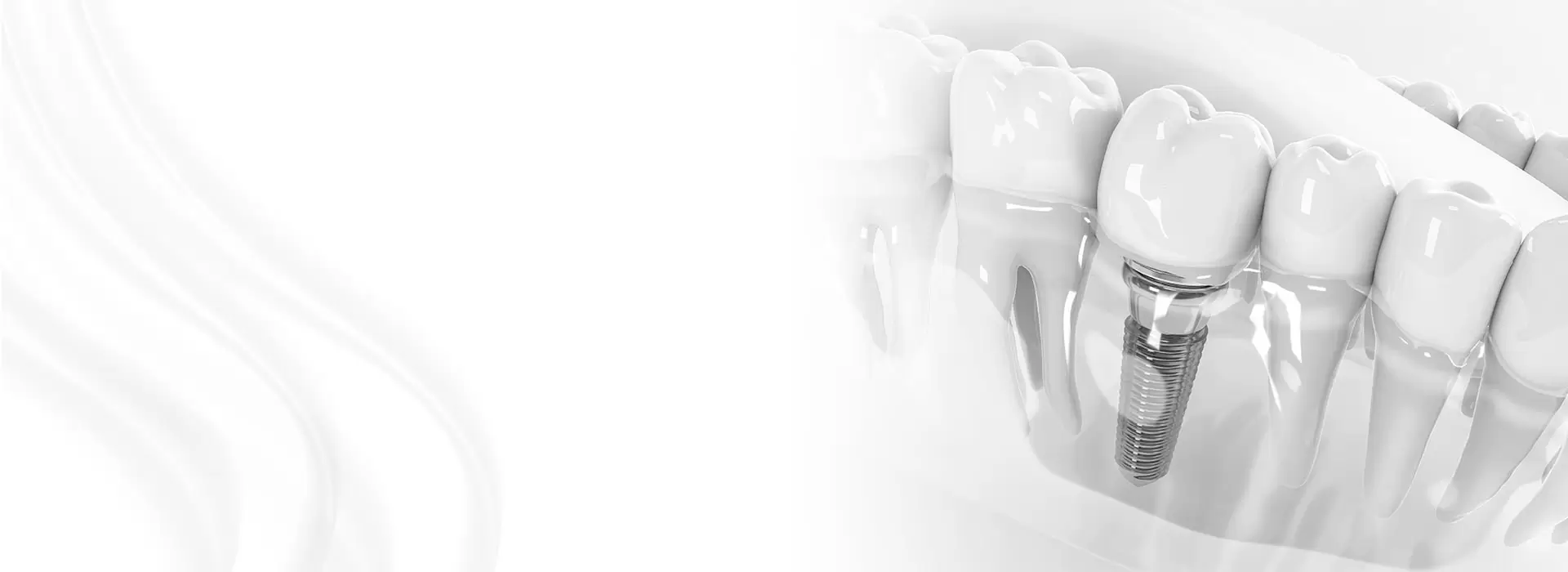
Implant cases are another strong indication for combined treatment. A dental implant that is overloaded by a heavy masseter can fail to integrate with the bone, especially in the upper jaw. Reducing the muscle force before placement improves osseointegration and protects the prosthetic crown long term. Patients considering full arch work in particular are often advised to settle the bruxism first.
Where same-day crowns fit into a combined plan
Same-day crowns have changed the way combined dental and Botox cases are managed. Traditional crown workflows require two visits spaced weeks apart, which is awkward for overseas patients and disruptive for anyone juggling work commitments in Sydney or Melbourne. CAD/CAM technology now allows a clinic to scan, design, mill and fit a ceramic crown in a single appointment of roughly two hours.
When a patient is already booked in for masseter Botox, it makes logistical sense to complete any necessary crown work in the same visit. The freshly placed restoration can be checked against the new, calmer bite pattern, and small adjustments are easier to make while the muscle is in a relaxed state. For a closer look at how digital impressions and chairside milling work in practice, the advantages of same-day crowns using cad cam are explained well on the TruDent website.
This approach also shortens the overall treatment timeline. Instead of returning to the clinic for multiple fittings, patients can have worn fillings replaced, cracks restored and the bite balanced in one sitting, then return a week later for the Botox review once any initial sensitivity has settled.
Sequencing appointments for the best outcome
The order in which treatments are performed matters more than many patients realise. Most clinicians prefer to carry out restorative and cosmetic work first, then assess the bite once everything has stabilised. Botox can be administered a few days later, or sometimes on the same day if no anaesthetic has been used in the masseter region.
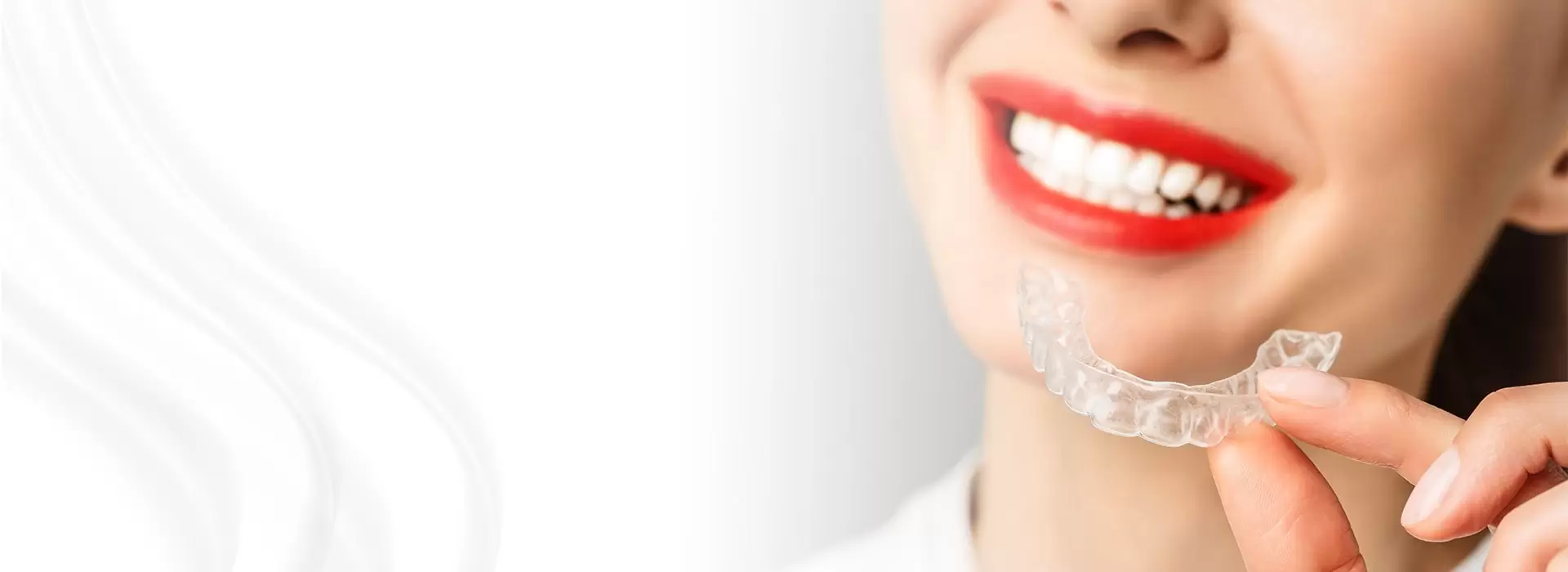
If orthodontic aligners such as Invisalign are part of the plan, they are usually started well before any muscle-relaxing injections, since tooth movement needs the natural force of the bite to guide it. Aligners are also a useful diagnostic tool, because they reveal exactly where the heavy contacts are during clenching.
Emergency work should always be prioritised. A broken tooth or acute infection has to be dealt with immediately, and Botox can wait. Once the urgent issue is resolved, the longer-term plan can be built around it. Patients should bring any current night guards, previous dental records and a list of medications to the consultation so the clinician can map out a safe sequence.
Costs, private health and Australian regulations
Australians with extras cover through private health insurers such as Bupa, Medibank or HCF can often claim a portion of dental crown and veneer work, though annual limits and waiting periods vary widely. Botox for bruxism is generally not covered by private health funds because it is considered a cosmetic or medical injectables procedure rather than a dental treatment, even when administered by a dentist.
In Australia, only AHPRA-registered dental practitioners who have completed additional training in facial injectables can legally administer botulinum toxin. The product itself must be sourced through TGA-approved channels, and clinics are required to keep detailed records of batch numbers and dosing. This is worth confirming before booking, especially for patients considering treatment overseas where regulations differ.
Travelling to Turkey for combined care has become common because the total cost, including flights and accommodation, is often lower than the out-of-pocket price of similar work in Australia. TruDent in Izmir is one of several clinics catering to this market, with treatment plans typically delivered in English and packaged around the limited time Australian patients can spend away from work.
Aftercare and keeping the results stable
Once the injections and dental work are complete, aftercare plays a big role in how long the results hold. Patients are usually advised to avoid pressing on the jaw, skipping strenuous gym work for 24 hours, and not lying flat for a few hours after the injections. Soft foods for the first day help the masseters settle without strain.
Long-term maintenance means a top-up Botox session every four to six months for heavy clenchers, alongside six-monthly dental check-ups to monitor the restorations. Wearing a custom occlusal splint at night remains the gold standard protection for any ceramic work, even when the muscles are calmer. Patients who also address lifestyle factors — cutting back on afternoon espresso, managing screen-related tension, and being mindful of jaw position during the day — often find they can extend the time between Botox appointments.
For anyone planning to combine Botox for jaw clenching with cosmetic or restorative dental treatment, the smartest first step is a detailed consultation that maps both the bite and the muscle activity. TruDent Clinics offers personalised assessment and combined treatment planning for patients travelling from Australia, with options to coordinate every stage of care in a single visit to Izmir. Book a consultation online to start the conversation and find out which combination of treatments suits your smile and your schedule.