Managing tooth sensitivity after cosmetic dental treatments
A sharp twinge when sipping an iced coffee on a Sydney morning, or a sudden ache biting into a meat pie fresh from the bakery in Melbourne — these moments are familiar to many Australians who have recently undergone cosmetic dental work. Tooth sensitivity after procedures such as veneers, professional whitening, crowns, or composite bonding is one of the most common side effects reported by patients worldwide. While the discomfort can feel alarming, it usually reflects a healthy healing response rather than a sign that something has gone wrong. Understanding why it happens and what to do about it makes the recovery period far more manageable.
Sensitivity develops because most cosmetic treatments involve some level of interaction with the tooth's outer protective layer or the surrounding gum tissue. Whitening gels penetrate the enamel to reach the dentin beneath, bonding procedures may require light etching, and the preparation of teeth for veneers or crowns removes a small amount of natural structure. Each of these steps can briefly expose microscopic tubules that lead directly to the nerve, transmitting hot, cold, sweet, or acidic sensations more intensely than usual. In most cases, the teeth recover as saliva remineralises the surface and the gums settle into their new position.
Australians considering or returning from treatment abroad often have additional concerns. With long-haul flights from Perth or Brisbane to Istanbul taking well over a day, patients need practical strategies to manage discomfort before boarding, in transit, and during the first few days back home. The advice that follows applies whether the work was completed locally or overseas, and it can be tailored to the climate, diet, and lifestyle common across the country.
What causes sensitivity after cosmetic dental work
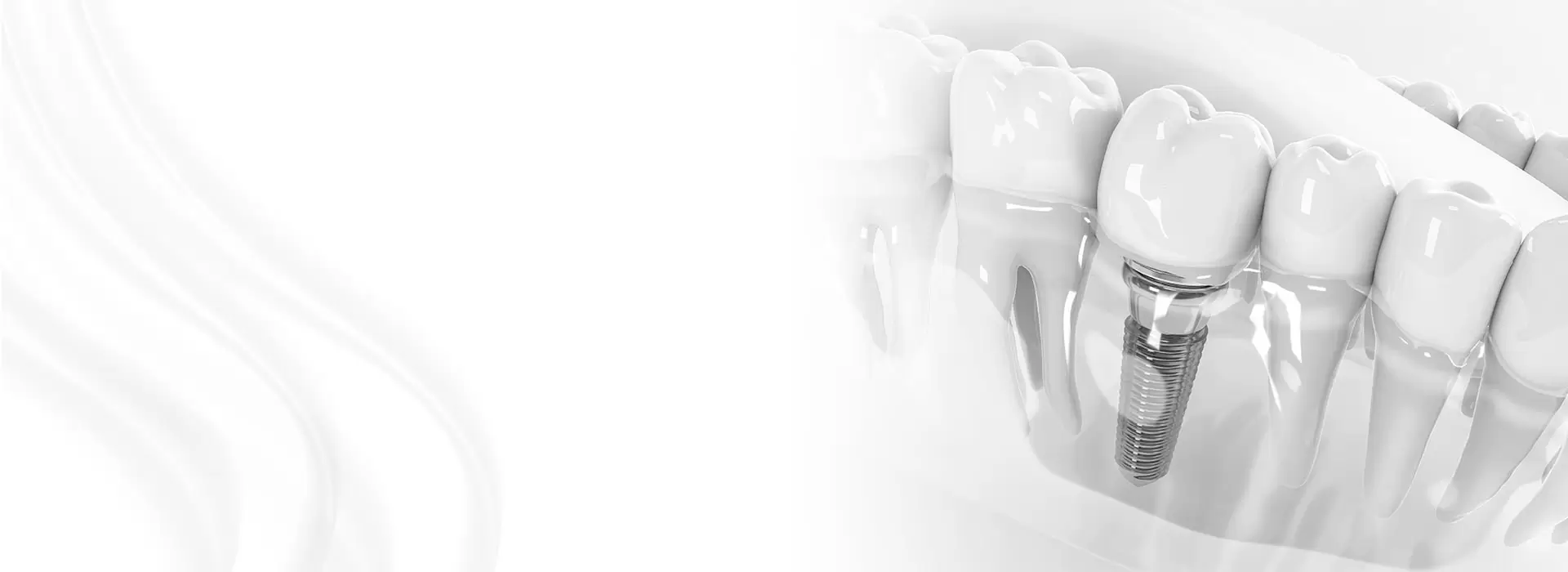
Tooth sensitivity is rarely a single-issue problem. After veneers, the temporary removal of enamel — even a fraction of a millimetre — leaves the underlying dentin more reactive. Patients often notice the strongest reactions during the first forty-eight hours, when the freshly bonded surfaces are still adjusting to pressure and temperature changes. With whitening, the peroxide-based agents open the pores of the enamel to lift deep stains, and these pores take time to fully close again. Many people in Adelaide and other parts of South Australia report heightened sensitivity for up to two weeks after a single in-chair session.
Crowns and onlays may also require the dentist to adjust the bite, which can place unfamiliar stress on certain teeth for several days. Composite bonding uses a mild acid to roughen the enamel before the resin is applied, and this etching phase can leave teeth feeling "bruised" for a short time. In every case, the underlying mechanism is the same: the protective barrier has been disturbed, and the nerve is registering more information than it usually would.
Some patients notice sensitivity only when consuming very hot drinks — a common scenario given Australia's robust coffee culture — while others feel it most when breathing in cold air during an early-morning jog along Bondi Beach. Identifying the specific triggers is the first step toward effective relief.
Immediate relief strategies at home
The first line of defence against post-treatment sensitivity is a desensitising toothpaste containing potassium nitrate or stannous fluoride. These ingredients work by blocking the transmission of sensations from the tooth surface to the nerve. Switching to a soft-bristled brush also helps, as aggressive brushing can worsen gum recession and expose more sensitive root surfaces. Electric toothbrushes with pressure sensors, widely available from Australian retailers such as Chemist Warehouse and Priceline, are a good investment for those prone to brushing too hard.
Rinsing with a fluoride mouthwash at night strengthens weakened enamel, and avoiding extreme temperatures for the first week is wise. That might mean letting a flat white cool slightly before drinking, or sipping iced water through a straw during a hot Brisbane summer. Over-the-counter pain relief such as ibuprofen can reduce inflammation around the gum line, but it should not be used as a long-term solution.
If the sensitivity seems tied to a specific tooth rather than a general area, a small dab of desensitising gel applied directly to the spot can offer targeted relief. Many Australian pharmacists can recommend a suitable product without a prescription, and pharmacists are well placed to flag any symptoms that warrant a dental visit.
Building long-term comfort and strength
While short-term tactics address the worst of the discomfort, lasting relief comes from rebuilding the tooth's natural defences. Regular fluoride treatments at the dentist's office — typically every six months — add a protective layer over exposed dentin and reduce the long-term risk of decay. Patients who have had extensive cosmetic work should also consider custom-made night guards, particularly if they grind their teeth, as grinding accelerates wear on both natural enamel and porcelain restorations.
Diet plays a quieter but equally important role. Australians who enjoy citrus, sports drinks during cricket matches, or frequent sparkling water may be unknowingly bathing their teeth in acid, which slows the remineralisation process. Swapping some of these drinks for still water and rinsing the mouth after acidic meals gives the enamel a better chance to recover. Cheese and other dairy products, staples in many Australian households, actually help neutralise acids and provide calcium for stronger teeth.
A consistent oral hygiene routine that includes flossing once a day and brushing twice with a remineralising toothpaste will usually keep sensitivity in check. For patients who have invested significantly in cosmetic work, these habits protect both the original teeth and the new restorations.
Comparing sensitivity across common cosmetic treatments
Not all procedures cause the same level of discomfort, and the table below offers a general comparison based on typical patient experiences.
| Treatment |
Typical onset |
Average duration |
Most common trigger |
| Professional whitening |
Within hours |
2 to 14 days |
Cold drinks and air |
| Porcelain veneers |
1 to 3 days |
1 to 4 weeks |
Pressure on the bite |
| Dental crowns |
Immediately after cementation |
Up to 2 weeks |
Hot beverages |
| Composite bonding |
Same day |
A few days to 1 week |
Sweet or acidic foods |
| Gum contouring |
2 to 3 days post-procedure |
1 to 2 weeks |
Temperature changes |
These figures are averages, and individual experiences vary. The pattern that matters most is a steady decline in sensitivity — discomfort that intensifies or persists beyond the expected window should always be discussed with a dentist.
When to seek professional help
Mild, intermittent sensitivity is normal, but certain signs suggest something more than routine healing. A sharp, lingering pain when biting down, swelling of the gum, or a constant ache that disrupts sleep may indicate pulp inflammation or an underlying infection. In some cases, patients discover during their cosmetic consultation that they have an existing issue that needs to be addressed first, which is why a root canal beforehand is sometimes recommended before veneers or crowns are placed. Ignoring this step risks turning a cosmetic upgrade into a more complex treatment plan.
Travel between Australia and Turkey is common for patients seeking affordable aesthetic dentistry, and post-treatment complications can feel especially stressful when the original clinic is in a different time zone. TruDent Clinics in Izmir provides remote follow-up consultations, written care instructions in English, and direct contact with the treating dentist during Australian business hours. This continuity of care is essential when distinguishing normal healing from a problem that needs intervention.
Anyone experiencing sensitivity that lasts longer than four weeks, becomes more intense over time, or is concentrated in just one tooth should book a follow-up appointment as soon as possible. The earlier a concern is raised, the simpler the solution usually is.
Reclaim your comfort and your smile. TruDent Clinics offers personalised treatment plans that begin with a thorough assessment and continue with structured aftercare tailored to your daily routine. Reach out today to book a consultation and receive a detailed recovery guide written specifically for Australian patients returning from cosmetic dental work.