Managing Jet Lag When You Have a Dental Appointment the Same Day
A red-eye from Sydney to Doha, then a second leg into Izmir. By the time most Australian patients sit down in a dental clinic on the Aegean coast, their body clock still reads Australian Eastern Time. Travelling for cosmetic or restorative work while your circadian rhythm is upside down is a uniquely modern problem, and it deserves a bit of planning.
Dental tourism from Australia to Turkey has grown quickly. Patients from Brisbane, Adelaide and Perth book consultations for veneers, implants and full smile makeovers once they realise what the same treatment costs back home. The appeal is real, but the journey is punishing.
Dentists understand fatigue. What many patients underestimate is how deeply jet lag affects local anaesthetic response, clot formation and pain perception. Being honest about the time zone gap, and building a buffer into the schedule, is the difference between a smooth visit and a stressful one.
This guide covers the practical steps for managing jet lag while still getting meaningful dental work done on the same day, whether you are flying in for whitening or for multi-hour implant surgery.
Why jet lag and dental treatment do not mix well
After a long-haul flight from Australia to Turkey, your internal clock usually lags seven or eight hours behind local time. Late-morning appointments can feel like three in the morning to your physiology. Saliva production drops, reaction time slows and pain perception shifts in subtle ways, none of which helps when a dentist is preparing tooth surfaces or placing titanium posts.
Longer procedures magnify the problem. Implant surgery, for instance, asks you to sit still with an open mouth for surprisingly long stretches. A tired patient tends to fidget, swallow awkwardly or struggle to follow head-position instructions. Even a routine cleaning feels harder when your body is begging for sleep, and longer visits feel much longer.
Timing your flight so you arrive with energy to spare
Book your appointment at least forty-eight hours after landing wherever possible. Istanbul and Izmir sit seven hours behind Sydney and five behind Perth, which makes eastward travel the more punishing direction. A patient leaving Perth on an evening flight will arrive in Izmir in the morning, technically rested but still running on a body clock set to the late afternoon.
Direct flights are scarce between Australia and Turkey, so most travellers break the journey in Doha, Singapore or Dubai. Use the layover to walk the terminal, drink water and skip the third coffee of the morning. If the clinic allows it, push the appointment to the second day so you have the first afternoon to nap and acclimatise. Many clinics, including practices in Izmir, are used to tired travellers and will happily reschedule.
Pre-flight habits that soften the time zone shock
Australian travellers who start preparing before wheels-up cope much better in the chair. The week before departure, shift your sleep window one or two hours closer to Turkish time if your schedule allows. On the plane, set your watch to Izmir time the moment you take off and try to eat and sleep according to that schedule rather than your home clock.
Skip the free wine and cabin cocktails. They drive dehydration, which amplifies jet lag and dries out oral tissues right before a dental visit. A herbal tea, a neck pillow and a sleep mask do more for your eventual appointment than any in-flight menu. Compression socks and short aisle walks keep blood flowing in your legs and prevent the heavy, swollen feeling that compounds fatigue on arrival.
What to eat and drink before the appointment
The morning meal matters more than most people realise. Plan a soft, protein-rich breakfast a couple of hours before you sit in the chair. Scrambled eggs, yoghurt and a banana keep your blood sugar stable and avoid the light-headed feeling that comes from skipping carbs. Skip anything heavily spiced, very hot or extremely cold, especially before whitening or veneer preparation.
Hydration deserves attention. Australian tap water is excellent and travellers are used to drinking freely, but cabin air is the opposite of hydrating. Sip water continuously from take-off through to the appointment, then ease off an hour before so your bladder behaves during longer procedures. Skip the morning espresso if you are already running on adrenaline, since coffee and jet lag together tend to produce a jittery alertness that ends in a mid-afternoon crash.
Talking with your dentist about travel fatigue
Honesty at the consultation stage saves trouble later. Tell the clinic when you arrived, what time you woke up and how many hours of sleep you got. Dentists in tourist hubs like Izmir hear this constantly and adapt accordingly, choosing shorter visits, scheduling more local anaesthetic or breaking a longer treatment plan across two or three appointments. If the work involves surgery, sedation or anything affecting coordination afterwards, that conversation is genuinely essential.
Bring a list of any sleep or anxiety medications you use on long flights. Some interact with dental sedatives, and your practitioner needs the full picture. Photos of your smile goals, written questions and a charged phone for translation apps are small things that save energy and reduce foggy-head feeling during the consultation.
Comfort tricks for an exhausted body in the chair
The hard part is almost done. Now it is about staying calm in a position your tired back does not love. Ask for a pillow behind your lower back, a blanket if the clinic air conditioning is aggressive, and a moment to close your eyes between steps. Most practitioners are happy to give you sixty-second breaks, especially during impressions or scans.
Noise-cancelling headphones with a familiar podcast help drown out drill sounds and give you a steady rhythm for breathing. If you clench your jaw under stress, mention it so the dentist can adjust the bite block or use a softer mouth prop. Deep nasal breathing, slow and deliberate, lowers heart rate so the anaesthetic works more comfortably. None of this is glamorous, but stacked together it turns a draining visit into an ordinary one.
Recovery and sleep after the appointment
What happens in the twelve hours after treatment decides how the rest of the trip feels. Plan to go straight back to your hotel rather than sightseeing in the bazaar. Eat cool, soft food, drink water and skip alcohol entirely. If the procedure is anything more involved than a clean, prop yourself up with two pillows to keep your head elevated and reduce throbbing. A short nap of under an hour is fine; longer naps drag you back into night-time wakefulness and undo any realignment the daylight gave you.
If something feels off in the days that follow, do not tough it out. An implant that feels loose or a veneer that does not sit right is the sort of thing that quietly gets worse, and Australian patients heading home sometimes wait months before raising it. The advice on loose implant guidance walks through the warning signs and what to ask your practitioner, so bookmark it before flying out. Reach out to the clinic by message, photos or a follow-up visit before getting on the long flight home.
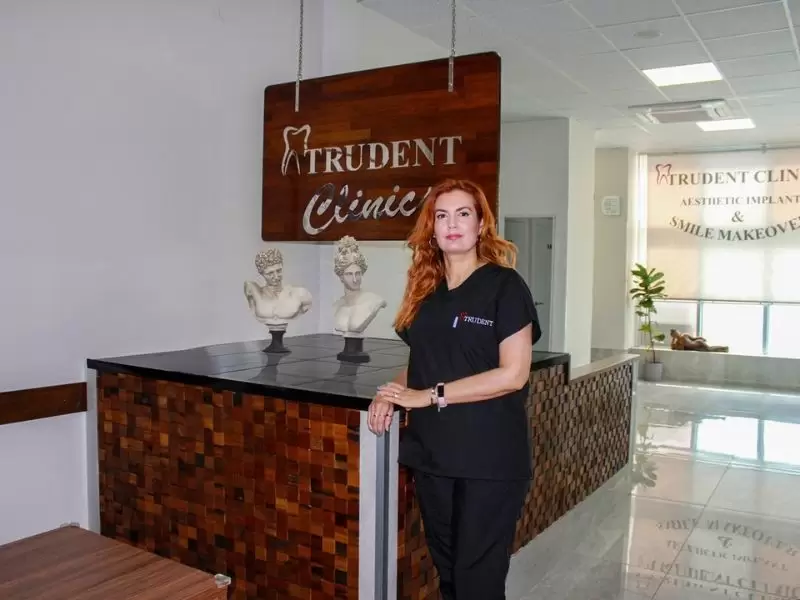
Ready to book your consultation? The team at TruDent Clinics in Izmir will tailor a treatment plan around your travel dates and recovery window, so your smile is ready well before your next flight back to Australia.