What to Do If Your Dental Implant Feels Loose
A dental implant should feel stable when you bite, chew, or touch it with your tongue. If the implant, crown, or bridge seems to move, treat the change seriously and arrange a dental examination promptly. Even slight mobility can indicate a mechanical problem or an issue affecting the supporting bone and gum tissue.
Avoid testing the area repeatedly, chewing on that side, or attempting to tighten the restoration yourself. A loose dental implant can worsen if pressure continues, while early treatment may prevent more extensive damage. The correct response depends on which part of the implant restoration is moving.
Some temporary tenderness after implant surgery can be expected, but movement is different from normal healing discomfort. Knowing the warning signs and understanding what your dentist will check can help you protect the implant until professional care is available.
Treat Movement As A Dental Priority
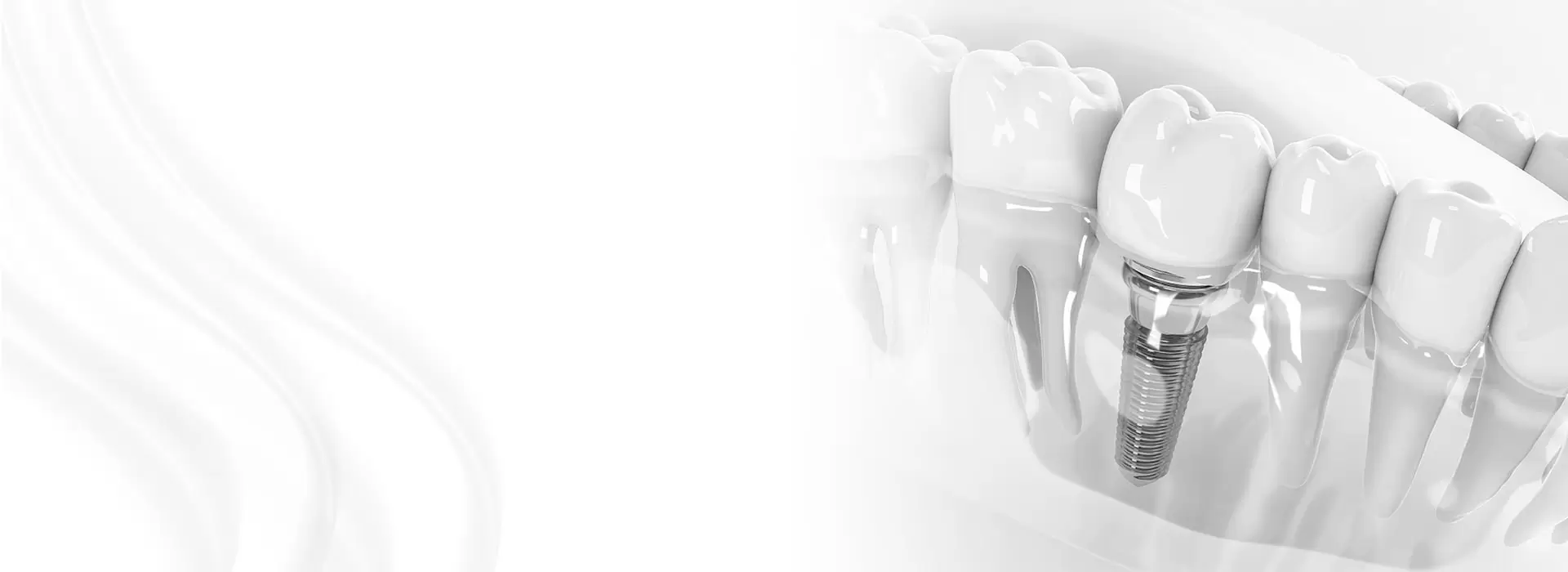
A complete implant restoration usually contains three parts: the titanium implant placed in the jawbone, the abutment that connects the implant to the visible restoration, and the crown or bridge that replaces the tooth. Patients often describe all mobility as a “loose implant,” although the actual problem may involve only the crown or a connecting screw.
If the implant fixture itself moves inside the gum or feels unstable in the bone, the situation is more concerning. The implant may not have integrated fully with the jaw, or infection and bone loss may have weakened its support. This requires prompt assessment because continued chewing forces can make the area harder to restore.
A loose crown or abutment may be less serious, but it still needs timely attention. Bacteria and food can enter around the opening, and repeated movement may damage the screw, crown, or implant connection. Contact your dentist as soon as possible, especially if the looseness appeared suddenly.
Check What Is Actually Moving
Do not use fingers, tweezers, or dental tools to wiggle the restoration. Instead, notice what you can feel during normal speaking or gentle biting. A crown that rocks while the gum and implant underneath feel fixed may point to a loose abutment screw or cement problem. A sensation of the entire implant shifting is more urgent.
Look for associated changes such as a gap near the gumline, a cracked crown, a clicking sensation, or food collecting around the restoration. Bleeding, swelling, unpleasant taste, pus, or persistent bad breath may suggest inflammation around the implant, sometimes called peri-implant mucositis or peri-implantitis.
Pain is not always present. Some implant complications develop gradually and cause little discomfort until bone support has already been affected. For that reason, the absence of pain should not be used as reassurance if the implant or restoration is visibly mobile.
Recognize Signs That Need Urgent Care
Arrange same-day dental care when looseness occurs with significant swelling, pus, fever, facial swelling, severe pain, or difficulty opening the mouth or swallowing. A restoration that has fallen out should also be protected and taken to the clinic if possible. Do not place it back using household adhesive.
Seek immediate medical attention for difficulty breathing, rapidly spreading facial swelling, uncontrolled bleeding, or signs of a serious allergic or systemic reaction. These symptoms extend beyond a routine implant complication and may require emergency services.
Mild sensitivity around nearby teeth can have other causes, including gum irritation, a high bite, decay, or recent whitening. If sensitivity followed a cosmetic treatment, guidance on managing whitening sensitivity may help distinguish a temporary reaction from a problem involving the implant. Mobility, however, should always be examined separately.
How A Dentist Identifies The Cause
During an appointment, the dentist will ask when the movement began, whether the restoration was recently placed, and whether you have experienced clenching, grinding, trauma, or changes in your bite. The clinician may gently assess the crown and implant components, inspect the gum tissue, and look for inflammation or drainage.
Dental X-rays can show the position of the implant, surrounding bone levels, and signs of infection. In more complex cases, three-dimensional imaging may be recommended to evaluate bone support and the relationship with nearby structures. The dentist may also check whether the restoration is contacting the opposing teeth too heavily.
The examination helps distinguish a loose implant fixture from a loose prosthetic component. This difference determines whether the dentist can repair the restoration in the clinic or whether the implant site itself needs a broader treatment plan.
| What Feels Loose |
Possible Cause |
Typical Dental Response |
| Crown moves while the gum and implant feel stable |
Loose screw, worn connection, or failed cement |
Remove, inspect, repair, and secure the crown |
| Abutment and crown move together |
Abutment screw problem or component damage |
Tighten or replace the screw and assess the implant |
| Entire implant seems to shift |
Failed integration, infection, or bone loss |
Imaging, infection control, and evaluation for removal or replacement |
| Movement with bleeding or swelling |
Inflammation around the implant |
Professional cleaning, periodontal care, and closer monitoring |
| New pain when biting |
High bite, fracture, or surrounding tissue irritation |
Adjust the bite and examine the restoration and supporting structures |
Treatment Depends On The Problem
If the crown is loose but the implant remains firmly integrated, the dentist may remove the crown, clean the connection, replace a damaged screw, adjust the bite, and secure the restoration again. A fractured crown may need repair or replacement. Cement-retained crowns sometimes require removal and re-cementation, while screw-retained restorations can often be accessed more directly.
When inflammation surrounds the implant, treatment may include professional debridement, improved home cleaning, bite adjustment, and treatment of contributing gum disease. More advanced peri-implantitis can require surgical cleaning or regenerative procedures, depending on the amount and pattern of bone loss.
If the implant fixture has failed to integrate or has lost substantial support, removal may be necessary. The area is then allowed to heal while the dentist considers bone grafting, a new implant, or another tooth replacement option. This outcome is not inevitable, especially when a loose component is reported early.
Protect The Area Before Your Appointment
Until you are examined, chew on the opposite side and choose soft foods that do not require forceful biting. Avoid hard, sticky, or crunchy foods, including ice, nuts, chewing gum, and tough meat. Do not deliberately test the implant, press it with your tongue, or sleep with removable components in place unless your dentist has given different instructions.
Continue gentle oral hygiene around the area. Use a soft-bristled toothbrush and clean carefully without forcing floss or interdental brushes through a painful or swollen site. If the restoration has detached, rinse it with clean water, keep it in a small container, and bring it to the appointment.
Pain relief may be taken only as directed on the label or by your healthcare professional, taking existing medical conditions and medications into account. Do not put aspirin directly on the gum, and do not use superglue or other adhesives. These substances can burn tissue, contaminate the implant, and make professional repair more difficult.
Reduce The Risk Of Further Implant Problems
Long-term implant stability depends on healthy gums, balanced bite forces, sound components, and consistent maintenance. A personalized prevention plan should account for smoking, diabetes, gum disease, nighttime grinding, oral hygiene, and the quality and volume of jawbone around the implant.
Useful habits include:
- Brush twice daily with a soft-bristled toothbrush and clean beneath bridges or around implant crowns.
- Use floss, interdental brushes, or a water flosser according to your dentist’s instructions.
- Attend implant maintenance visits and professional cleanings at the recommended intervals.
- Wear a custom night guard if clenching or grinding places excess force on the restoration.
- Avoid smoking and report bleeding, swelling, bad taste, or changes in the bite early.
Regular reviews can identify a worn screw, excessive bite pressure, or early gum inflammation before the restoration becomes visibly mobile. A dentist may also recommend periodic X-rays to monitor bone levels, particularly when there is a history of periodontal disease.
Arrange Prompt Dental Care
A loose dental implant should never be ignored or managed with home repairs. Early evaluation gives the dentist the best opportunity to preserve the implant, repair a damaged restoration, and control inflammation before it affects the supporting bone.
TruDent Clinics in Izmir provides implant consultations, emergency dental care, general treatments, and personalized restorative plans. During an assessment, the dental team can determine whether the movement comes from the crown, abutment, screw, or implant fixture and explain the most appropriate next step.
Schedule a consultation promptly if your implant feels mobile, painful, swollen, or different from usual. Bring any detached component with you, follow the temporary care measures above, and avoid placing further pressure on the area until it has been professionally checked.