Managing dental discomfort without relying too heavily on painkillers
Mild soreness, tenderness and swelling can be expected after procedures such as dental implants, tooth extraction, veneers, crowns, gum treatment or injectable jaw therapies. Discomfort often reflects normal healing rather than a sign that something has gone wrong. The intensity and duration depend on the treatment, your health, and how closely you follow the aftercare plan.
Pain relief medicine has a useful role, particularly during the first day or two. However, taking tablets automatically whenever your mouth feels uncomfortable can create unnecessary risks, especially when different products contain the same active ingredient. A sensible recovery plan combines prescribed or pharmacist-approved medication with simple measures that support healing.
This is especially relevant for Australians travelling to Turkey for dental care. Patients may be recovering in Izmir before flying home to Sydney, Melbourne, Brisbane, Perth or Adelaide, while also navigating private health insurance, Australian pharmacy advice and the practical demands of an international trip. Planning ahead makes post-treatment care more comfortable and predictable.
Understand what normal healing feels like
After local anaesthetic wears off, a dull ache, pressure or sensitivity is common. Swelling may become more noticeable during the first 48 to 72 hours, then gradually settle. Following an implant, extraction or gum procedure, the area can feel tight when you chew or open your mouth. Veneers and crowns may cause short-term sensitivity to hot or cold, while aligner treatment often creates pressure rather than sharp pain.
The pattern matters as much as the strength of the discomfort. Pain that slowly improves is generally less concerning than pain that becomes stronger after several days. A small amount of bruising can also occur after oral surgery or botulinum toxin injections around the jaw, although significant swelling, spreading redness or difficulty breathing requires urgent medical attention.
Before treatment, ask the clinic what discomfort is expected, how long it may last and which symptoms should prompt a review. Request written instructions, including the names and strengths of any medicines. This is particularly important if you take blood thinners, have stomach or kidney problems, are pregnant, or regularly use medication for another condition.
Use pain relief carefully and purposefully
Take medicine exactly as directed by your dentist, doctor or pharmacist. Paracetamol and anti-inflammatory medicines such as ibuprofen may be appropriate for some adults, but they are not suitable for everyone. Ibuprofen can be a concern for people with certain stomach, kidney, heart or asthma conditions, while paracetamol can harm the liver if the total daily amount is exceeded.
Check the label of every product, including cold and flu remedies. Combination medicines may already contain paracetamol, creating an accidental double dose. Do not combine anti-inflammatory products unless a qualified professional has specifically advised you to do so, and avoid using leftover prescription painkillers from an earlier operation. Stronger medication can cause drowsiness, constipation and impaired driving, which matters if you are travelling between an airport, hotel and clinic.
Australians often rely on a local chemist for quick advice, but a pharmacist needs accurate information. Tell them about your dental procedure, allergies, regular medicines and the time you last took a tablet. The Therapeutic Goods Administration regulates medicines sold in Australia, yet products purchased overseas may have different names, concentrations or instructions. Keeping the original packaging and your treatment summary helps prevent mistakes when moving between countries.
Support recovery with simple measures
Cold therapy can ease early swelling and dull soreness. Wrap an ice pack or a bag of frozen peas in a cloth and apply it intermittently rather than placing ice directly on the skin. Rest with your head slightly elevated during the first night if your dentist recommends it. Gentle activity is usually preferable to strenuous exercise immediately after oral surgery, as heavy exertion may increase throbbing or bleeding.
Choose soft, nutritious foods that require little chewing. Yoghurt, scrambled eggs, soup that is warm rather than hot, mashed vegetables and smoothies eaten with a spoon can be easier options. Avoid very hot drinks, alcohol, smoking and crunchy foods while the treated area is vulnerable. Straws may create suction that disturbs an extraction site, so follow the specific advice given by your dental team.
Oral hygiene still matters, but the technique may need to change temporarily. Brush the untreated areas gently and ask when you can clean directly around an implant, extraction socket or gum graft. Do not aggressively rinse, pick at a clot or use strong mouthwash without approval. After some procedures, a prescribed rinse or gentle salt-water rinse may be recommended; after others, rinsing too soon can interfere with healing.
Plan for travel and follow-up
Dental tourism requires more planning than a normal holiday. Before leaving Australia, confirm whether your private health insurance extras policy excludes treatment overseas; Medicare generally does not cover routine adult dental care or cosmetic dentistry abroad. Keep copies of your treatment plan, X-rays, invoices, medicine list and the clinic’s after-hours contact details. Travel insurance conditions should also be checked, particularly for planned treatment and complications.
If you are flying home after an implant or extensive restorative work, ask when air travel is considered suitable and whether you need a review before departure. Long flights from Izmir to Australia can make swelling, fatigue and dehydration feel worse. Carry medication in its labelled packaging, drink water, walk periodically when safe, and avoid placing all important aftercare information in checked luggage.
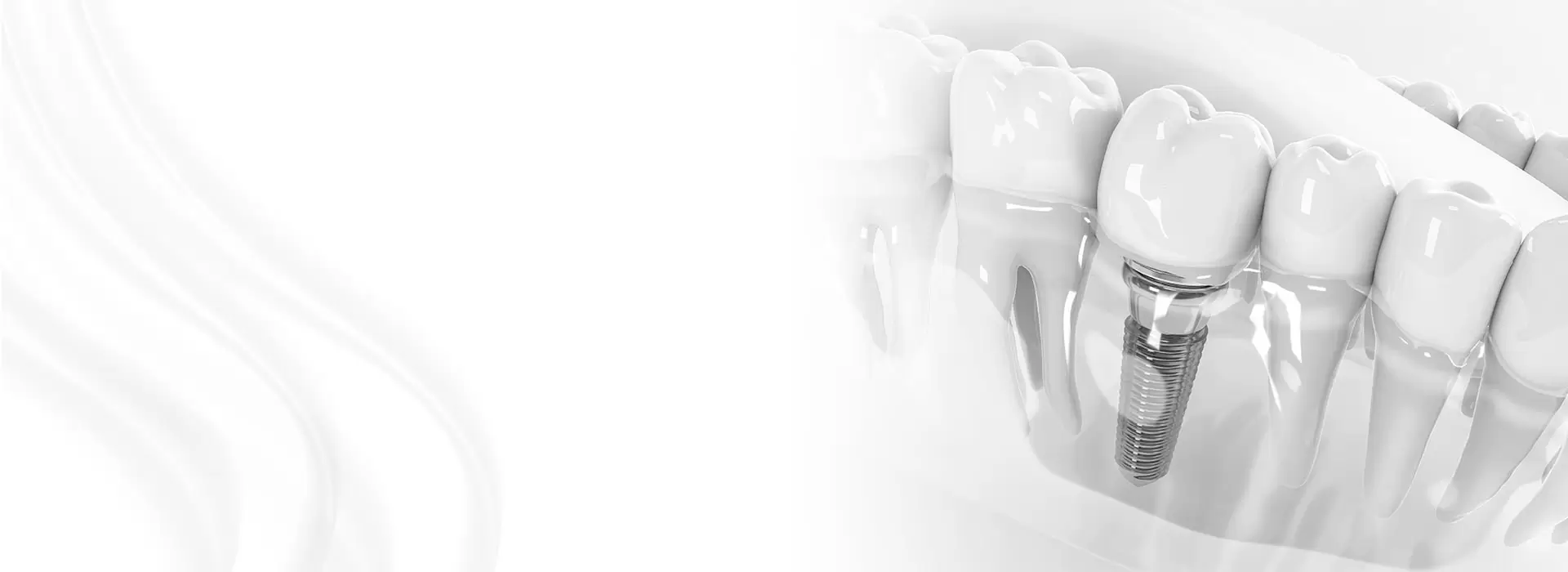
The extent of treatment also affects the recovery timetable. Patients considering full-arch rehabilitation can read this All-on-4 guide to understand why staged appointments, temporary teeth and follow-up reviews may be part of the process. A detailed schedule helps you avoid booking a demanding itinerary immediately after surgery.
Know when discomfort needs professional attention
Contact your clinic if pain is not responding to the agreed plan, becomes more severe after initially improving, or prevents you from eating and sleeping. Other reasons to seek prompt dental advice include persistent bleeding, a loose temporary restoration, an implant that feels mobile, pus, a foul taste, fever or swelling that continues to increase. These symptoms may indicate infection, a bite problem or another issue requiring assessment rather than stronger tablets.
Seek emergency care for facial swelling that affects breathing or swallowing, uncontrolled bleeding, severe allergic symptoms, confusion or collapse. In Australia, call 000 for a life-threatening emergency. For non-life-threatening concerns after returning home, an Australian dentist can assess you, while your original clinic should remain involved where possible. Do not wait until medicine masks the symptoms completely.
A follow-up appointment is often more valuable than simply extending pain relief. The dentist can check your bite, wound, gum condition, restoration or injection site and adjust the treatment if needed. For Australians treated overseas, choosing a clinic with clear communication and accessible aftercare is a key part of the decision, alongside price, technology and the advertised treatment result.
A personalised plan from TruDent Clinics can help clarify expected recovery, suitable pain management and follow-up arrangements before travelling to Izmir. Share your medical history honestly, disclose all medicines and explain any concerns about tablets or previous reactions. That information allows the dental team to recommend safer options rather than relying on a one-size-fits-all approach.
Book a consultation before treatment so you can discuss the expected level of discomfort, non-medicine comfort measures, travel timing and warning signs. With clear instructions, sensible aftercare and timely professional support, most patients can manage recovery without overusing painkillers and return to normal routines with greater confidence.