What Is the All-on-4 Dental Implant Technique?
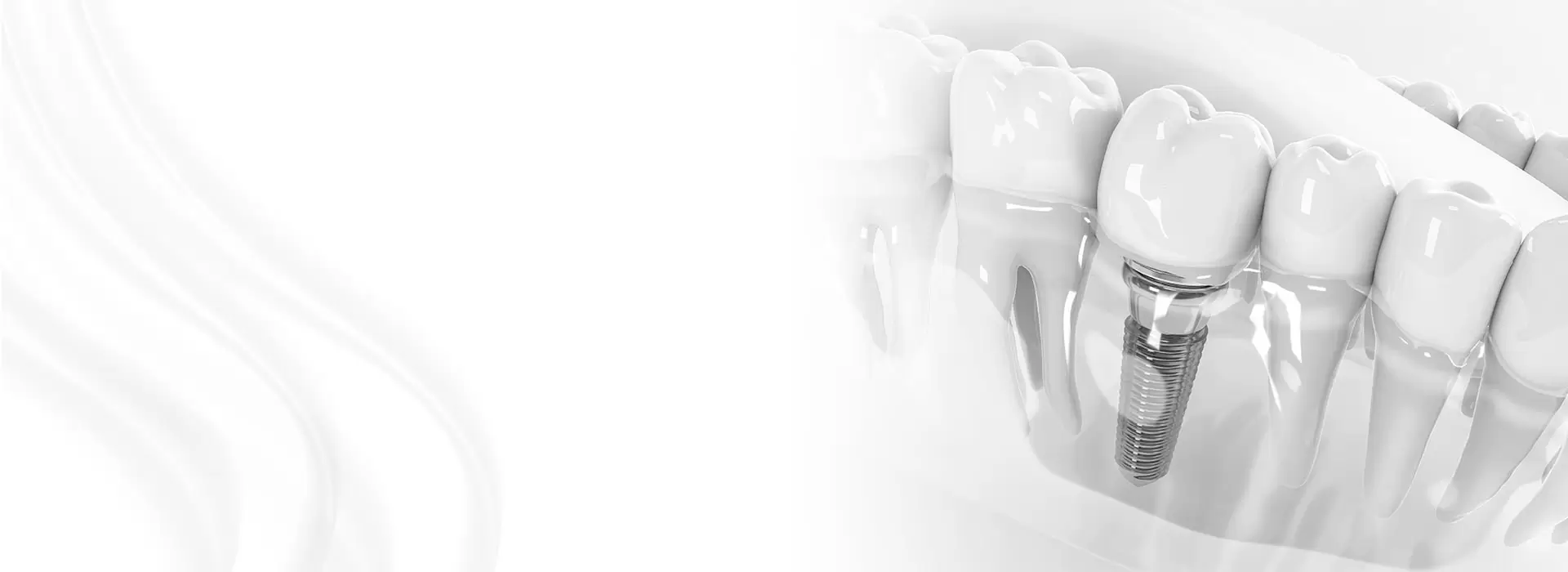
The All-on-4 dental implant technique is a full-arch tooth replacement method designed for people who have lost most or all of their teeth in the upper or lower jaw. Instead of placing an individual implant for every missing tooth, a complete fixed bridge is supported by four strategically positioned dental implants.
This approach can restore chewing function, facial support, and a natural-looking smile with fewer implants than traditional full-mouth rehabilitation. It may also reduce the need for extensive bone grafting in selected patients, although suitability depends on bone volume, gum health, general health, and the condition of the remaining teeth.
All-on-4 treatment is often associated with receiving temporary teeth shortly after implant placement. However, immediate teeth are not guaranteed for every patient. A careful examination, digital scans, and a personalized treatment plan are essential before deciding whether this full-arch implant solution is appropriate.
How The All-on-4 Method Works
The treatment uses two implants positioned near the front of the jaw and two implants placed toward the back. The posterior implants are commonly angled to make better use of available bone and to avoid important anatomical structures, such as the sinus in the upper jaw or the nerve canal in the lower jaw.
A fixed prosthetic bridge is attached to these implants after they are placed. The bridge may contain a complete row of artificial teeth supported by a strong framework. Because the restoration is secured to implants, it does not move around like a removable denture and generally provides greater stability when eating and speaking.
The “four” in the name refers to the usual number of implants supporting one arch. Some cases require additional implants because of bone conditions, bite forces, medical factors, or the planned design of the restoration. The final decision is made after clinical assessment rather than from the technique’s name alone.
Who May Benefit From Full-Arch Implants
All-on-4 may be considered for adults with severely damaged teeth, advanced tooth loss, failing restorations, or complete edentulism. It can be useful when several teeth would require extraction and replacement, since a fixed full-arch bridge may offer a more coordinated solution than treating every tooth separately.
Patients with some bone loss may still qualify because the implant positions are selected to use stronger areas of the jaw. Even so, bone quantity and density must be evaluated carefully. Gum disease, uncontrolled diabetes, heavy smoking, poor oral hygiene, and certain medications can affect healing and may require attention before surgery.
A consultation also considers the patient’s bite, facial proportions, expectations, and ability to maintain the restoration. Digital imaging allows the dental team to assess implant placement, prosthetic design, and anatomical risks. At TruDent Clinics, treatment planning can be tailored to the patient’s oral condition and aesthetic goals rather than applying the same design to every smile.
Treatment Stages And Timing
The process normally begins with an examination, dental photographs, three-dimensional imaging, and a discussion about medical history. Teeth that cannot be saved may be removed during the surgical phase, while any remaining healthy teeth may be retained if they can contribute to a suitable treatment plan.
The four implants are placed in the selected jaw, often during one surgical appointment. In carefully chosen cases, a temporary fixed bridge can be fitted on the same day or shortly afterward. This is sometimes called immediate loading. It depends on achieving sufficient implant stability and on the patient following a soft-food and aftercare plan.
The permanent bridge is usually made after the implants have integrated with the surrounding bone. This healing period commonly takes several months, though the exact schedule varies. The final restoration is designed for improved appearance, bite balance, speech, and everyday comfort. Patients researching same-day dental implants should distinguish between receiving temporary teeth quickly and completing the entire implant treatment in one day.
Advantages And Limitations To Consider
A major advantage is that All-on-4 can replace a whole arch with a fixed restoration supported by a relatively small number of implants. This may shorten surgery compared with placing an implant for every missing tooth and can make treatment more manageable for people who need extensive rehabilitation.
The fixed bridge can improve confidence because it is anchored in place during normal activities. Many patients also appreciate the possibility of a planned smile design, improved chewing efficiency, and support for the lips and cheeks after substantial tooth loss. The treatment may be particularly attractive to people who find conventional dentures uncomfortable or unstable.
The method still involves surgery, healing, and long-term maintenance. A temporary bridge can fracture or become loose if it is overloaded during integration. The final restoration may eventually need repair or replacement due to wear, chipping, hygiene issues, or changes in the supporting tissues. Implants can also develop infection around their surfaces, known as peri-implant disease, when cleaning is inadequate.
| Feature |
All-on-4 Treatment |
Traditional Dentures |
Individual Implant Crowns |
| Support |
Fixed bridge on four strategically placed implants per arch |
Rests on the gums and may use suction or adhesive |
Each missing tooth is replaced separately |
| Stability |
Usually high once healing is complete |
Can move during chewing or speaking |
High for each restored tooth |
| Number of Implants |
Commonly four per arch |
None |
Often one implant per tooth |
| Bone Requirements |
May use available bone efficiently |
No implant bone requirement |
May require more bone and grafting |
| Treatment Scope |
Replaces a full arch |
Replaces a full arch |
Best for individual or limited tooth loss |
| Maintenance |
Daily cleaning beneath the bridge and professional reviews |
Cleaning outside the mouth and gum care |
Flossing and cleaning around each crown |
Recovery, Hygiene, And Long-Term Care
Swelling, bruising, tenderness, and temporary changes in speech are possible after implant surgery. Prescribed medication, cold compresses, rest, and a soft diet can support early recovery. The clinical team provides instructions about brushing, rinsing, and avoiding pressure on the temporary bridge while the implants heal.
A fixed full-arch restoration still needs daily cleaning. Special floss, interdental brushes, water irrigators, and purpose-designed tools may help reach the area beneath the bridge. Plaque accumulation around implants can inflame the gums and threaten long-term stability, so home care should be combined with professional maintenance.
Regular reviews allow the dentist to check the bite, implant stability, gum condition, and restoration. The bridge may need periodic tightening or adjustment, and the patient may eventually require a replacement prosthesis. Avoiding smoking, managing health conditions, and wearing a night guard when recommended can help protect the result from excessive forces.
Costs, Risks, And Choosing A Clinic
The price of All-on-4 treatment varies according to the number of arches, extractions, temporary and permanent restorations, imaging, materials, sedation, and any required preparatory treatment. A written plan should explain what is included and distinguish temporary teeth from the final bridge.
Potential risks include infection, bleeding, nerve irritation, sinus complications, implant failure, prosthetic fracture, and an unsatisfactory bite or appearance. These risks are reduced through careful diagnosis, sterile surgical protocols, accurate implant placement, and appropriate follow-up. No responsible provider can guarantee that every implant will integrate successfully.
When comparing clinics, look for transparent treatment stages, qualified implant dentists, modern imaging, clear aftercare arrangements, and realistic communication about healing time. A consultation should cover alternatives as well as All-on-4, including conventional dentures, implant-supported overdentures, individual implants, or treatment of existing teeth where possible.
Practical Steps Before Treatment
A well-prepared patient is more likely to understand the timeline and protect the result during healing. Before committing to surgery, consider these recommendations:
- Arrange a full examination with three-dimensional imaging and a review of your medical history.
- Ask whether temporary teeth, final restorations, extractions, bone grafting, sedation, and follow-up are included in the quoted plan.
- Discuss smoking, diabetes, medications, gum disease, teeth grinding, and any previous implant problems.
- Request information about the bridge material, cleaning method, warranty terms, and long-term maintenance schedule.
- Compare realistic treatment alternatives instead of choosing a technique based solely on speed or advertising.
All-on-4 can be a practical full-mouth rehabilitation option, but the best result comes from matching the technique to the patient’s anatomy, health, bite, and expectations. Some people will benefit from four implants per arch, while others may need additional implants or a different restorative approach.
To explore whether this fixed implant solution is suitable for your smile, schedule a consultation with TruDent Clinics in Izmir. A dental team can assess your teeth and gums, review your scans, explain the available options, and create a personalized plan for restoring comfort, function, and confidence.