Managing swelling after dental implants and extractions
Swelling after dental implant surgery or a tooth extraction is usually temporary, but it can make the first few days feel more dramatic than expected. It is a normal inflammatory response to trauma around the gum, bone and surrounding tissues. The amount of swelling varies according to the procedure, the number of teeth treated and whether grafting was needed. Learn more about Can You Get Veneers If You Have Old Crowns.
Extractions and implants follow different recovery patterns. A simple extraction may cause noticeable puffiness for several days, while implant surgery can involve more tissue manipulation and produce swelling that peaks later. Knowing the expected timeline helps distinguish normal healing from a complication that needs professional review.
Good aftercare can reduce discomfort and make daily routines easier. Ice, careful food choices, rest and following the dentist’s medication instructions all matter. Persistent or rapidly worsening swelling should never be dismissed, especially when accompanied by fever, pus, severe pain or difficulty swallowing.
Why swelling develops after dental surgery
During an extraction, the socket is left open while it heals, and the nearby gum and bone may become inflamed. Blood and fluid can collect in the tissues, making the cheek look puffy. Bruising may also appear because small blood vessels beneath the skin are affected.
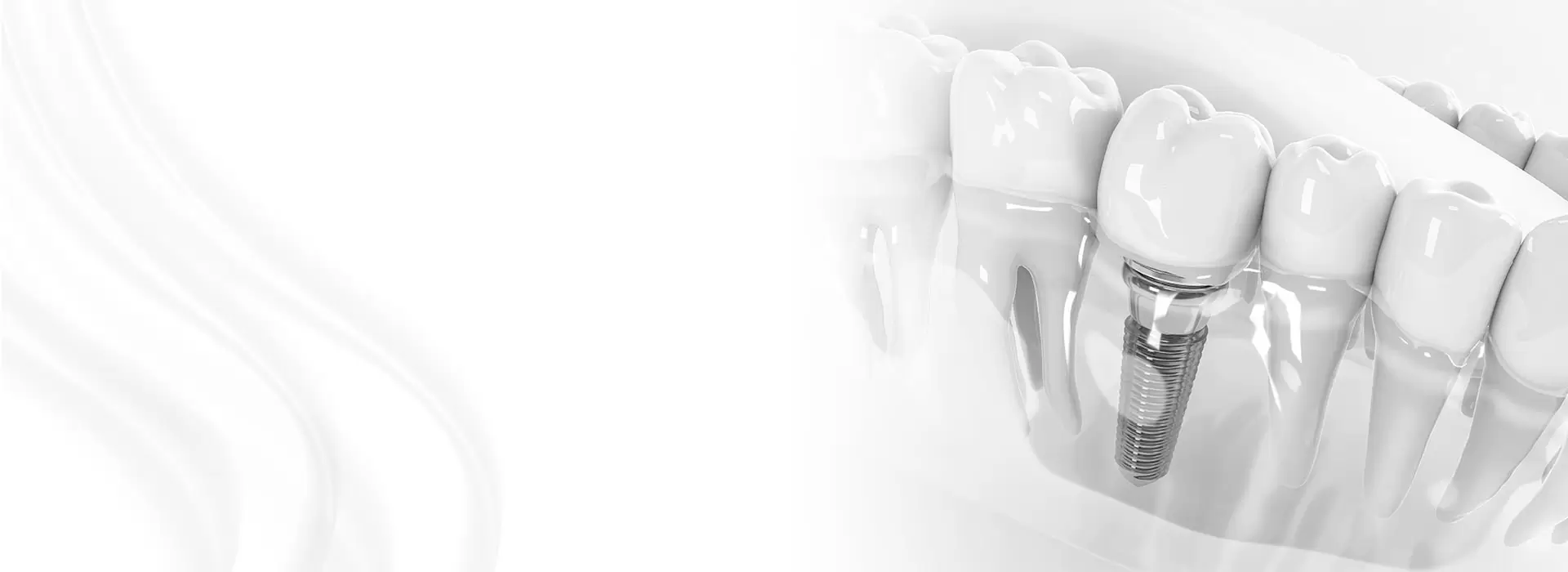
Implant placement requires the dentist to prepare the bone and gum, sometimes adding graft material or raising a flap. These steps create more surgical trauma, so swelling can spread across the cheek or along the jaw. A blood clot is still needed around the wound, but it does not prevent fluid from accumulating in the surrounding tissue.
Swelling alone does not automatically mean infection. Normal healing generally becomes steadier and less severe each day. Increasing pain, discharge, a bad taste or fever after the initial period are stronger warning signs and should be discussed with the treating dentist.
Compare extraction and implant recovery
Most extraction swelling starts within several hours of the procedure. It often becomes most noticeable during the second or third day, then gradually reduces as the socket closes. The cheek may feel tender, and mild bruising can appear where blood has tracked through the tissues.
Implant swelling commonly develops during the first day and may peak between two and four days after surgery. Patients who have had grafting, multiple implants or a more extensive procedure may experience swelling for up to two weeks. These are broad patterns rather than deadlines, so the advice for the individual case should guide the recovery.
| Feature |
After a tooth extraction |
After a dental implant |
| Main area of swelling |
Around the socket, gum and nearby cheek |
Around the treated gum, cheek and sometimes the jaw |
| When it usually starts |
Within the first few hours |
Usually within the first 24 hours |
| Typical peak period |
Approximately 24–72 hours |
Approximately 48–96 hours |
| Usual improvement |
Noticeably better within 3–7 days |
Gradual improvement over 7–14 days |
| Bruising |
May appear around the cheek or jaw corner |
Can be more extensive because more tissue is involved |
| Comfort |
Tenderness usually eases with healing |
Tenderness may continue while the implant integrates with bone |
Bruising can change from red or purple to greenish tones before fading, so colour changes do not always indicate a new problem. Severe pain that becomes worse instead of improving, or swelling that continues to build after several days, needs assessment rather than simple patience.
Reduce swelling with safe home care
Apply a wrapped cold pack to the outside of the cheek soon after the procedure. Use it for 15–20 minutes at a time, with breaks between applications, and never place ice directly against the skin. Cold helps limit swelling during the first 24–48 hours, after which the main priority is gentle healing rather than prolonged icing.
Choose cool or lukewarm, soft foods that do not require much chewing. Suitable options include yoghurt, scrambled eggs, mashed potato, porridge and smooth soup kept at a safe temperature. Avoid hot food, hard crusts, chewing gum and using straws, which can disturb the clot or increase swelling. Do not rinse, spit forcefully or probe the wound during the first day unless the dentist has given different instructions.
Rest with the head elevated, particularly on the first night. Short, gentle walks can support circulation, but avoid heavy lifting, intense exercise and activities with a risk of facial impact for several days. Continue brushing carefully with a soft toothbrush, keeping pressure away from the treated area. After the first 24 hours, a gentle warm salt-water rinse may be appropriate if the dentist approves it.
Take only the medicines listed on the treatment plan. Paracetamol or ibuprofen may be suitable for many patients, but the dose must follow the label or prescription and be checked against allergies, other medicines and medical conditions. Antibiotics are not routinely needed for every extraction or implant procedure and should never be taken from leftover supplies. If the dentist prescribes them, complete the course exactly as directed.
Adapt recovery to Australian daily life
In Sydney and Melbourne, long commutes and busy workdays can make the first 48 hours difficult. Plan light duties, avoid unnecessary errands and ask someone to collect children or groceries if possible. Hot weather can also increase thirst and discomfort, so sip cool water regularly while avoiding very cold drinks that cause pain.
Coffee, alcohol and social routines deserve special attention. Lukewarm coffee may be acceptable if the wound is not painful, but use a normal cup rather than a straw. Avoid alcohol while taking stronger pain medicines and until the dentist confirms recovery is progressing. Contact sports, including football and rugby, should be avoided until the surgeon clears the implant site because another impact could damage healing tissues.
Patients travelling from Australia to İzmir should not schedule a flight too soon after surgery. Ask the treating team for a recommended waiting period, as swelling may peak after the first day and long-haul travel can make pain, fatigue and access to urgent care harder to manage. Arrange a named Australian dentist for follow-up after returning home, especially if the treatment involves grafting or implants.
Routine extractions and implants are generally private costs in Australia because Medicare does not normally cover them. Public dental services and subsidised programmes have eligibility limits, while private health extras policies may provide only partial benefits or impose annual caps. Request an itemised written quote before treatment, including the implant components, grafting, scans, aftercare and any planned crown. Australian medicines should be TGA-approved, and prescriptions should be obtained through a qualified dental practitioner.
Seek help early and plan follow-up
Contact the dentist promptly if swelling starts worsening again after initially improving, pain becomes severe, a foul taste develops or the wound begins producing discharge. Also seek review if there is persistent fever, increasing tenderness or difficulty opening the mouth. Early review can identify trapped food, infection or a healing problem that is not responding to routine aftercare.
Facial or neck swelling that makes breathing or swallowing difficult requires emergency action. Call 000 in Australia, or the local emergency number if outside the country, and do not wait for a routine dental appointment. Heavy bleeding that continues despite firm pressure with clean gauze for 20 minutes also needs urgent assessment.
Schedule a consultation with TruDent Clinics in İzmir and request a personalised recovery plan covering medication, food, activity, swelling escalation and follow-up. Patients travelling from Australia should confirm who will provide urgent dental care after returning home. If the wider restorative plan also includes improving natural teeth carrying old crowns, the clinic’s guidance on [veneers with old crowns] can help clarify those cosmetic options separately from the healing implant site.