How to Prevent Dry Socket After Tooth Extraction for Implants
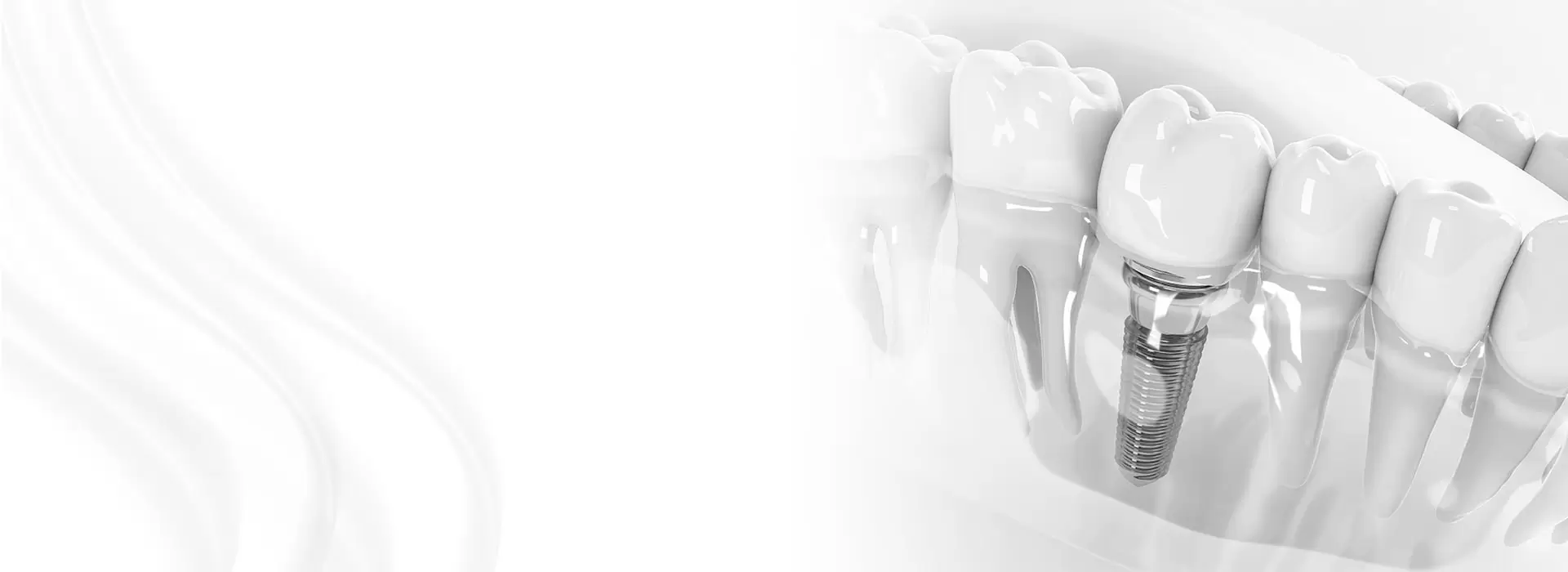
Dry socket, or alveolar osteitis, is the unwelcome guest nobody wants after a tooth is pulled for an implant. The blood clot that normally protects the socket either dissolves too early or fails to form, leaving bone and nerves exposed to air, food and bacteria. The pain that follows is often described as throbbing, deep and radiating toward the ear, and it usually shows up between day two and day four. When an implant is the reason for the extraction, the stakes feel even higher, because the bone that needs to heal is the very bone a future titanium post will fuse with.
Plenty of Australians now travel overseas for affordable implant work, often to clinics in Turkey where the price tag can be a fraction of a local quote. That choice makes prevention more important, not less. Most people fly home within a few days of surgery, so the recovery phase happens in Australian loungerooms, Australian kitchens and Australian pharmacies. A few small habits in that first week can be the difference between a clean recovery and a frantic call to the dentist at 2am.
What dry socket really means for implant patients
The socket left behind after a tooth is removed is a small wound with a big job. It needs to clot, it needs to stay clean, and it needs to keep rebuilding bone. Dry socket happens when that clot is lost or never forms properly. The result is bare bone inside the socket, which is exactly where an implant surgeon wants healthy, undisturbed tissue to grow.
Implants are not placed immediately into every fresh extraction site. Sometimes a graft or a healing period of several weeks is needed first, which means the socket has to behave like a normal extraction wound for a while. Anything that disrupts healing now can complicate that future step. The clot is fragile, almost jelly-like, and anything that creates suction, pressure or contamination can dislodge it. For Australians juggling work, family and a long-haul flight, the temptation is to push through recovery quickly. A few days of genuine rest makes a measurable difference to clot stability, especially after a surgical extraction that involved bone work.
The first 24 hours set the tone
The first day after surgery is not the time to impress anyone with productivity. Bite gently but firmly on the gauze pad your clinician provides, changing it every 30 to 45 minutes until the bleeding slows to a pinkish ooze. Keep your head elevated, even when sleeping, so gravity works with the clot rather than against it. Many Australians are used to a quick arvo nap on the couch, but for the first day or two a propped-up pillow stack does a better job than lying flat.
Avoid rinsing your mouth, spitting forcefully or poking the area with your tongue. All three create the kind of pressure change that can lift a fresh clot. If you need to clear your mouth, let saliva and any blood drool gently into a tissue rather than spitting. Hot drinks are off the menu for the first day, even if a morning flat white is your usual non-negotiable. Lukewarm water or broth is the safer choice until the anaesthetic wears off and feeling returns. Ice packs applied to the cheek in 15-minute cycles help bring down swelling and numb the ache without disturbing the clot itself.
Eating, drinking and keeping the socket happy
Food choices in the first week matter more than most people realise. Soft, cool or room-temperature options are best: yoghurt, smoothies eaten with a spoon, mashed banana, scrambled eggs, porridge and well-cooked pasta. Anything crumbly, crunchy, spicy or seedy can find its way into the socket and irritate the wound. Australians who live on weet-bix or smashed avo on toast will need to soften things up, literally, until the site settles.
Straws are the silent saboteur of healing sockets. The sucking motion generates negative pressure right where you do not want it, and that is true for milkshakes, iced coffees and post-BBQ drinks alike. Australians who treat a weekend arvo with friends as the default social setting should plan to sip straight from the glass for at least a week. Alcohol is another quiet risk. It thins the blood, interacts with common pain medications and can delay healing. The Australian habit of pairing a long lunch with a few glasses of wine does not pair well with a fresh extraction site. Tap water is the smartest drink in the house, and plenty of it supports circulation and tissue repair.
Smoking, vaping and other Aussie habits to pause
Australia has some of the strictest tobacco and vaping regulations in the world, but nicotine use still affects a meaningful slice of the population. Smoking is one of the strongest risk factors for dry socket, partly because the chemicals in cigarette smoke slow healing and partly because the physical act of drawing on a cigarette creates suction. Vaping carries many of the same concerns, plus an added issue with hot vapour contacting the wound. Even social smokers should plan to abstain for at least 72 hours, and ideally a full week.
Australians who take regular smoko breaks at work will need to find an alternative for those few days: chewing sugar-free gum on the opposite side, stepping outside for fresh air without a cigarette, or simply using the break as a moment to stretch. The same logic applies to recreational cannabis, which is increasingly common across Sydney, Melbourne and Brisbane and has its own dry-mouth and clotting implications. For anyone who relies on nicotine replacement therapy, patches or lozenges used against the cheek on the opposite side are usually safer than resumed smoking in the first week. Oral contraceptive users should also mention this at the consultation, since oestrogen can slightly raise dry socket risk.
Keeping the mouth clean without disturbing the clot
Oral hygiene after an extraction is a careful balancing act. The socket needs to be left alone, but the rest of the mouth still needs brushing to keep bacterial load down. A soft-bristled brush, used gently on the teeth next to the surgery site, is fine from day one. Avoid electric toothbrush heads near the wound for the first few days, since the vibration can be surprisingly disruptive. After the first 24 hours, a saltwater rinse becomes a friend. A teaspoon of salt in a glass of warm water, held gently on the opposite side of the mouth and tipped out rather than swished, helps keep the area clean without pressure.
Antibacterial mouthwashes containing chlorhexidine can be useful but should only be used on your clinician's advice, as some formulations can stain or irritate healing tissue. Patients who have had previous restorative work on neighbouring teeth should also be mindful of how they clean around old fillings or crowns during recovery. If you have ever wondered about the different ways dentists rebuild damaged teeth, the explanation of What Is the Difference Between Inlays and Onlays is worth a read before any follow-up treatment planning. Australians juggling extras cover through private health insurers will often find that follow-up visits and certain medications fall partly under their policy, so it pays to check the fine print before any extra appointments.
Warning signs worth a quick phone call
Most recoveries follow a predictable arc. Mild oozing for the first day, swelling that peaks around day two or three, and tenderness that gradually fades. Anything outside that pattern deserves attention. Pain that worsens rather than improves after day three is the classic dry socket signal, especially if it radiates toward the ear or temple and is not controlled by over-the-counter medication. A foul taste or smell from the socket, visible bone where a dark clot should be, or a low-grade fever are all reasons to contact the clinic straight away.
Australians juggling private health insurance extras and Medicare rules sometimes hesitate before calling, but a quick check is usually far cheaper than a missed complication, particularly for those who travelled abroad for the implant work. Some pain relief options are subsidised through the Pharmaceutical Benefits Scheme, which can keep the cost of managing recovery modest. Patients who notice any of these signs should avoid self-treating with strong mouthwashes or home remedies and instead get professional guidance, since a missed dry socket can delay implant placement by several weeks and complicate the overall treatment timeline.
Habits that protect the socket through the first week
- Skip straws, smoking and vaping for at least a week, and avoid spitting or forceful rinsing for the first 24 hours.
- Stick to soft, lukewarm foods and skip alcohol until the clot has settled.
- Use saltwater rinses from day two and brush gently around, but not on, the socket.
- Sleep with your head slightly raised for the first two or three nights.
- Call the clinic if pain spikes after day three or if you notice a bad taste or visible bone.
A little preparation before the extraction goes a long way. Stock the fridge with soft foods, sort out any prescribed pain relief so it is ready to go, and line up someone to drive you home from the appointment. For Australians flying overseas for implant treatment, plan extra recovery days in your destination city before flying back, choose an aisle seat if possible, and keep your clinician's contact details saved in your phone for the long trip home. If you are weighing up implant options, considering a smile makeover, or simply want a tailored plan that accounts for your own health history, the team at TruDent Clinics offers personalised consultations and clear guidance on every step of the journey. Book a consultation online to start the conversation before the chair does.