How to save money on dental work without compromising quality
Dental treatment can represent a significant investment, especially when a plan includes veneers, crowns, implants, orthodontics, or several procedures at once. The lowest advertised price may look attractive, yet the real cost can rise when materials, diagnostic scans, follow-up visits, travel, or corrective treatment are added.
Learning how to save money on dental work without compromising quality means looking beyond the initial quote. A sound decision balances clinical expertise, durable materials, transparent pricing, appropriate treatment planning, and reliable aftercare.
Patients considering treatment in Izmir can often find competitive prices compared with major Western European cities, while still accessing modern clinics and experienced dental teams. The key is to compare complete treatment value rather than choosing a provider based on a single low figure.
Build a realistic treatment budget
Start by identifying the dental problems that require attention now and those that can safely wait. A cracked tooth, active infection, or failing filling usually deserves priority over elective whitening or cosmetic refinements. Treating urgent concerns early can prevent more expensive complications, such as bone loss, root canal treatment, or tooth extraction.
Ask for a written treatment plan that separates consultation, imaging, laboratory work, clinical procedures, medication, temporary restorations, and follow-up care. This makes it easier to compare quotes accurately. A package that appears inexpensive may exclude essential items, while a higher initial estimate may include advanced scans, premium materials, and several review appointments.
Include indirect expenses in the budget. Flights, accommodation, local transport, time away from work, and future maintenance can affect the overall value of dental tourism. Clinics in Izmir may help international patients coordinate appointments efficiently, allowing several suitable treatments to be completed during one visit when clinically appropriate.
Compare value, not headline prices
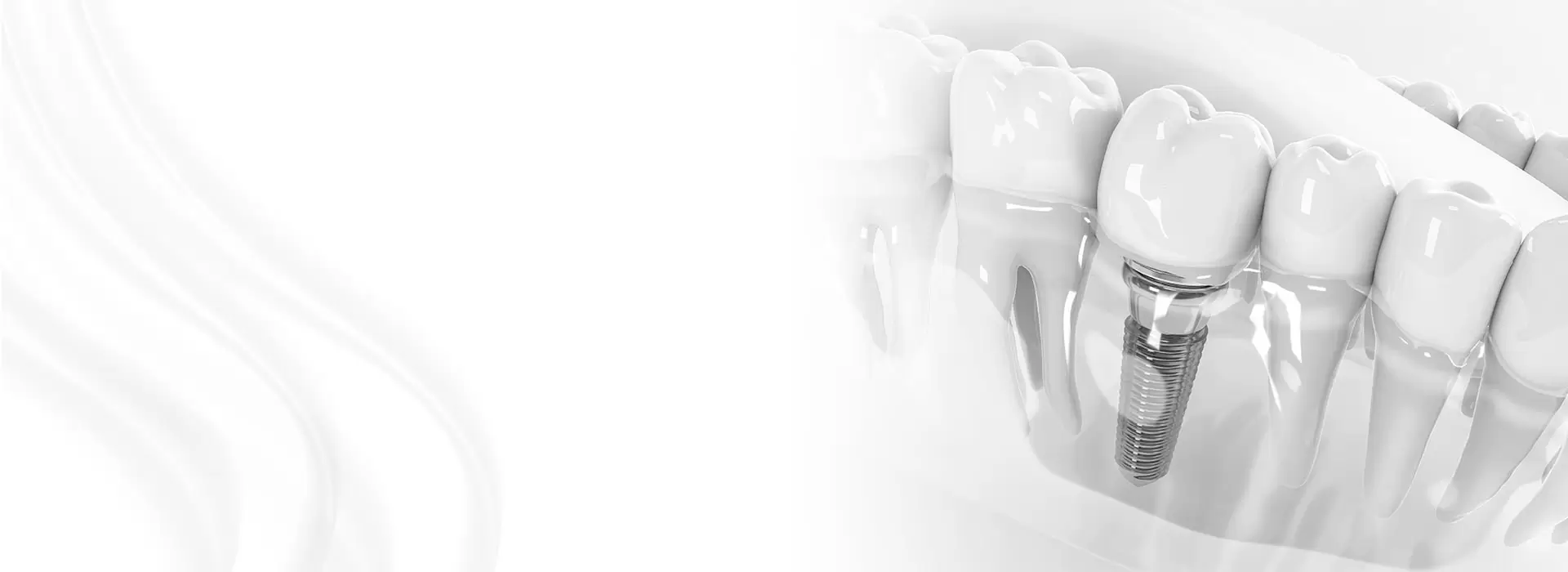
A fair comparison should consider who will perform the procedure, how the diagnosis is made, and which materials are included. For example, the price of a dental crown may vary according to the laboratory, ceramic type, preparation required, temporary crown, and warranty terms. A dental implant quote may need to include the implant fixture, abutment, crown, three-dimensional imaging, bone grafting if required, and reviews.
Cosmetic dentistry also requires careful evaluation. Veneers and smile makeovers should be based on bite, enamel condition, gum health, tooth proportions, and facial features rather than a template smile. A cheaper treatment that involves unnecessary tooth reduction may create future sensitivity or restoration costs.
The following comparison can help distinguish a genuinely economical option from a quote that simply leaves out important details:
| Cost factor |
Questions to ask |
Why it matters |
| Diagnosis |
Are digital scans, X-rays, and a full examination included? |
Accurate planning reduces unexpected procedures |
| Materials |
Which ceramic, implant system, or whitening product will be used? |
Material quality affects appearance and service life |
| Clinician |
What are the dentist’s qualifications and relevant experience? |
Expertise supports safer, more predictable treatment |
| Laboratory |
Is the dental laboratory in-house or outsourced? |
Laboratory standards influence fit and aesthetics |
| Aftercare |
Are reviews, adjustments, and emergency support included? |
Follow-up protects the result after treatment |
| Warranty |
What does the warranty cover, and for how long? |
Clear terms reduce financial risk |
| Travel planning |
Can appointments be grouped without rushing care? |
Efficient scheduling can lower travel expenses |
A trustworthy clinic should explain why a particular option is suitable, including less expensive alternatives when they are clinically safe. Patients should receive enough information to make a considered choice rather than feeling pressured into an extensive package.
Protect quality through clinical checks
The best way to reduce long-term dental costs is to avoid preventable failures. Before cosmetic or restorative work begins, the dentist should assess cavities, gum disease, bite forces, tooth wear, existing restorations, and overall oral hygiene. Treating underlying problems first improves the chance that crowns, veneers, implants, or aligners will perform well.
Ask whether the clinic uses digital impressions, panoramic imaging, or cone beam computed tomography when indicated. These technologies can improve planning for implants, complex extractions, root canal treatment, and full-mouth rehabilitation. Technology alone does not guarantee a good result, but it can support more precise diagnosis when interpreted by a qualified clinician.
Material selection should match the purpose of the restoration. Zirconia may be useful where strength is important, while lithium disilicate or other ceramic options may provide excellent aesthetics in suitable cases. The decision should account for bite, tooth position, gum display, shade, and the amount of remaining tooth structure—not simply the material with the lowest price.
A written warranty can provide reassurance, but it should not replace clinical due diligence. Ask what happens if a restoration chips, an implant fails, or an adjustment is needed after returning home. Clarify whether the warranty requires routine check-ups, excludes damage caused by grinding, or covers only laboratory defects.
Plan treatment in stages
Staging care can make a large treatment plan more manageable. Stabilizing gum health, repairing decay, and addressing infection may come before cosmetic work. Once oral health is stable, patients can decide whether to proceed with whitening, veneers, crowns, invisible aligners, or other elective treatments.
A staged plan may also prevent unnecessary treatment. For example, professional whitening can sometimes improve the appearance of natural teeth enough to reduce the number of veneers needed. An orthodontic solution may correct crowding without extensive tooth preparation. A dentist should explain these possibilities before recommending irreversible procedures.
However, delaying treatment is not always economical. A small cavity, loose filling, or early gum problem may be inexpensive to manage today but costly after months of neglect. Request a timeline that identifies what should happen immediately, what can wait, and what warning signs require prompt care.
People who grind their teeth or clench their jaws should address those habits before investing in cosmetic restorations. A night guard, bite assessment, stress-management support, or other treatment may protect the final result. In selected cases, botulinum toxin may be discussed for jaw-related symptoms; information about TMJ Botox treatment can help patients understand where this option may fit and why professional assessment is necessary.
Reduce travel and maintenance costs
International patients can lower expenses by organizing a complete itinerary before travelling. Send recent dental records, photographs, and previous X-rays when available, then ask whether new imaging is required after arrival. This may help the clinic prepare an initial assessment and avoid appointments that cannot be combined.
Do not compress treatment simply to reduce the number of hotel nights. Some procedures require healing periods, laboratory stages, or review appointments. Implants, complex extractions, and extensive restorative work may need a longer schedule than whitening or a straightforward filling. Safe timing is more valuable than a rushed return flight.
Maintenance should be included in the financial calculation. Veneers and crowns still require careful brushing, interdental cleaning, professional hygiene visits, and protection from hard foods or nail biting. Implants need regular examinations and gum care. Aligners depend on wearing the trays as instructed, while whitening results last longer when staining habits are controlled.
Choose a clinic that provides clear remote support after you return home. Ask how to contact the dental team, which documents will be supplied, and whether a local dentist can coordinate care if an issue develops. Good communication can prevent a minor concern from becoming an expensive emergency.
Use a smart clinic checklist
Before paying a deposit, review the clinic and proposed treatment with the same care used for any major healthcare decision. Look for verifiable dentist qualifications, clear clinical photographs where appropriate, independent patient feedback, modern hygiene standards, and a consultation that includes questions rather than a sales presentation.
Use these practical checks to protect both your budget and your dental health:
- Request an itemized quote that lists procedures, materials, imaging, temporary work, laboratory fees, reviews, and aftercare.
- Confirm the dentist’s experience with the exact treatment, such as implant surgery, full-mouth rehabilitation, veneers, or clear aligners.
- Ask for at least one suitable alternative, including a less invasive or staged option when clinically reasonable.
- Clarify warranty conditions, emergency arrangements, revision policies, and the recommended maintenance schedule.
- Compare the complete cost, including travel, accommodation, time away from work, and possible follow-up visits.
Be cautious when a provider guarantees a perfect smile without examining your teeth or promises treatment in an unrealistically short time. High-pressure discounts, vague material descriptions, and requests for full payment before a proper consultation also deserve careful scrutiny.
A personalized consultation should result in a diagnosis, treatment priorities, estimated timeline, and transparent financial plan. It should also leave room for informed consent, since the most affordable safe option may be different for every patient.
A careful approach can make quality dentistry more affordable without turning healthcare into a price-only decision. Contact TruDent Clinics in Izmir to arrange a consultation, review your dental needs, and receive a personalized treatment plan with clear options for managing cost, timing, and long-term oral health.