Fitting Several Dental Treatments Into One Overseas Visit
Many Australians who have postponed cosmetic or restorative dental work now look abroad to combine several treatments into a single, well-planned trip. Long waiting lists, capped rebates from private health insurers, and out-of-pocket costs that climb into five figures have pushed patients to research clinics in destinations such as Istanbul and Izmir. Turkey has built a reputation for grouping treatments efficiently, with same-day diagnostics, in-house laboratories, and recovery apartments close to the clinic door.
The appeal stretches beyond price. Dental tourism folds consultations, surgery, follow-up reviews, and even a short holiday into one block of leave. Patients who would otherwise stretch treatment over six to twelve months at home can condense the timeline into a fortnight abroad. For anyone balancing a professional schedule in Sydney or Brisbane, or family commitments in Perth or Melbourne, that efficiency is often the deciding factor.
Still, fitting veneers, crowns, implants, and whitening into one itinerary requires more than booking flights. Recovery windows, healing phases, and lab fabrication times influence the order of procedures. A little research, paired with detailed correspondence with the treating clinic, makes the difference between a rushed trip and a calm, well-paced stay.
Australians should note that Medicare does not cover elective cosmetic dentistry, and rebates from funds such as Bupa, Medibank, or HCF usually cap quickly. Many travellers pair their treatment with a longer holiday, breaking the journey through Doha or Dubai to ease the time difference before any drilling begins.
Why patients choose to combine their dental work
Combining treatments reduces duplicate costs because every consultation, scan, and follow-up happens during the same trip. A patient who completes a smile makeover with veneers, whitening, and minor gum contouring in one visit avoids paying for multiple flights, hotel stays, and recovery days. Clinics that specialise in combined visits keep their own technicians and scanners on site, so impressions taken on a Monday can become finished crowns by the end of the week.
There is also a clinical logic to sequencing work in one place. The mouth heals as a single system, and a practitioner who plans the full set of changes in advance can ensure that bite alignment, gum shape, and tooth colour all line up at the end of treatment. When procedures are spread across different providers at home, each new dentist starts from scratch with the patient's records, and inconsistencies creep in over time.
Many Australian patients who have spent months collecting second opinions locally find that a single comprehensive consultation abroad clarifies their options quickly. Digital smile previews and 3D scans allow the clinic to design the final result before any irreversible work begins.
Procedures that pair well together
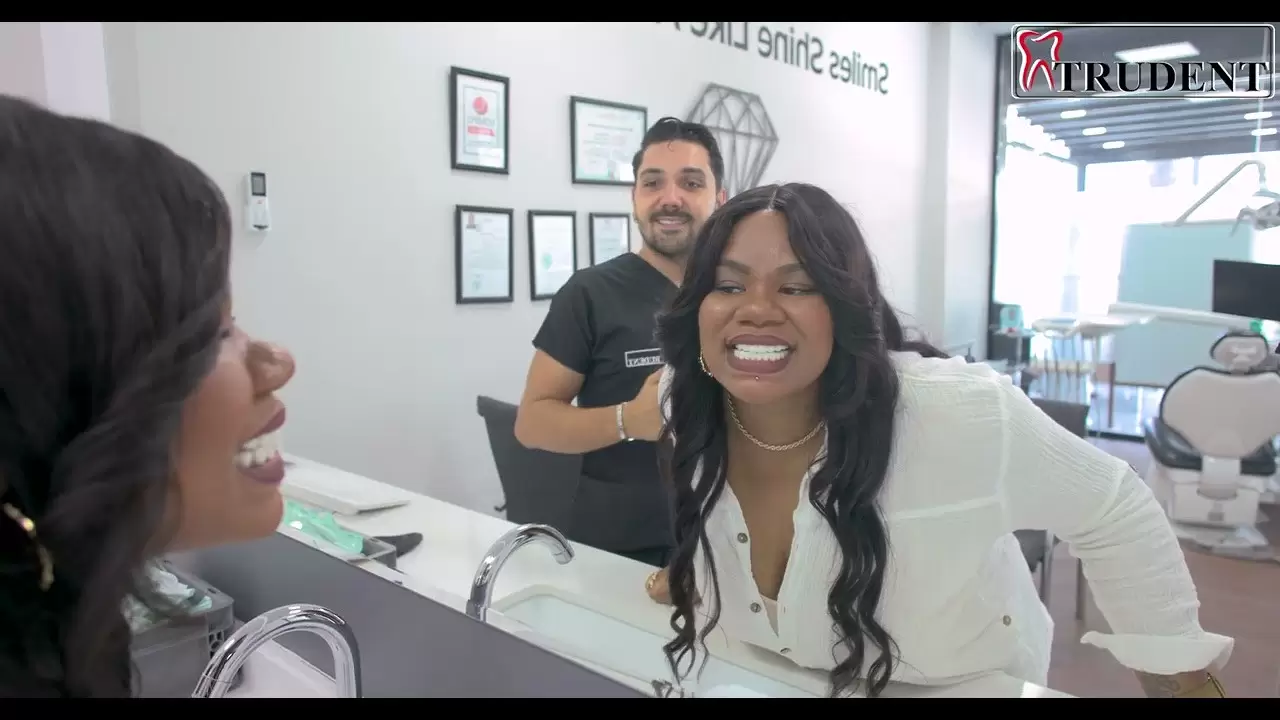
Smile makeovers typically combine several cosmetic treatments. Porcelain veneers are frequently placed alongside gum contouring and professional whitening, since the bleaching lifts the shade of natural teeth so the veneers can be matched to a brighter baseline. Crowns and bridges are often grouped when several teeth in the same arch need restoring, because the lab can fabricate the units together and the dentist can adjust the bite in one session.
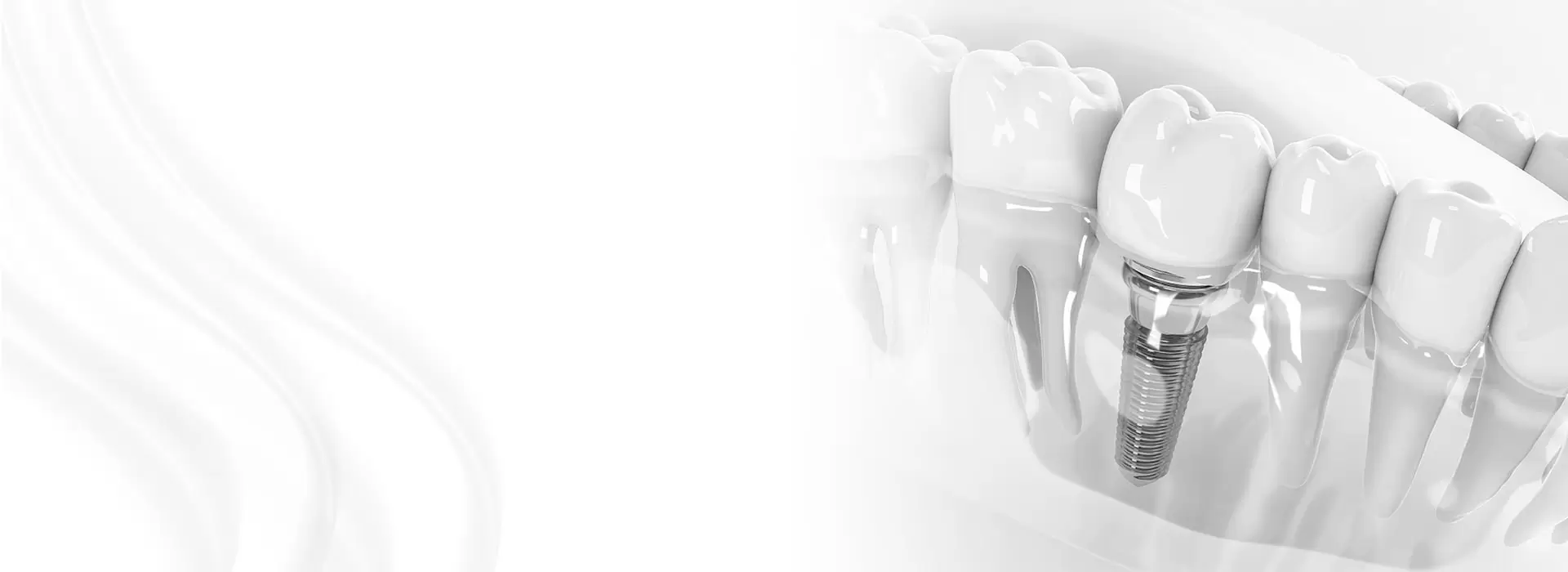
Implants are commonly scheduled alongside bone grafting or sinus lifts, especially for patients who have been told by an Australian specialist that they lack sufficient jawbone density. These supporting procedures are sometimes carried out months before implant placement at home, but abroad they can be compressed into the same surgical visit when imaging shows good healing potential. Some patients also arrange a crown lengthening procedure while already under sedation, avoiding a return trip later.
Orthodontic refinement using invisible aligners fits neatly into a longer stay. Patients have their scans taken, receive the first sets of aligners, and return home with a plan to switch trays every two weeks under remote supervision. Botulinum toxin for jaw tension or gummy smile correction can also be administered during the same visit.
Timing your treatment days
A typical two-week stay covers consultation and scans on day one, treatment in the first week, and a recovery window before final fittings. Most cosmetic work, such as veneers or crowns, requires a temporary phase while the permanent restorations are milled. Patients often use this window to rest, explore the local area, or take a short ferry ride along the coast near Izmir.
Surgical procedures such as implants or extractions need at least 48 to 72 hours of rest before flying home. Air pressure changes and the strain of long-haul travel can increase swelling and discomfort, so practitioners usually recommend scheduling the heaviest work in the middle of the trip. Whitening and minor gum work are best saved for the final days, once the patient has healed enough to sit comfortably for a longer appointment.
Australians flying from the eastern seaboard should factor in the seven-hour time difference between Sydney and Istanbul, which can disrupt sleep and slow recovery if not managed well. Many patients spend the first day or two adjusting before treatment begins, and arrange their return flight with at least three clear recovery days after the final procedure.
Travel logistics from Australian cities
There are no direct flights to Izmir from Australia, but several one-stop options are available through Doha, Dubai, and Singapore. Travellers from Perth can reach Dubai in roughly eleven hours, while those leaving from Sydney or Melbourne add another four to six hours on top of that. Total travel time including the layover sits between twenty and twenty-four hours.
Most clinics coordinate airport transfers, accommodation, and appointment timing as part of a treatment package. Patients who prefer to keep control of their itinerary can still book flights themselves through carriers such as Qantas, Emirates, or Qatar Airways. Travel insurance covering scheduled medical procedures abroad is worth investigating before departure, since standard policies often exclude planned dental surgery.
Australian residents flying home with new crowns, veneers, or implants should remember that customs declarations are required for treatments exceeding the personal-use threshold. Carrying the clinic's paperwork and X-rays makes the entry process smoother at Sydney, Melbourne, or Brisbane airports.
Communicating with the clinic before you fly
A detailed online consultation is the foundation of a successful combined trip. Most reputable clinics ask for recent photographs, panoramic X-rays, and a short medical history before quoting a plan. Sharing information about medications, allergies, and previous dental work helps the team anticipate complications and sequence procedures correctly.
Patients should also ask how the clinic handles aftercare once they return to Australia. A clear protocol for emergencies, a direct messaging line to the treating dentist, and written post-operative instructions are signs of a well-organised practice. Many Australian patients keep their local dentist informed, so routine cleaning and maintenance can continue smoothly once they are back home.
Under Australian Health Practitioner Regulation Agency (AHPRA) rules, a local dentist cannot formally continue a course of treatment started overseas, but they can provide routine check-ups, hygiene visits, and emergency care if something unexpected happens. Building this relationship before departure ensures there is a trusted professional ready to step in if needed.
Recovery, aftercare, and long-term maintenance
Recovery timelines vary widely depending on the procedures chosen. Whitening and bonding usually require little downtime, while implants and bone grafts can mean a week of careful eating. Patients are advised to stick to soft foods, avoid alcohol, and skip smoking throughout the healing phase. Following these instructions has a direct impact on the final result.
Back in Australia, regular six-monthly check-ups and professional cleans remain essential. Cosmetic work does not exempt a patient from routine maintenance, and the longevity of veneers, crowns, and implants depends heavily on good oral hygiene at home. Electric toothbrushes, water flossers, and night guards for grinders are commonly recommended additions.
Long-distance follow-up is becoming easier thanks to telehealth platforms. Many clinics now offer video review appointments at the six-month and twelve-month mark, allowing patients to show their smile and discuss concerns without leaving home. This continuity of care helps protect the investment made during the trip and keeps small issues from becoming larger ones.
Costs, savings, and payment planning
The price difference between Australian and Turkish clinics is significant, even after factoring in flights and accommodation. A single porcelain crown that might cost between AUD 1,800 and AUD 2,500 in a Sydney private practice can often be obtained abroad for a fraction of that figure, particularly when several units are placed in one visit. Veneers, full-arch implants, and combination makeovers show similar proportional savings.
Most clinics accept payment in instalments tied to treatment milestones, with a deposit and the balance due later. Patients using superannuation under the compassionate release scheme for essential dental work should check ATO rules in advance, since processing times can stretch to several weeks. Locking in an exchange rate through a travel money card is a smart move.
If you are considering combining several treatments into a single visit, the team at TruDent Clinics can review your case, suggest an appropriate sequence of procedures, and provide a detailed quote that includes travel coordination. Reach out through the website to share your photographs and medical history, and one of the treatment coordinators will respond with a personalised plan tailored to your timeline and goals.