What Is Crown Lengthening and When Is It Needed
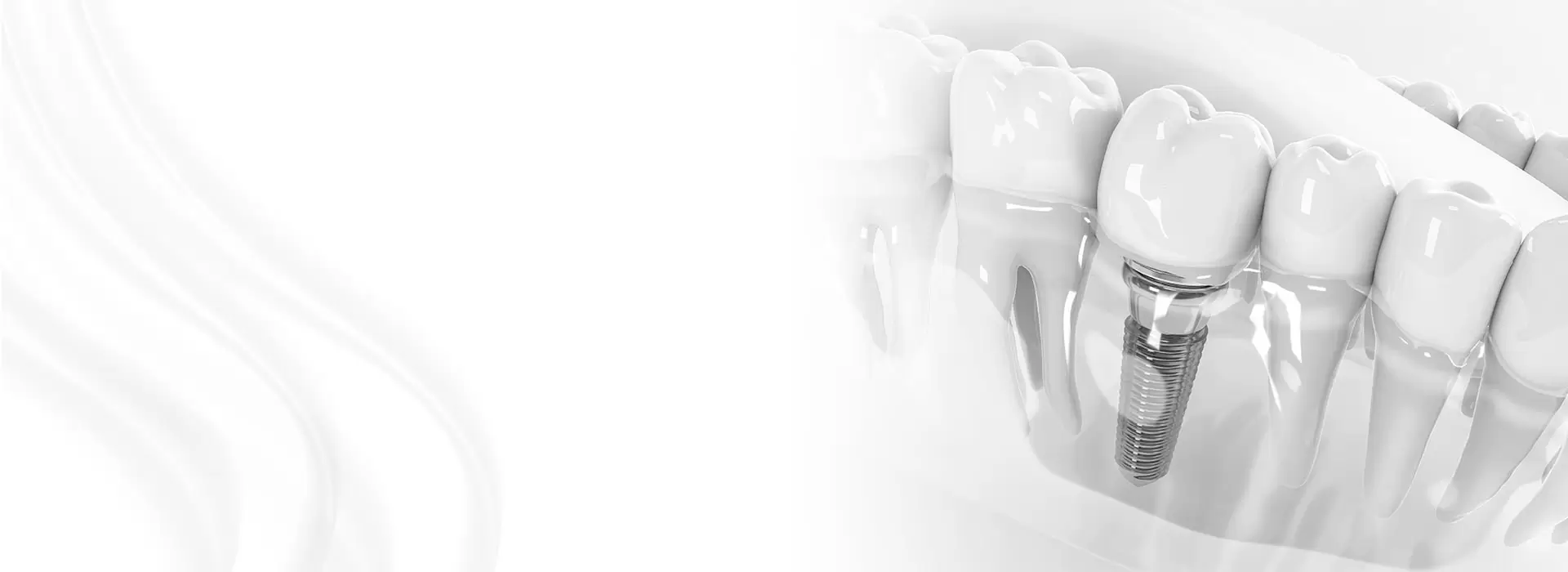
A crown lengthening procedure reshapes the gum line, and sometimes a small amount of supporting bone, to expose more of a natural tooth. Although the name may sound as if the tooth itself becomes longer, the visible change usually comes from repositioning the surrounding gum tissue. The treatment can improve appearance or provide enough tooth structure for a secure restoration.
Dentists may recommend this periodontal procedure when excess gum covers part of a tooth, a tooth is broken close to the gum line, or decay extends beneath the gum. It is also used before placing a dental crown or veneer when there is not enough healthy tooth surface for reliable bonding. The appropriate technique depends on the tooth, gum thickness, bone level, and desired result.
At TruDent Clinics in Izmir, treatment planning begins with an examination of the teeth, gums, bite, and smile proportions. A personalized assessment helps determine whether crown lengthening is appropriate or whether another option can solve the concern with less tissue removal.
Understanding The Procedure
During crown lengthening, a dentist or periodontist gently lifts the gum tissue around the affected tooth. The clinician may remove a small amount of gum, reshape the underlying bone, or perform both steps. The goal is to create a stable margin that leaves enough healthy tooth structure above the gum for restoration or improved symmetry.
There are two common forms of treatment. Functional crown lengthening supports restorative dentistry by exposing damaged or decayed tooth structure. Esthetic crown lengthening, sometimes called a gum lift, adjusts an uneven or excessive gum display to create a more balanced smile. The procedures can look similar, but their planning goals are different.
A detailed examination is essential because removing too much gum or bone can affect sensitivity, root exposure, and the appearance of neighboring teeth. Digital photographs, X-rays, and gum measurements may be used to assess the gum-to-tooth relationship before treatment begins.
Why Dentists Recommend It
A tooth needs a strong, clean foundation for a crown, veneer, or filling. If decay, a fracture, or an old restoration reaches below the gum line, the dentist may be unable to seal the area properly. Exposing more healthy tooth structure can make the restoration easier to place and maintain, while reducing the likelihood of persistent irritation around the gum.
Some patients seek treatment because their teeth appear short or their smile shows an uneven amount of gum. In these cases, excess gum tissue can hide otherwise well-shaped teeth. Reshaping the gum contour may create more consistent tooth proportions, although the final appearance also depends on tooth shape, lip movement, and facial balance.
Crown lengthening is not suitable for every short-looking tooth. A tooth may appear small because of wear, a naturally short crown, tooth movement, or an altered bite. In some cases, veneers, orthodontic treatment, bonding, or a replacement restoration may offer a better solution. The cause should be identified before any permanent tissue changes are made.
What Happens During Treatment
The appointment usually starts with local anesthesia, so the treatment area remains numb. The dentist makes precise incisions around the tooth, gently repositions the gum, and removes the planned amount of tissue. If the bone level prevents the gum from staying in a healthy position, minor bone recontouring may be needed.
The gum is then placed at its new level and secured with fine sutures. Depending on the case, the procedure may involve one tooth or several teeth. A temporary restoration may protect the area when crown lengthening is performed as part of restorative treatment. The permanent crown or veneer is generally placed after the gum has stabilized.
Some clinics use a dental laser for selected soft-tissue procedures. Laser treatment can support precise gum reshaping and may reduce bleeding in appropriate cases, though it does not replace careful diagnosis or bone management when bone removal is necessary. Patients interested in tissue-focused techniques can learn about laser dentistry benefits while discussing which method fits their treatment plan.
| Treatment approach |
Main purpose |
Typical tissue involved |
When it may be considered |
| Crown lengthening |
Expose healthy tooth structure or refine the gum line |
Gum, and sometimes bone |
Decay, fracture, restorative support, gummy smile |
| Gingivectomy |
Remove excess gum tissue |
Gum only |
Excess soft tissue when the bone level is suitable |
| Orthodontic extrusion |
Move a tooth gradually upward |
Tooth and supporting tissues |
Deep fractures or decay where preserving bone is important |
| Tooth replacement |
Remove and replace a non-restorable tooth |
Affected tooth and surrounding site |
Severe damage, infection, or insufficient remaining structure |
Recovery And Aftercare
Mild soreness, swelling, or sensitivity is common during the first several days. The dentist may recommend prescribed or over-the-counter pain relief, an antimicrobial rinse, and a soft diet while the area heals. Cold compresses applied externally in short intervals can help limit early swelling.
Patients should avoid brushing directly over the surgical site until their dentist provides specific instructions. The remaining teeth still need gentle cleaning, since plaque accumulation can irritate healing gums. Smoking and nicotine products can delay tissue repair and increase the risk of complications, so avoiding them during recovery is especially important.
Sutures may be removed after approximately one to two weeks, depending on the material used and the extent of treatment. The gum may continue to settle for several weeks, and the final position can change as inflammation resolves. A permanent crown or veneer may need to wait until the tissue margin is stable, sometimes for several weeks or longer.
Benefits, Risks, And Alternatives
The main benefit is the creation of a healthier relationship between the restoration and the gum. When a crown margin sits on stable, accessible tooth structure, daily cleaning can be easier and the surrounding tissue may be less likely to remain inflamed. In cosmetic cases, careful gum reshaping can improve the visual balance of the smile.
As with any minor oral surgery, possible risks include bleeding, infection, prolonged sensitivity, uneven gum contours, root exposure, and an altered appearance. If too much supporting bone is removed, the tooth may have a less favorable long-term outlook. These risks are reduced through conservative planning, accurate measurements, and appropriate follow-up.
Alternatives depend on the problem. A gingivectomy may be enough when only excess gum is hiding the tooth. Orthodontic extrusion can move damaged tooth structure into a more accessible position while preserving the supporting bone. A new filling, bonding, veneer, crown, dental implant, or extraction may be considered when the tooth cannot be predictably restored.
Planning A Safe Treatment
A consultation should include a review of medical history, medications, smoking status, gum health, bite, and previous dental work. Active gum disease or poor plaque control may need attention before surgery. The dentist should also explain how much tissue is expected to be removed, how the smile may change, and when any final restoration can be placed.
Patients considering treatment in Izmir may compare restorative and cosmetic goals during the same appointment. Crown lengthening can sometimes be coordinated with crowns, veneers, smile makeovers, or other dental treatments, but sequencing matters. The gum must be stable before the final cosmetic result is judged.
Useful points to discuss with the dental team include:
- Whether the treatment is intended to improve function, appearance, or both
- Whether gum tissue alone or gum and bone will be reshaped
- How long healing may take before a permanent restoration
- Which symptoms are expected and which require urgent review
When To Contact The Clinic
A little tenderness is expected, but increasing pain, heavy bleeding, worsening swelling, fever, pus, or a loose temporary restoration should be reported promptly. A dentist can determine whether the symptom reflects normal healing or requires additional care. Emergency dental support may be appropriate when severe pain or trauma affects the tooth before planned treatment.
Crown lengthening is a carefully planned way to expose more usable tooth structure or create a more even gum line. The best result comes from matching the technique to the tooth’s condition, the surrounding bone, the patient’s smile, and the planned restoration.
To find out whether this procedure is suitable for your teeth, schedule a consultation with TruDent Clinics in Izmir. The dental team can examine the area, explain the available options, and develop a treatment plan focused on a healthy and natural-looking result.