How to tell if a tooth needs a root canal before a crown
A dental crown can restore a cracked, heavily filled or badly worn tooth, but it cannot remove infection inside the tooth. If the pulp—the soft tissue containing nerves and blood vessels—has become inflamed or infected, root canal treatment may be needed before the crown is fitted. Placing a crown over an untreated infection can allow pain and bacteria to continue beneath the restoration.
For patients in Australia considering treatment in Izmir, understanding the warning signs can make planning easier. TruDent Clinics provides examinations, digital diagnostics and personalised treatment plans for patients who need restorative or cosmetic dentistry. A consultation can clarify whether the tooth needs endodontic treatment, a crown, a different restoration or removal.
What a crown and root canal each do
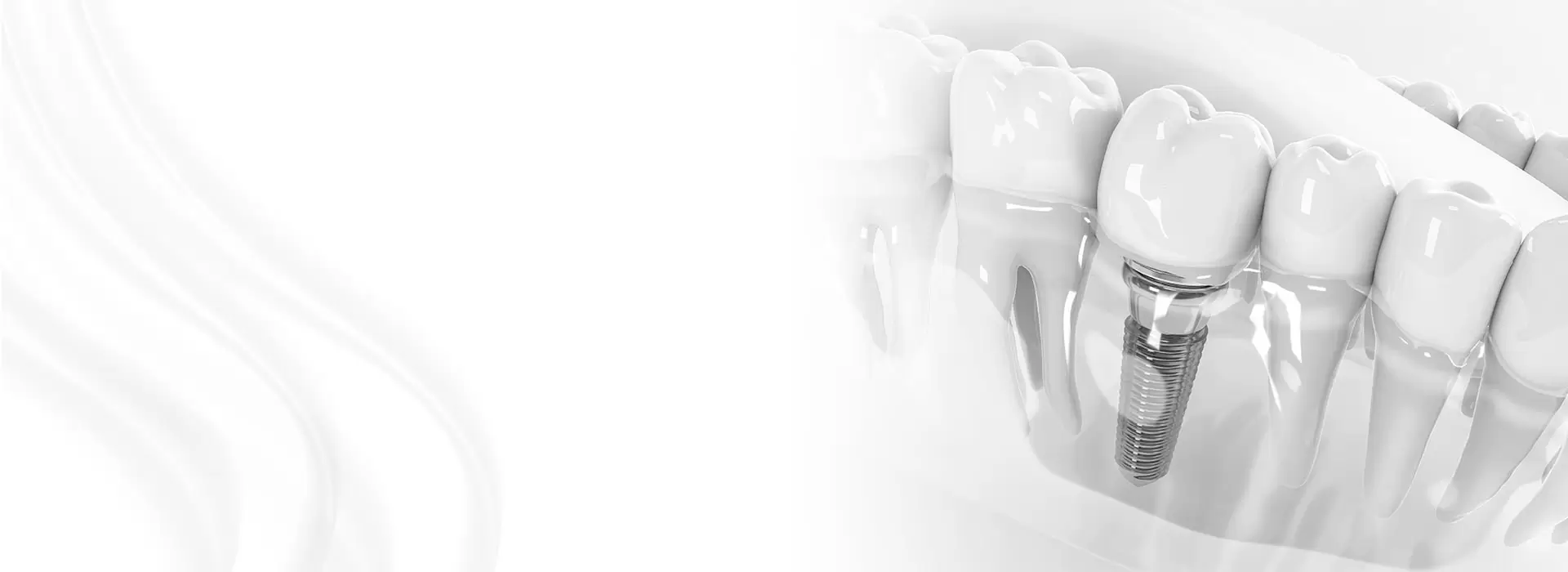
A crown is a custom-made cap that covers the visible part of a tooth. It can strengthen a tooth after a large filling, protect a fracture or improve its shape and appearance. Crowns are commonly recommended for molars that have lost substantial structure, as these teeth absorb strong chewing forces.
Root canal therapy treats the inside of the tooth. The dentist removes infected or irreversibly inflamed pulp, cleans and seals the root canals, then rebuilds the tooth. A crown is often placed afterwards because a tooth weakened by decay, cracks and access openings can be more vulnerable to further damage.
These treatments solve different problems, so a crown does not automatically mean a root canal is required. If the pulp is healthy and well protected, the dentist may prepare the tooth for a crown without removing the nerve.
Symptoms that can point to a root canal
Persistent toothache is one of the clearest warning signs. Pain that lingers after hot coffee, tea or soup, or discomfort that continues after cold food has been removed, may indicate irreversible pulp inflammation. Some people notice a deep, throbbing ache that becomes worse when lying down or trying to sleep.
Pain when biting or releasing a bite can also be important, particularly if the tooth has a crack or inflammation around its root. Other possible signs include swelling near the gum, a small recurring pimple, a bad taste, darkening of the tooth or tenderness when the dentist taps it. A tooth that feels unusually high when you close your teeth may have inflammation around the root.
Symptoms do not always appear together. A dead or infected pulp can sometimes cause little or no pain, especially after the nerve has stopped functioning. A dental abscess may still develop, so the absence of discomfort does not prove that a crown can be placed safely without further treatment.
Why symptoms alone cannot provide an answer
Tooth pain can come from decay, a cracked filling, gum disease, bite pressure or sensitivity in a neighbouring tooth. A crown may be appropriate for some of these conditions, while root canal treatment may be unnecessary. Conversely, a tooth that seems suitable for a crown may have hidden inflammation that becomes obvious only during examination.
Dentists usually combine your symptoms with clinical tests. Cold or electric pulp testing can show how the nerve responds, while percussion and bite tests assess the tissues around the root. These tests are compared with nearby teeth because a single result does not always provide a complete diagnosis.
A recent injury can also affect the pulp without causing immediate pain. A front tooth that was knocked during sport, for example, might gradually change colour months later. Australian patients who play Australian rules football, rugby or contact sports should mention old dental injuries before restorative treatment is planned.
How imaging helps assess the tooth
Dental X-rays allow the dentist to check for deep decay, changes around the root tip, bone loss and the shape of the canals. A standard periapical X-ray is often sufficient, although a three-dimensional CBCT scan may be considered when the tooth has complex anatomy, a suspected fracture or a previous root canal that has failed.
Imaging is helpful, but it must be interpreted alongside the examination. A normal-looking X-ray does not always exclude early pulp disease, while a dark area near the root may have more than one possible cause. The dentist may recommend monitoring, testing again or seeking an endodontic opinion before committing to a crown.
If a crack extends below the gum line or the tooth has too little sound structure left to support a restoration, root canal treatment and a crown may not provide a predictable result. In that situation, extraction and tooth replacement could be discussed. Patients considering an implant should also share smoking or vaping habits, as these can affect healing; guidance on smoking and implants can help inform that conversation.
When a crown can be placed without root canal therapy
A tooth may receive a crown without root canal treatment when the pulp is healthy, symptoms are absent and testing does not suggest irreversible inflammation. This can apply to teeth with large but stable fillings, significant wear or a fracture that has not reached the nerve. The dentist may use a protective base or bonding material to reduce irritation during crown preparation.
Even in these cases, some sensitivity after preparation is possible. Temporary sensitivity may settle as the tooth recovers, but severe pain, spontaneous throbbing or prolonged hot and cold sensitivity should be reported promptly. Occasionally, a previously healthy pulp becomes inflamed after extensive preparation and later requires root canal treatment.
When root canal therapy is clearly indicated, it may be completed before the final crown. Depending on the tooth and infection, the dentist might place medication and a temporary filling first, then allow time for symptoms and tissues to settle. The permanent crown is fitted once the tooth has been adequately cleaned, sealed and rebuilt.
What treatment and recovery usually involve
Root canal treatment is performed under local anaesthetic, similar to other dental procedures. The dentist isolates the tooth, creates a small access opening, cleans the canals and seals them. Modern instruments and imaging can make treatment more precise, although the number of appointments depends on the tooth, infection and available structure.
Afterwards, mild tenderness when biting is possible for a few days. The temporary restoration should be protected by avoiding hard or sticky foods on that side until the final crown is fitted. Good brushing, interdental cleaning and attendance at review appointments help protect the treated tooth and the surrounding gum.
A crown may be made using ceramic, porcelain fused to metal, zirconia or another suitable material. The choice depends on location, bite, appearance and remaining tooth structure. Back teeth generally require strength, while visible teeth may place greater emphasis on shade and translucency.
Planning dental care from Australia to Izmir
Australian patients often compare treatment options by looking at diagnosis, materials, clinician experience, follow-up and total travel costs rather than focusing only on the advertised crown price. Fees in Sydney, Melbourne, Brisbane and Perth vary between clinics, and private health extras may cover part of restorative care after waiting periods and annual limits. Medicare generally does not cover routine adult dental treatment, so checking policy conditions before booking is sensible.
If travelling to Turkey, request a written treatment plan that separates examination, X-rays, root canal therapy, build-up, temporary restoration and final crown costs. Ask how many visits are expected and what support is available if sensitivity or another concern develops after returning to Australia. It is also wise to leave enough time between appointments and avoid scheduling treatment immediately before a long flight if significant swelling or infection is present.
TruDent Clinics in Izmir can assess whether the tooth is suitable for preservation and explain the alternatives in a consultation. A personalised plan should account for your medical history, medications, previous dental work, bite, cosmetic goals and the amount of healthy tooth remaining.
Arrange a dental assessment before approving a crown, particularly if you have lingering sensitivity, biting pain, swelling, a darkened tooth or a history of trauma. Contact TruDent Clinics to discuss diagnostic imaging, root canal treatment, crowns and other restorative options, and receive a clear plan for protecting your oral health.