Bridge vs Implant for Two Missing Teeth
When two neighbouring teeth are lost, the gap can affect your bite, trap food and allow nearby teeth to drift. For this situation, the main difference between a bridge and an implant is how the replacements are supported and whether your remaining teeth need to be crowned.
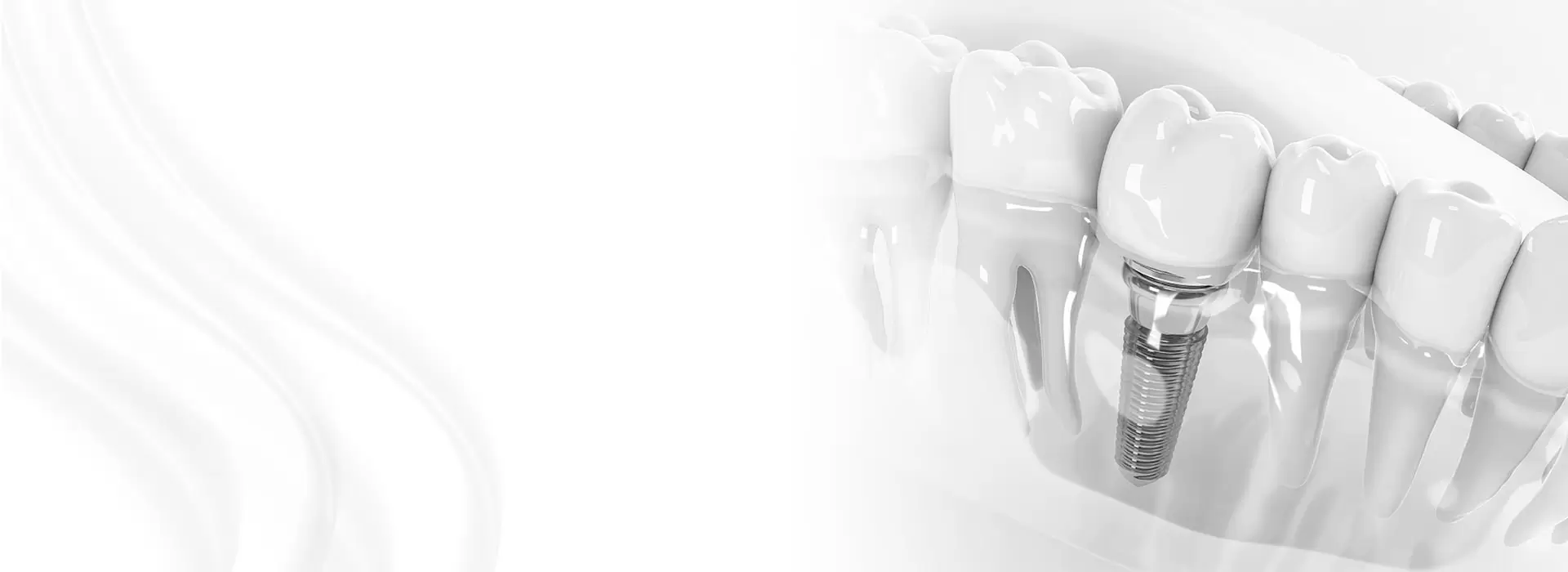
A conventional bridge joins two replacement teeth, called pontics, to crowns fitted over the natural teeth at each side. An implant usually places a titanium post in the jawbone for each missing tooth and attaches a custom crown. A two-implant bridge is another possible design, so the names alone do not show how the teeth are supported.
Neither option suits every patient automatically. A bridge can be sensible when the supporting teeth are strong and already need crowns. Implants can avoid preparing those teeth when bone and gum health are favourable. Clinical findings, budget, maintenance and travel plans all affect the decision.
This guide explains the trade-offs without replacing an examination. Australians comparing treatment in Izmir with clinics in Sydney, Melbourne or their local city should ask what is included, who will maintain the restoration and what happens if a problem develops after returning home.
How the gap is replaced
For two adjacent missing teeth, a conventional bridge is often a four-unit restoration: a crown on each neighbouring tooth and two pontics across the gap. An implant restoration commonly uses two separate implants and crowns, although a connected two-implant bridge is possible. The jaw anatomy determines which arrangement is suitable.
| Feature |
Dental bridge |
Dental implant |
| Support |
Crowns on natural teeth at each side |
Implant posts integrated with the jawbone |
| Tooth preparation |
Usually involves preparing both abutments |
Adjacent teeth generally remain uncrowned |
| Surgery |
Normally not required |
Implant placement procedure required |
| Healing |
No bone-healing period |
Usually several months before loading |
| Daily cleaning |
Clean beneath pontics and around crown margins |
Clean around the crown and implant gum line |
| Main concern |
Decay or failure of supporting teeth |
Infection, bone loss or integration failure |
The key difference is where the load travels. A bridge shares chewing forces across crowned supporting teeth, while each implant draws support directly from bone. An implant can therefore feel independent, although a well-designed bridge can also feel stable and natural.
Radiographs and an examination are needed to confirm implant positioning and the condition of the abutments. A consultation should prevent a fixed “two implants” quotation when the bone is narrow or a neighbouring tooth has a poor long-term outlook.
Impact on your remaining teeth
A conventional bridge usually requires both anchor teeth to be cut and covered. This can be conservative if they already need restorations, but it creates a larger restoration and may expose sensitive tissue. Sound teeth, heavy biting and a history of decay may favour an approach that leaves the neighbours untouched.
Implants generally avoid preparing adjacent teeth for a conventional bridge, though a separate crown may still be needed for a damaged neighbour. Bone grafting may be required after delayed replacement, and gum recession can affect the final appearance. TruDent’s guide to minimal tooth reduction explains how conservative preparation can help preserve healthy structure.
Before treatment, the dentist should check decay, cracks, mobility, root condition and bite strength. A bridge is not automatically safer because it avoids surgery, and an implant is not effortless when bone is weak or plaque control is poor.
Cost, timing and Australian dental coverage
Bridges often have a lower initial procedure fee because no implant surgery is required, but the quote should include preparation, temporary crowns, laboratory work and the final restoration. Implant estimates may include scans, surgery, grafting, anaesthetic fees, healing visits and separate crowns. Compare itemised plans, not headline prices.
Timing also differs. A bridge can often be prepared and fitted within several appointments, while conventional implants need surgery followed by months of osseointegration before the crowns are fitted. Immediate loading is possible in selected cases, but it is not standard for every two-tooth gap.
In Australia, Medicare generally provides no rebates for routine adult crowns, bridges or implants. State and territory public dental services focus on eligible children, concession holders and people with specific circumstances. Private extras may contribute after a waiting period, yet policies often exclude implants or apply pre-existing-condition limits.
The private market in Sydney, Melbourne and regional cities offers considerable choice, and fees can vary widely. A second opinion can clarify whether a general dentist, prosthodontist or periodontist should manage the case. Ask what the fee covers and whether maintenance remains with the treating clinician.
Appearance, hygiene and long-term risks
Porcelain, zirconia and ceramic-on-metal restorations can look natural, so appearance should not be judged from price alone. A bridge must blend with existing crowns and may match the gum line more easily. Implant crowns can look excellent with ideal positioning, although small spaces between the gum papillae may remain after a long-standing gap.
Both options need daily cleaning and regular reviews. A bridge requires floss or interdental brushes beneath the pontics and around crown margins. Around implants, suitable brushes and a water flosser can help, but aggressive brushing may damage the gums. Smoking, uncontrolled diabetes and grinding increase complication risks.
Bridge problems can include margin decay, sensitivity, chipping and movement if an abutment weakens. Implant risks include infection, inadequate bone, graft failure and peri-implantitis. Neither is inevitable; careful planning, stable neighbouring teeth and consistent maintenance improve the chances of success.
Ask what warranty applies and what future replacement costs might arise. A bridge depends on its supporting teeth, while an implant has no visible joint but still needs lifelong monitoring. A healthy, well-supported bridge can offer good value; implants may be more conservative when sound neighbours should be preserved.
Planning dental treatment in Izmir from Australia
Travelling from Australia adds another layer. A bridge may need only one main trip because fabrication can occur during one stay, although adjustments are still required. Implant placement often means a second visit after healing unless a staged protocol allows the crown to be fitted later.
Confirm whether the itinerary includes scans, sedation, temporary restorations and a written maintenance schedule. For implants, establish who will manage the crown stage and whether the Turkish dentist can liaise with an Australian dentist. Long-haul flying soon after surgery can complicate eating, swelling management and follow-up.
Regulation and privacy deserve attention too. AHPRA administers national registration under the Health Practitioner Regulation National Law, but this Australian registration does not extend to a Turkish clinic. The Australian Privacy Act 1988 also does not automatically govern a Turkish provider’s records, so ask what scans and medical details will be transferred, stored or accessed.
Leave time between treatment and flying home, keep medication instructions accessible and avoid a trip immediately after complex surgery. Regular Australian check-ups and professional cleaning should continue once the restoration is being monitored.
Discuss your options with TruDent
A TruDent consultation can compare a traditional bridge, two individual implants and an implant-supported bridge using the condition of the gap, bone density, neighbouring teeth and your priorities. The plan should state the proposed structure, timeline, maintenance and total cost before treatment starts.
Request a consultation with TruDent Clinics in Izmir and bring recent scans or X-rays if available. The team can determine whether a bridge or implant restoration offers the better balance of tooth preservation, function and appearance for your two-tooth gap.