Crown versus onlay for a damaged back tooth
A damaged back tooth can make chewing or drinking uncomfortable. When a molar or premolar has fractured or lost a large filling, the difference between a dental crown and an onlay comes down to how much of the tooth each restoration covers. The right choice depends on the crack pattern, decay and the amount of healthy structure that remains.
Both options are custom-made restorations designed to protect a tooth and restore biting strength. They can be made from tooth-coloured ceramic, zirconia or a metal alloy, with the material selected according to the location of the tooth, the bite and the patient’s priorities. TruDent Clinics, an aesthetic and general dentistry clinic in Izmir, assesses these details before recommending a personalised treatment plan.
For Australian patients, access and cost are important practical considerations. Medicare generally does not cover routine adult crowns or onlays, while state-funded public dental services focus on eligible groups and urgent care. A private health “extras” policy may reimburse part of the cost, but waiting periods, annual limits and overseas-treatment rules vary, so written confirmation is essential.
Conservative dentistry aims to keep healthy tooth structure whenever it can be retained reliably. An onlay usually removes less tissue than a crown; a crown may be needed when the remaining tooth is too weak to withstand normal forces. A prompt examination and dental imaging are therefore more useful than choosing a restoration from symptoms alone.
How damage changes the restoration choice
Back teeth experience greater vertical and sideways forces than front teeth, so a restoration must handle heavy chewing as well as the patient’s bite. A tooth with a small chipped filling may need a new filling, while deeper decay or a broken cusp often requires a larger, bonded restoration. The location of the damage on the chewing surface is central to the decision.
An onlay can be considered when the tooth has lost a substantial filling but still has strong walls and healthy gum support. It may cover one or more cusps and reinforce the remaining structure without sealing every surface. This can suit a moderately damaged molar or premolar, particularly when the goal is to preserve sound tissue.
A crown becomes more appropriate when several walls are missing, a cusp has fractured or the tooth would be too weak under an onlay. Imaging, probing and bite tests help reveal the extent of damage, although symptoms such as pain on biting do not always match its severity. A deeply split or root-fractured tooth may require a different solution, so diagnosis should precede any restoration decision.
What an onlay preserves
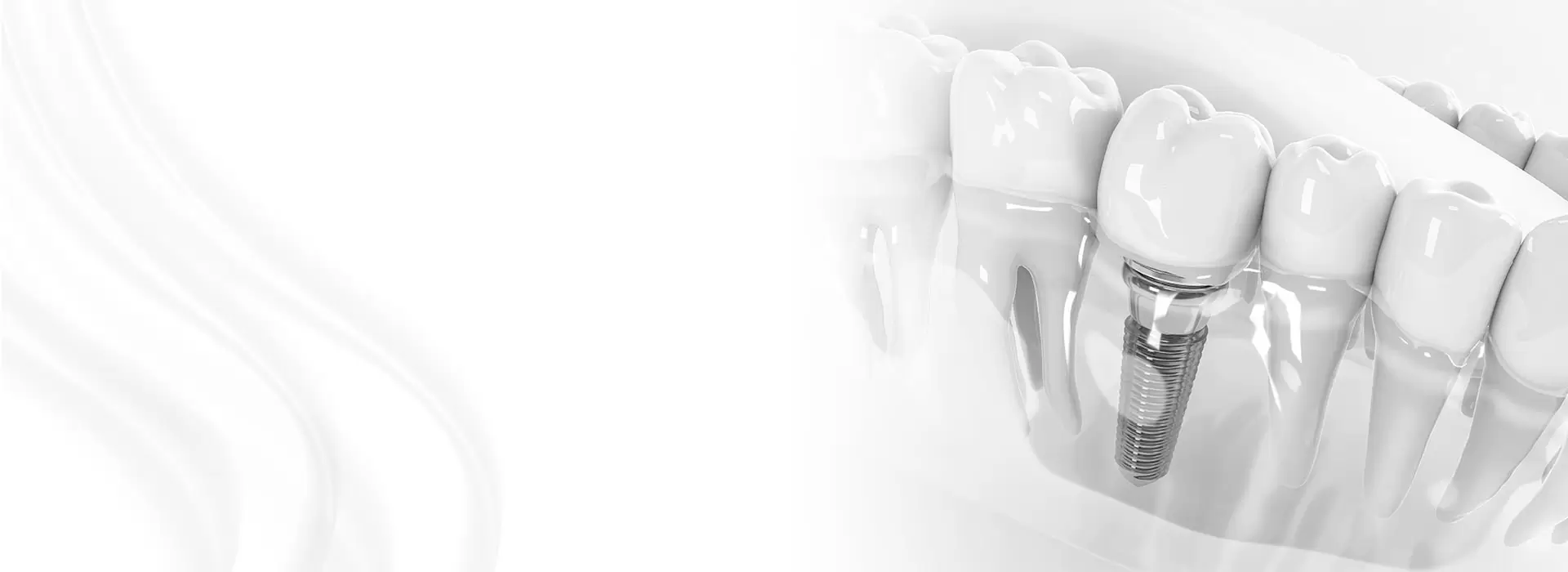
An onlay is a partial-coverage restoration. Unlike a filling that occupies a cavity, it may extend over a cusp and cover a larger section of the chewing surface. TruDent’s guide to inlays and onlays explains the distinction: an inlay remains within the prepared cavity, while an onlay replaces part of the tooth’s outer structure.
Because the onlay leaves suitable walls untouched, less healthy tooth needs to be removed. The custom piece is bonded to the prepared tooth, restoring shape and distributing chewing forces across a broader area. This conservative approach is valuable when the remaining enamel and dentine are healthy enough to provide reliable support.
The process usually involves removing decay or old material, recording the bite, and taking measurements or a digital scan for a laboratory-made restoration. A temporary onlay may protect the tooth until fitting. Patients in Melbourne, Sydney or Brisbane can request a local written estimate before travelling, allowing the proposed material, tooth preparation and likely maintenance needs to be compared with the quote for treatment in Izmir.
When a crown provides stronger protection
A dental crown covers the full visible part of a tooth, including the sides and chewing surface. It is often the safer choice when the remaining structure has thin walls, deep cracks or extensive old restorative material. Encasing the tooth creates a new, even surface and protects weakened cusps from further fracture.
Common reasons for choosing a crown include a large failed filling, a fractured cusp, a tooth with very little sound structure left, or a root-treated tooth that needs protection from biting forces. A crown is not automatically more durable than a well-made onlay; its benefit comes from covering and reinforcing a tooth that needs broader protection.
The trade-off is additional tooth preparation and a more extensive seal around the prepared tooth. If damage later becomes visible beneath a crown, repair can be more involved than replacing an onlay. The dentist must also check the roots, gum margins and opposing teeth, because a crown cannot compensate for an underlying infection, poor support or an active bite problem.
What happens during treatment and recovery
At the consultation, the dentist examines the tooth, checks the gums and surrounding teeth, and uses dental imaging to assess roots and bone support. Bite tests can help locate a cracked cusp. The planned restoration is discussed in relation to symptoms, appearance, cleaning, expected biting loads and the condition of the tooth being restored.
For a laboratory-made onlay or crown, the tooth is prepared, an impression or digital scan is taken, and a temporary restoration may be fitted. At the fitting visit, the shape, colour and bite are checked before the restoration is bonded or cemented. Small adjustments may still be needed after local anaesthetic wears off, particularly around the opposing teeth.
After treatment, mild tenderness and short-lived sensitivity are common. The tooth may feel different while the bite settles, and patients are generally advised to avoid hard or sticky foods on the restored side for several days. Persistent pain, swelling, fever, drainage or a bite that feels high warrants prompt review. Australians who remain at home should contact a local dentist urgently if these signs develop after returning from overseas.
Comparing longevity, cost and maintenance
Cost depends on the tooth, material, number of appointments and how much preparation is required. An onlay is often less expensive than a full crown because less tooth structure is removed, but an estimate should include follow-up care rather than the fitting fee alone. Australian practices may quote in Australian dollars and offer instalment plans, though finance terms differ between clinics and private health funds.
A side-by-side summary highlights the practical trade-offs:
| Feature |
Onlay |
Full-coverage crown |
| Coverage |
Selected cusps and damaged areas |
Entire visible tooth |
| Tooth structure removed |
Usually less |
Usually more |
| Common indication |
Moderate decay or fracture with sound supporting walls |
Extensive damage, a fractured cusp or a weakened tooth |
| Repairability |
Sometimes easier to replace or modify |
Usually requires full replacement if damaged |
| Upfront cost |
Generally lower |
Generally higher |
| Expected longevity |
Potentially many years when bonded and well maintained |
Potentially many years when fitted and well maintained |
Neither option protects an untreated infection or guarantees a fixed lifespan. Good brushing, interdental cleaning, regular professional reviews and protection from grinding all affect durability. A ceramic restoration can mark an opposing natural tooth, while a metal option may be more conservative in a heavily loaded bite; material selection should therefore follow clinical advice rather than appearance alone.
A practical checklist for your consultation
Arrive with a clear understanding of your symptoms, medical history and any previous X-rays. A useful consultation should explain the diagnosis, show why the proposed restoration suits the tooth and identify what would happen with the other reasonable option.
- Request a documented assessment of the fracture, decay, roots and supporting bone before agreeing to treatment.
- Ask whether an onlay can retain enough sound structure or whether full coverage is clinically necessary.
- Compare ceramic, zirconia and metal options based on bite forces, appearance and opposing teeth.
- Request a written quote covering preparation, the restoration, temporary protection, fitting and follow-up.
- Check Medicare, public dental eligibility and private health “extras” terms, including preapproval and overseas exclusions.
- Plan aftercare and recovery time, especially when travelling from Sydney or Melbourne to Izmir, and confirm your travel insurance covers the intended treatment.
For a costly restoration, obtaining a second opinion from a dentist in Melbourne, Sydney or Brisbane is a familiar and sensible part of Australian decision-making. It can clarify whether treatment is urgent and whether a conservative onlay is realistic. If travelling, allow time for an initial consultation and any emergency assessment before committing to a definitive restoration; long-haul travel and unfamiliar aftercare arrangements can otherwise add avoidable pressure.
If you are considering treatment for a damaged back tooth, contact TruDent Clinics in Izmir to arrange a consultation and request a personalised treatment plan, a written estimate and clear aftercare arrangements. The appropriate choice should protect the tooth without sacrificing healthy structure unnecessarily, while giving you realistic information about durability, cost and the next steps.