The Importance Of A Night Guard After Cosmetic Dentistry
Cosmetic dentistry can transform the appearance of your smile, but the result also needs daily protection. Veneers, crowns, bonding, implants and aligners are designed to function in the mouth, yet they can still be affected by grinding, clenching, accidental impact and uneven pressure while you sleep. A night guard creates a protective barrier between the upper and lower teeth during those unconscious hours.
This is particularly relevant for Australian patients who may invest in a smile makeover before an important event, relocation, wedding or professional milestone. Whether you live in Sydney, Melbourne, Brisbane or a regional community, protecting a new smile can help preserve its appearance and reduce the chance of avoidable repairs.
A night guard is not a replacement for good brushing, flossing or regular dental examinations. It is an additional part of a personalised aftercare plan. At TruDent Clinics in Izmir, Turkey, the dentist can assess your bite, restoration type and habits before recommending a suitable appliance and explaining how to use it correctly.
How A Night Guard Protects Cosmetic Work
Bruxism is the clinical term for repeated tooth grinding or clenching. It can happen during deep sleep, often without the patient realising it. The forces produced may be much stronger than those used for normal chewing, placing stress on porcelain veneers, crowns, composite bonding and natural enamel.
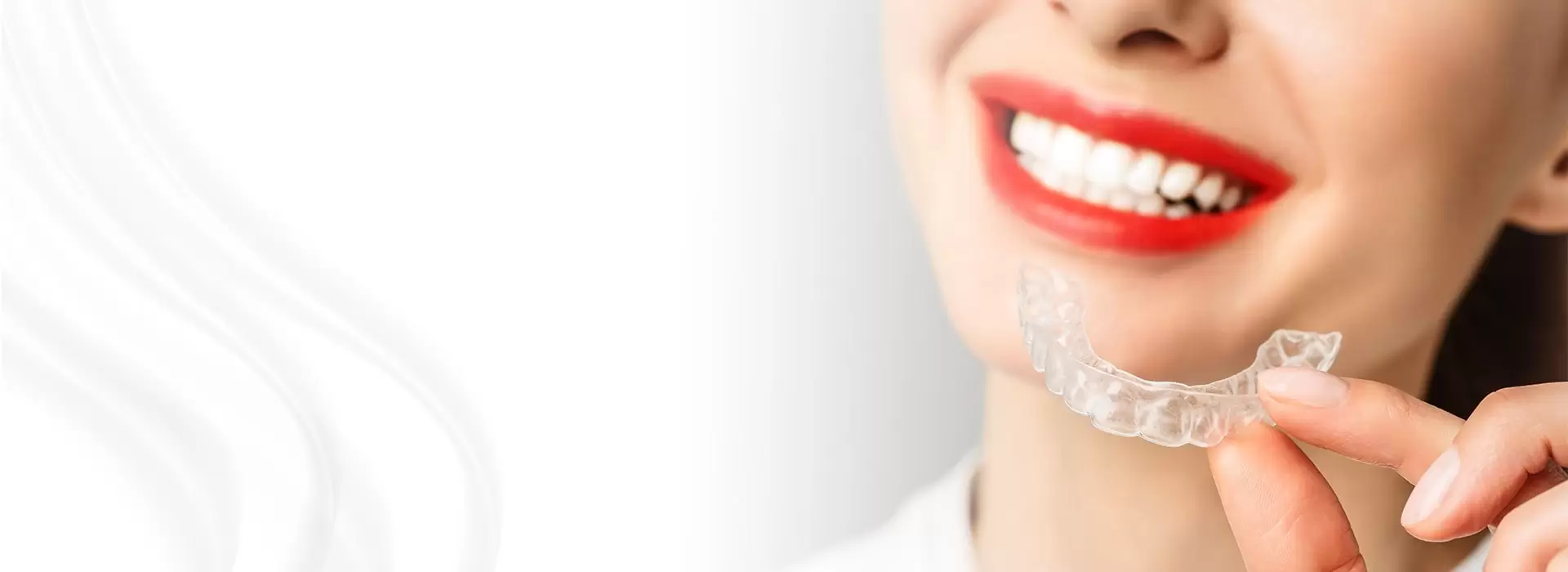
A custom-made occlusal guard is shaped to fit your teeth and distribute pressure more evenly. It can reduce direct contact between opposing teeth, limiting friction and helping to protect the edges of restorations. A guard may also reduce the risk of small chips, surface wear and discomfort in teeth that have recently received cosmetic treatment.
A night guard does not make cosmetic restorations indestructible. Porcelain and other dental materials have specific strength limits, and a poorly fitted appliance may create unwanted pressure. The correct design depends on whether you have veneers, crowns, dental implants, aligners or a combination of treatments.
Why Veneers And Crowns Need Extra Care
Veneers cover the front surface of teeth, while crowns cover more of the tooth structure. Both can deliver long-lasting results when properly planned and maintained, but biting habits still matter. Chewing ice, opening packaging with your teeth or biting hard objects can damage restorations whether or not you wear a guard.
Patients considering porcelain veneers should understand the expected lifespan, maintenance requirements and factors that influence durability. This guide to porcelain veneers explains why oral hygiene, bite forces and professional reviews are important to the long-term result.
A night guard is especially useful when cosmetic dentistry changes the way your teeth meet. Even a carefully balanced smile may feel different during the early adjustment period. Monitoring the bite allows the dentist to identify pressure points and make small adjustments before they contribute to sensitivity, chipping or discomfort.
Signs You May Be Grinding At Night
Many people discover bruxism because a partner hears grinding sounds. Others notice symptoms in the morning, such as jaw tightness, temple headaches, tired facial muscles or tooth sensitivity. Flattened tooth edges, hairline cracks and repeated damage to fillings can also point to excessive overnight pressure.
Stress and disrupted sleep can increase clenching for some people. Australian working patterns, long commutes in larger cities and screen use late at night may contribute to poor sleep quality, although grinding can also occur without obvious stress. Regular coffee, tea or energy drink consumption does not automatically cause bruxism, but stimulants may affect sleep in some individuals.
Ask your dentist to assess your bite if you wake with sore jaw muscles, notice worn restorations or find that a veneer or crown repeatedly chips. A night guard may be recommended alongside other measures, such as reviewing sleep habits, managing stress, treating dental sensitivity or checking for jaw joint problems.
Choosing A Custom-Fitted Appliance
Over-the-counter boil-and-bite guards are widely available in Australian pharmacies and online shops. They may provide a temporary option, but their fit, thickness and material are not individually designed for your bite. A bulky appliance can feel uncomfortable, affect speech or encourage uneven pressure.
A dentist-made guard is created from impressions or digital scans. The appliance can be shaped around your restorations and adjusted to suit your jaw movement. This is important after veneers or crowns because the guard must protect the treatment without catching on margins or placing excessive force on a particular tooth.
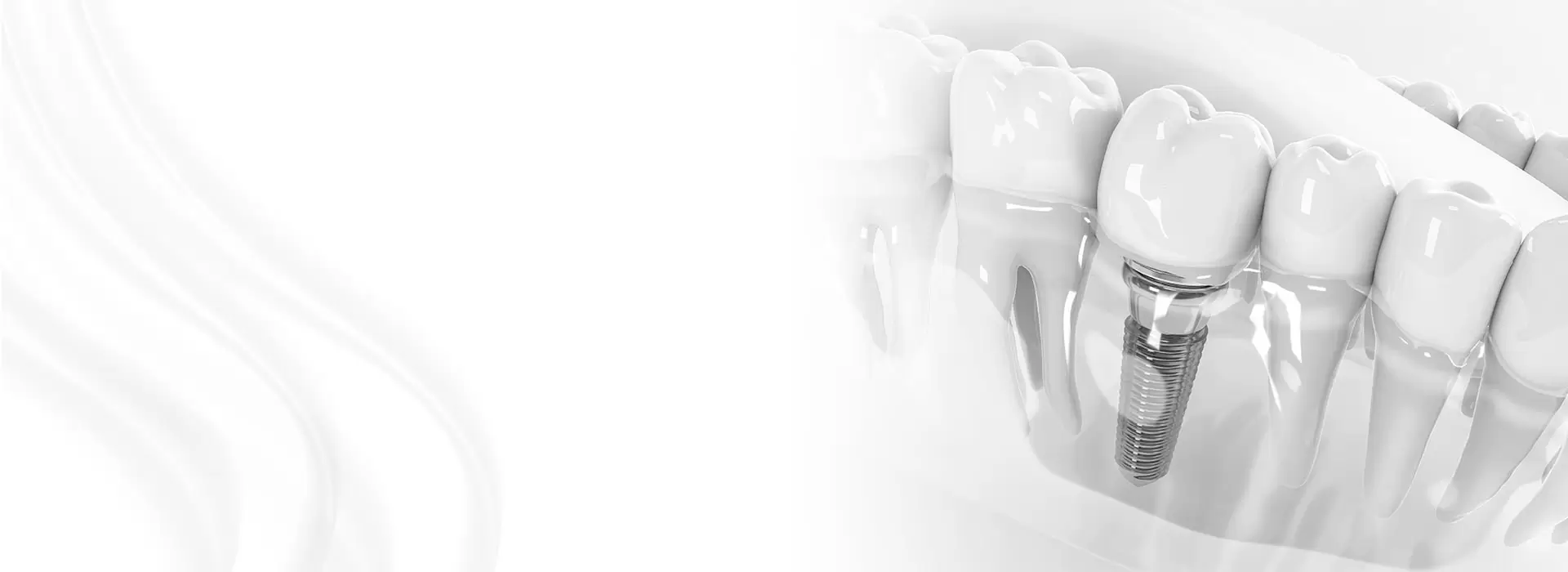
The right material also depends on your needs. A patient with mild clenching may need a different design from someone who has heavily worn teeth or a history of broken restorations. Patients with implants may require careful evaluation of the surrounding teeth and bite, as implants do not respond to pressure in exactly the same way as natural teeth.
Caring For Your Night Guard In Australia
A night guard should be rinsed with cool or lukewarm water after use and cleaned according to your dentist’s instructions. Hot water can distort some materials. A soft toothbrush may be suitable, but abrasive toothpaste can scratch the surface and make the appliance harder to keep clean.
Allow the guard to dry before placing it in a ventilated case. Store it away from pets, children and direct sunlight. Dogs are particularly attracted to the smell of saliva and may chew through a dental appliance quickly. Bring the guard to dental appointments so its fit and condition can be checked.
Australian patients often travel between climates, from humid Brisbane to cooler Melbourne or dry inland areas. Temperature changes and storage conditions can affect some appliances over time, so avoid leaving the guard in a hot car. If it becomes cracked, warped, loose or uncomfortable, stop using it until a dentist has assessed it.
Practical Night Guard Checklist
- Rinse the appliance after every night of use
- Keep it in a clean, ventilated protective case
- Avoid hot water, bleach and abrasive cleaning products
- Arrange a review if the guard feels tight or changes shape
Reasons To Contact Your Dentist
- New jaw pain, headaches or tooth sensitivity
- A crack, sharp edge or visible area of wear
- A restoration that feels loose or unusually high
- Persistent odour or discolouration after cleaning
Treatment Planning, Costs And Follow-Up
The cost of a night guard varies according to its design, manufacturing method and the complexity of your bite. In Australia, adult dental treatment is generally not covered by Medicare, while some private health policies provide benefits through extras cover. Waiting periods, annual limits and item numbers differ between policies, so patients should check directly with their insurer before treatment.
A custom guard may be a modest expense compared with replacing a damaged veneer or crown. The financial value is clearest when the appliance is used consistently and reviewed as recommended. It should form part of a broader maintenance plan that includes professional cleans, examinations and attention to gum health.
Patients travelling from Australia to Turkey for cosmetic dentistry should clarify what follow-up support is available after returning home. Before treatment, ask for written instructions about wearing the guard, cleaning it, managing an adjustment period and contacting the clinic if the bite feels different. TruDent Clinics can discuss these details during a consultation and develop a plan around your restorations and lifestyle.
Making Protection Part Of Your Routine
The most effective night guard is one that is worn consistently and fits comfortably. Use it after brushing and flossing, rather than treating it as an occasional accessory for nights when your jaw feels tense. Consistency matters because grinding is often strongest when you are unaware of it.
Continue attending regular examinations even when your smile looks healthy. The dentist can inspect restoration margins, gum tissue, tooth wear and the appliance itself. If you have aligners, your instructions may differ, so confirm whether the guard should be used during a particular stage of treatment or after active tooth movement is complete.
A protected smile is easier to maintain when everyday habits support it. Choose scissors instead of your teeth for opening packets, avoid chewing ice and mention any changes in jaw comfort at your next appointment. If you have recently completed veneers, crowns, implants or another cosmetic procedure, booking a review with TruDent Clinics can help determine whether a custom night guard is appropriate for you. Schedule a consultation to protect your investment and keep your smile comfortable for years to come.