Porcelain Veneers Durability: How Long Can They Last
Porcelain veneers are thin, custom-made shells bonded to the front of teeth to improve their colour, shape, size, and overall alignment. They can create a balanced smile while preserving much of the natural tooth structure, making them a popular choice for cosmetic dentistry.
With proper planning and consistent care, porcelain veneers commonly last between 10 and 15 years. Some remain attractive and functional for longer, while others may need replacement earlier because of chips, gum changes, tooth grinding, poor bonding, or habits that place excessive force on the teeth.
Durability depends on more than the ceramic material itself. Your bite, oral hygiene, lifestyle, the quality of the preparation, and the experience of the dental team all influence how long your smile makeover remains stable. Understanding these factors helps you protect your investment and choose treatment with realistic expectations.
What Determines Veneer Lifespan
The quality of the porcelain is an important starting point. Modern dental ceramics are designed to resist staining and tolerate normal biting forces, but they are not indestructible. A veneer can chip or fracture if it is exposed to sudden pressure, especially when biting hard objects or using the teeth as tools.
The strength of the bond between the veneer and the tooth also matters. A carefully prepared tooth, accurate digital or traditional impressions, and precise cementation help create a secure fit. Moisture control during bonding is essential because contamination can reduce adhesion and increase the risk of debonding.
Your bite has a significant effect on longevity. If the upper and lower teeth meet unevenly, certain veneers may receive more pressure than others. Patients who clench or grind their teeth during sleep may require a custom night guard to reduce stress on the restorations.
Porcelain Versus Composite Veneers
Porcelain veneers are made in a dental laboratory or with advanced chairside ceramic systems. They usually offer stronger stain resistance, a more translucent appearance, and better long-term colour stability than composite resin veneers. Their smooth surface can also make them easier to keep visually bright.
Composite veneers are applied directly to the tooth and shaped by the dentist. They can be more affordable and may require less tooth preparation, but composite resin is generally more vulnerable to staining, surface wear, and small fractures. It may need polishing or repair more often over time.
The right choice depends on your enamel, bite, cosmetic goals, budget, and expectations. Porcelain is often selected when a patient wants a durable smile transformation with highly stable aesthetics, while composite may suit limited reshaping or a more conservative short-term approach.
Habits That Protect Your Veneers
Daily oral hygiene remains important even when the visible front surfaces are covered. Brush twice a day with a soft-bristled toothbrush and a non-abrasive fluoride toothpaste. Clean carefully along the gumline, where plaque accumulation can contribute to gum inflammation and expose the margins of the restorations.
Floss or use interdental brushes every day to protect the spaces between veneered teeth. Healthy gums provide a better frame for a smile and reduce the risk of recession, which can eventually reveal the junction between the veneer and the natural tooth.
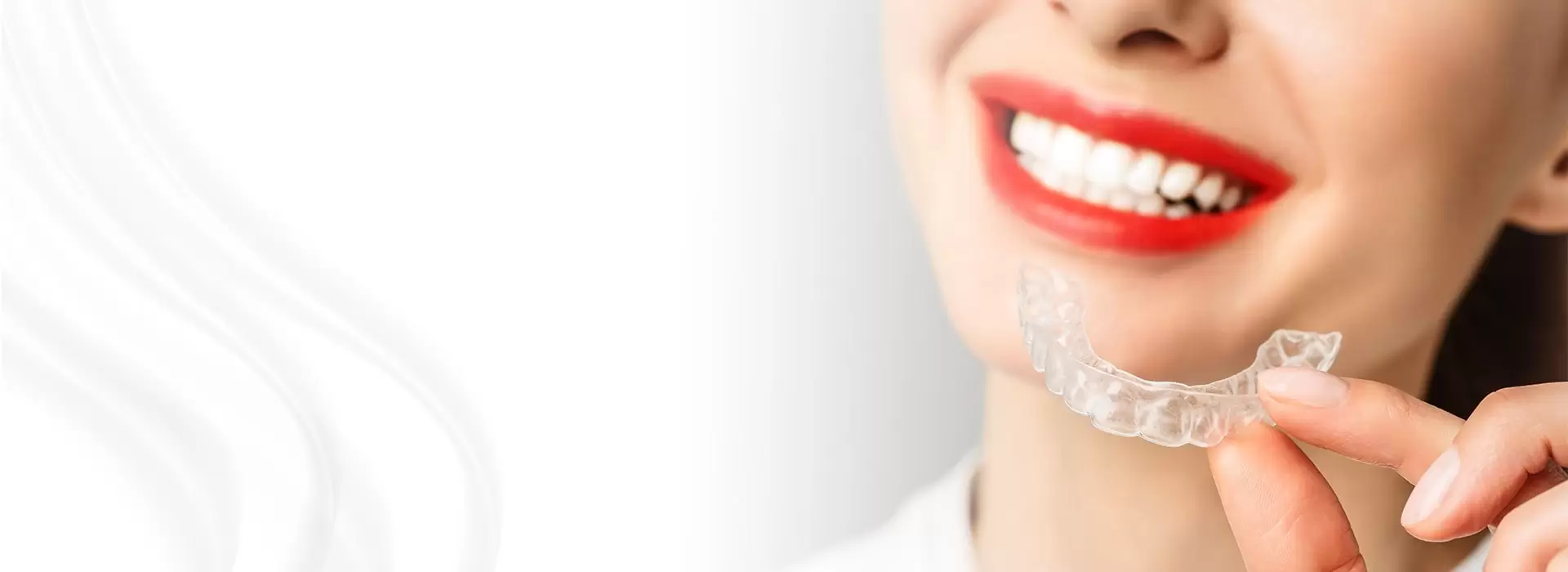
Food and drink do not usually damage porcelain through ordinary consumption, but very hard items can create problems. Avoid chewing ice, hard sweets, pen caps, fingernails, and packaging. If you have recently chosen clear aligners as an alternative or part of a broader smile plan, learn how to clean your invisible aligners so bacteria and odours do not affect your oral health.
Recognising Problems Early
A veneer may need professional attention if it feels loose, catches on floss, develops a sharp edge, changes position, or becomes painful when you bite. A small chip does not always require complete replacement, but the dentist should assess whether the underlying tooth or bonding has been affected.
Sensitivity after treatment can occur temporarily, especially if enamel has been reduced. Persistent sensitivity, discomfort when chewing, or pain that develops later may indicate decay, gum problems, a cracked tooth, or bite pressure beneath the veneer. These symptoms should be assessed rather than managed by simply avoiding the affected side.
Regular dental examinations help identify problems before they become extensive. Your dentist can inspect the margins, check your bite, monitor gum health, and professionally remove deposits that cannot be eliminated through ordinary brushing. A night guard may be recommended when signs of bruxism, such as jaw soreness or flattened teeth, are present.
Comparing Cosmetic Dentistry Options
Every aesthetic treatment has a different balance of durability, preparation, maintenance, and cost. Veneers are designed primarily to improve the visible surfaces of teeth, while crowns cover more of the tooth and are commonly used when substantial structure has been lost. Whitening changes shade but does not correct shape, spacing, or worn edges.
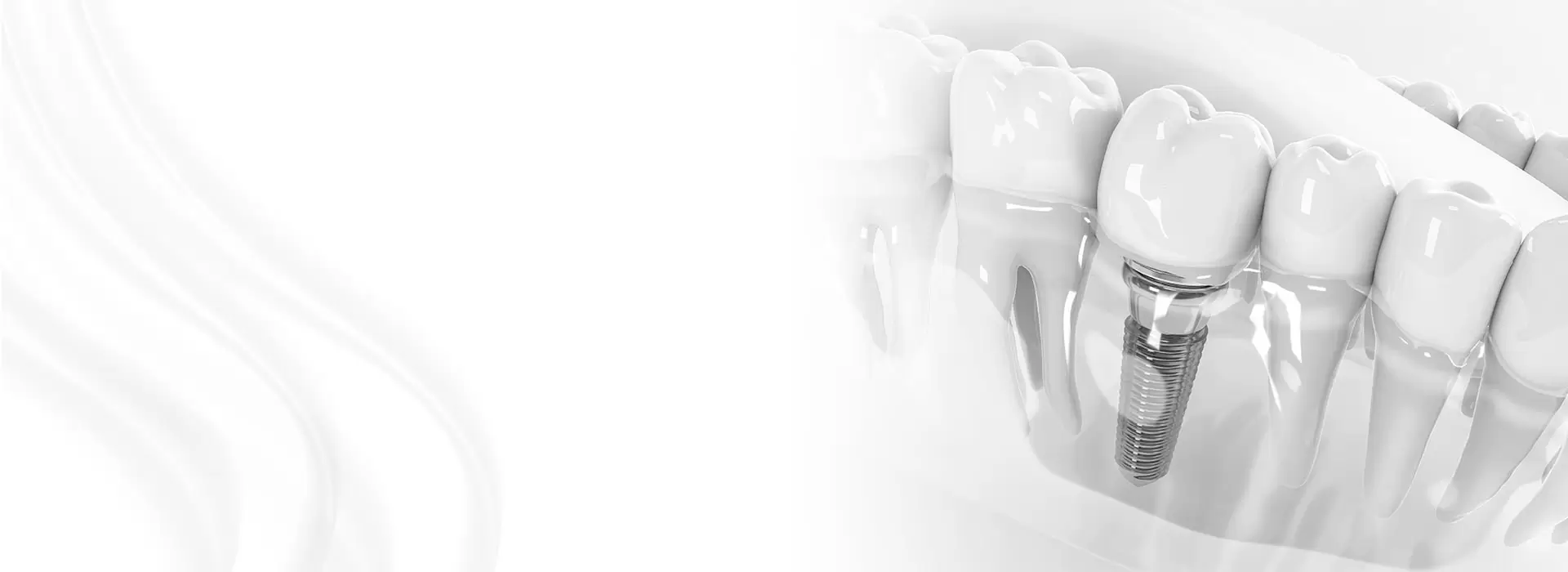
Dental implants replace missing teeth and can provide a long-term foundation, although the crown attached to an implant may eventually require maintenance or replacement. Clear aligners move teeth gradually and may be suitable when alignment is the main concern rather than colour or tooth shape.
| Treatment |
Typical service expectation |
Main strength |
Important consideration |
| Porcelain veneers |
10–15 years or longer with care |
Natural appearance and stain resistance |
Can chip under excessive force |
| Composite veneers |
Around 5–7 years, sometimes longer |
Lower cost and easier repair |
More prone to staining and wear |
| Dental crowns |
Approximately 10–15 years |
Protects a weakened or heavily restored tooth |
Requires more tooth coverage |
| Professional whitening |
Results often last 1–3 years |
Brightens natural enamel without reshaping |
Does not change fillings or veneers |
| Clear aligners |
Treatment-dependent |
Corrects many alignment concerns |
Requires consistent wear and hygiene |
| Implant-supported crowns |
Long-term implant support; crown maintenance varies |
Replaces a missing tooth |
Requires surgery and careful planning |
These figures are general estimates rather than guarantees. A personalised assessment is needed to determine whether veneers, bonding, orthodontic treatment, whitening, crowns, or implants are appropriate for your teeth and goals.
Planning For Long-Term Results
A durable smile begins before the veneers are placed. The dentist should assess cavities, enamel quality, gum health, bite alignment, existing restorations, and any signs of grinding. Active dental disease should be treated first because veneers cannot compensate for untreated decay or unstable gum conditions.
Smile design should consider facial proportions, lip movement, tooth visibility, speech, and the relationship between the proposed shade and your natural teeth. Digital previews or temporary mock-ups may help you evaluate the shape and length before the final ceramic restorations are produced.
A personalised plan also considers whether minimal-preparation veneers are suitable. Although some cases require little or no enamel removal, this is not appropriate for every patient. Trying to place veneers over crowded, protruding, or heavily rotated teeth without adequate planning can compromise the fit and appearance.
A Simple Veneer Care Routine
Good habits are easier to maintain when they are specific and consistent. Use the following routine to support veneer longevity:
- Brush gently twice daily with a soft toothbrush and fluoride toothpaste.
- Clean between the teeth every day, paying attention to the veneer margins.
- Wear a professionally fitted night guard if you grind or clench.
- Avoid biting ice, hard sweets, pens, nails, and non-food objects.
- Attend periodic examinations and professional hygiene appointments.
Do not attempt to smooth a rough edge at home or use abrasive whitening products on the restorations. Porcelain does not respond to bleaching in the same way as natural enamel, and aggressive polishing can alter the surface or damage the margin.
If a veneer becomes loose or breaks, keep any detached piece and contact a dental clinic promptly. Avoid bonding it back with household adhesive, as this can damage the tooth and complicate professional repair. Temporary care should focus on protecting the exposed area until it can be examined.
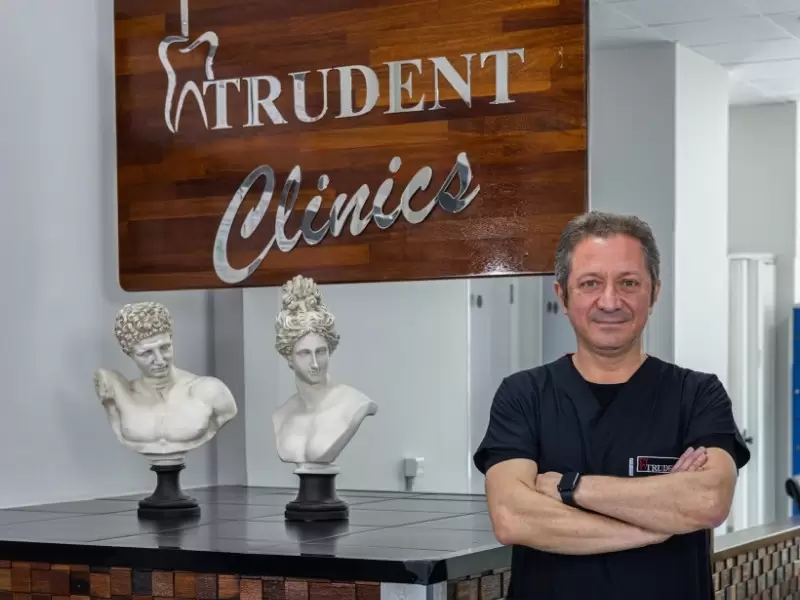
The most reliable way to estimate your own porcelain veneer durability is through an in-person consultation. At TruDent Clinics in Izmir, a dental team can evaluate your teeth, bite, gums, and cosmetic objectives before explaining suitable options and expected maintenance. Schedule a consultation to develop a personalised plan for a healthy, natural-looking smile that is built to last.