The real risks of leaving a missing tooth untreated
Losing a tooth feels like something that can wait. For thousands of Australians each year, the gap appears after a knock on the footy field, a long-standing infection finally requires extraction, or a cracked molar gives up after years of grinding. The immediate pain fades, life gets busy, and replacement feels like an expense that can be postponed.
The challenge is that adult dental care sits mostly outside Medicare. Routine extractions, implants and bridges are not subsidised for the majority of patients, and public dental clinics in states like Queensland and New South Wales often run waiting lists measured in months rather than weeks. Private extras cover helps, but annual limits and waiting periods still leave many patients choosing to delay.
The problem is that the consequences of leaving a gap untreated are slow, often invisible at first, and largely irreversible. Bone, bite, speech and facial structure begin to change within months, and these shifts can affect general health and quality of life far beyond the mouth.
Bone loss beneath the surface
The jawbone relies on the stimulation it receives through tooth roots during chewing. Once a tooth is removed, that stimulation disappears and the bone in that area begins to resorb. In the first twelve months alone, the width of the ridge can shrink by as much as 25%, with additional height loss continuing steadily in the years that follow.
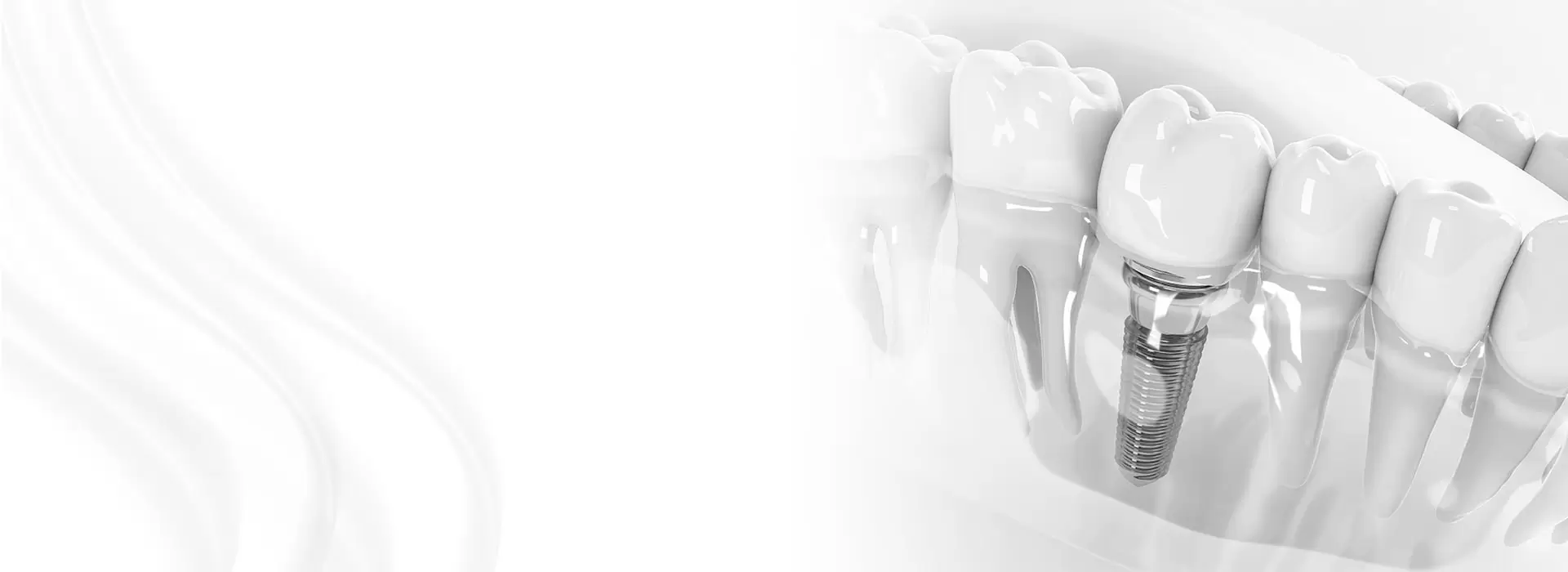
This matters for several practical reasons. As bone volume drops, the gum line flattens and the contours of the face change. Replacement options narrow too: a dental implant needs a certain amount of healthy bone to anchor into, and once that bone is gone, patients may need grafting procedures before an implant can even be placed. In Australia, where a single implant routinely costs between $5,000 and $7,000, delaying treatment can quietly turn a straightforward procedure into a far more involved and expensive one.
Many people are surprised to learn how quickly bone changes after an extraction. Good post-extraction recovery guidance usually includes early conversations about replacement, because the window for preserving bone is narrowest in the first few months.
Drifting teeth and a shifting bite
A gap in the dental arch is not a stable feature. The teeth on either side lean into the empty space, slowly tipping and rotating, while the tooth directly above or below the gap, known as the antagonist, begins to drift outwards in a process dentists call supra-eruption.
Over time these small movements reshape the bite. Chewing surfaces that once met evenly no longer align, which can lead to uneven wear, cracked cusps on neighbouring teeth and strain in the jaw joints. Patients often develop temporomandibular symptoms, including clicking, tenderness and headaches that radiate around the ears.
Cleaning also becomes harder. Teeth that lean into a gap create awkward spaces that trap food and plaque, even for people who are diligent flossers. That trapped debris feeds the bacteria responsible for decay and gum inflammation, which means the original missing tooth can be the starting point for further tooth loss rather than the end of the story.
Chewing, digestion and daily comfort
Teeth are the first stage of digestion. Molars in particular break food down into manageable pieces so the stomach and intestines can extract nutrients efficiently. When one or more molars are missing, people tend to swallow larger chunks, favour soft foods, or chew predominantly on one side of the mouth.
These adaptations have knock-on effects. Poorly chewed food contributes to bloating, acid reflux and reduced nutrient absorption. Australian food culture built around thick steaks, crunchy apples, corn on the cob at summer barbecues and crusty sourdough becomes a source of frustration rather than pleasure. Even everyday rituals like enjoying a flat white can feel awkward when the tongue keeps probing an empty socket.
For active adults, the changes can be subtle but cumulative. Lower intake of fibrous vegetables and proteins affects energy levels, training recovery and long-term health markers in ways that are easy to miss until they show up in blood tests or a general feeling of fatigue that never quite lifts.
Speech changes and facial aesthetics
Teeth play an under-appreciated role in forming certain sounds. The "s", "th", "f" and "v" consonants all rely on precise contact between the tongue, lips and teeth. A visible front-tooth gap can introduce a whistle or lisp that lingers long after the extraction site has healed, while a missing molar can subtly flatten the way words sound, particularly in louder or busier environments.
Facial support is another quiet casualty. Cheekbones and lips are partly held in place by the roots of the teeth and the bone surrounding them. As bone resorbs and teeth drift, the lower face can take on a sunken or aged appearance, with deepened lines around the mouth and a collapse of the profile around the cheeks.
In professional settings across Sydney, Melbourne and Brisbane, where client-facing roles are common, these changes often affect confidence before they affect health. People report smiling less in meetings, covering their mouths when they laugh, or avoiding video calls altogether because they feel self-conscious about the way they look and sound.
Gum disease and wider health risks
An empty socket is a magnet for food debris. Even with careful hygiene, the surrounding gum tissue is harder to keep clean, and inflammation quickly follows. Left untreated, this localised gingivitis can progress to periodontitis, which attacks the bone supporting neighbouring teeth.
Once periodontitis takes hold, the stakes rise. Australian research has linked advanced gum disease to higher rates of cardiovascular disease, poorer glycaemic control in people with diabetes and adverse pregnancy outcomes. While the exact mechanisms are still being studied, the inflammatory pathway is well established, and an untreated gap is a low-grade source of that chronic inflammation.
Upper molar gaps carry an extra risk. The roots of the upper molars sit close to the sinus floor, and when bone resorbs after extraction, the sinus can expand downwards into the space. This can lead to sinus infections, pressure changes and, in some cases, an opening between the mouth and the sinus cavity that requires surgical repair.
Mental wellbeing and long-term quality of life
The visible and invisible effects of a missing tooth feed into how people see themselves. Studies in Australia and overseas consistently show that adults with untreated tooth loss report lower self-esteem, higher rates of social anxiety and a measurable reduction in quality of life. Dating, dining out, public speaking and even catching up with friends can become quietly stressful.
Over time, that stress compounds. People begin to plan their lives around the gap, choosing softer menus, turning down invitations, or speaking less in meetings. The mental load is rarely discussed at the dental chair, but it is one of the strongest motivators when patients eventually decide to seek treatment.
Replacement is rarely as invasive or as drawn out as people fear. Modern implants, bridges and partial dentures are tailored to the patient's bone, bite and budget, and treatment plans can be staged to spread both clinical visits and costs. What matters most is starting the conversation early, while bone, bite and confidence are still easy to preserve.
If you have been living with a gap and want to understand your options, the team at TruDent Clinics in Izmir prepares personalised treatment plans that combine diagnostic imaging, restorative work and cosmetic finishing under one roof. A short consultation is often enough to map out a clear path, including timelines, materials and travel considerations for patients flying in from Australia. Reach out through the website to book your assessment and take the first step before the hidden costs of delay catch up with you.